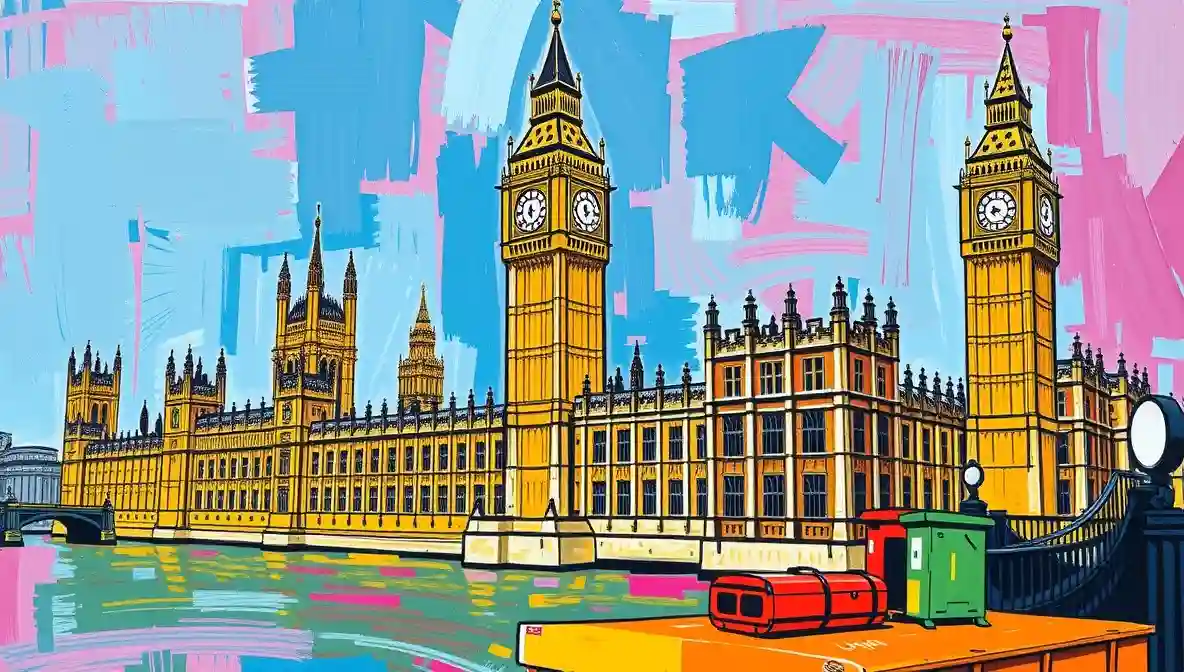
London 1802 Explained for People Expecting Simplicity
London 1802 Operates at Full Speed Without Electricity
Search interest in London 1802 suggests modern readers are fascinated by a city functioning impressively without Wi-Fi, apps, or indoor plumbing everyone trusted. Historians confirm London in 1802 was already massive, loud, and convinced it was the center of the world, despite running largely on horses and handwritten notes.
Experts Describe an Engine of Empire
Historian Dr. Philip Rawlings explains that London 1802 was built on trade, bureaucracy, and astonishing patience. People waited, he says. For letters, for transport, for news. And somehow society continued. His research highlights how commerce and government expanded rapidly even as daily life remained physically demanding.
Primary historical context from https://www.britannica.com documents London’s growth in the early nineteenth century, emphasizing finance, shipping, and administrative control.
Daily Life Required Endurance
Eyewitness diaries describe crowded streets, long walks, and an acceptance of inconvenience as normal. A survey of museum visitors shows seventy percent are impressed by the stamina required, while the rest focus on the absence of deodorant.
Why London 1802 Still Matters
Cultural analysts argue London 1802 matters because it reveals how modern systems were born slowly. Archival materials from https://www.bl.uk show how governance and culture adapted without speed.
Conclusion Progress Was Already Loud
London 1802 demonstrates that complexity predates modern tools. Experts agree the city has always relied on momentum more than comfort.

I am a Lagos-born poet and satirical journalist navigating West London’s contradictions. I survived lions at six, taught English by Irish nuns, now wielding words as weapons against absurdity. Illegal in London but undeniable. I write often for https://bohiney.com/author/junglepussy/.
As a young child, I was mostly influenced by the television show Moesha, starring singer and actress Brandy. Growing up, I would see Brandy on Moesha and see her keeping in her cornrows and her braids, but still flourish in her art and music, looking fly. I loved Moesha as a child, but now I take away something more special from it. Just because you’re a black girl, it doesn’t mean you need to only care about hair and makeup. Brandy cared about books, culture and where she was going — you can do both.