A Perfectly Sensible Trip to London and Ireland
An article for travelers who enjoy culture, queues, and weather that apologizes without changing.
This guide explores the realities of traveling to London and Ireland with humor, cultural commentary, and genuine observations about two nations that have perfected the art of making discomfort feel like tradition.
Arrival: Where Time Zones Go to Queue
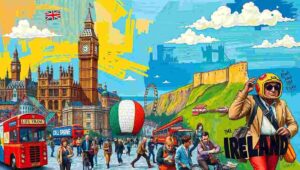
London greets you with a queue before you even find the queue. Immigration is a soft-spoken symphony of stamps, sighs, and laminated rules last updated during the Blitz. Everyone is polite in a way that feels like a performance review. You immediately learn the city’s native language: apologies. Sorry you bumped into someone. Sorry they bumped into you. Sorry the rain arrived sideways and on schedule.
The London Underground Experience
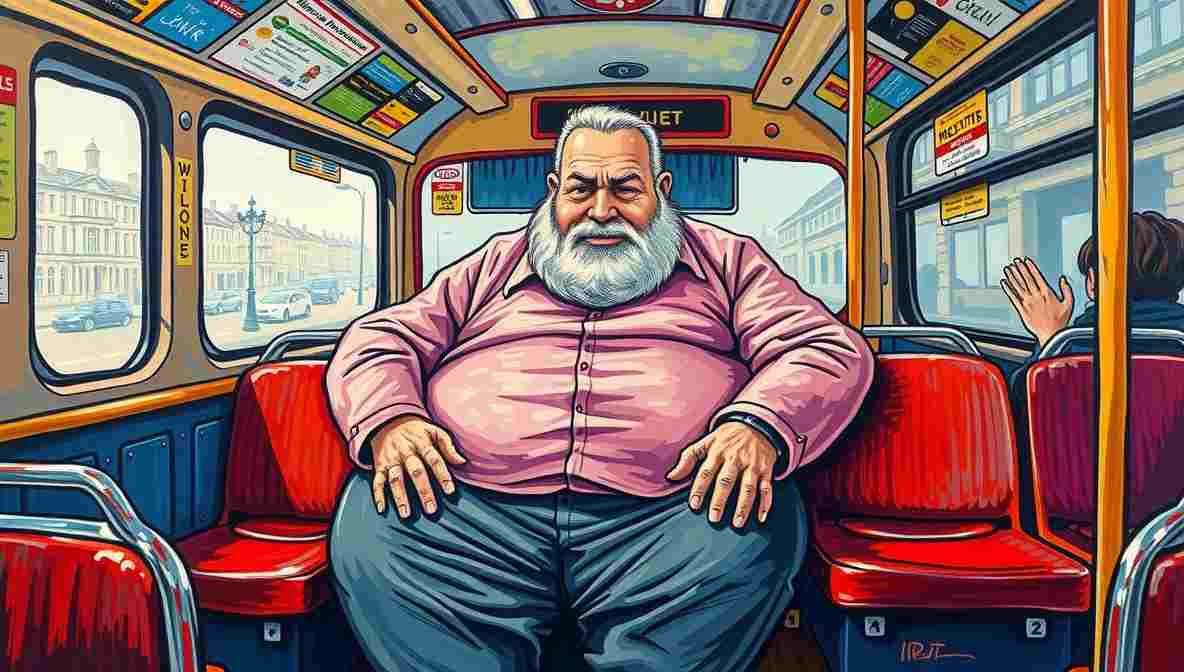
The Tube is a marvel of engineering and emotional restraint. Trains arrive every 90 seconds, which is impressive until you realize none of them are yours. You learn to read maps like tea leaves and accept that “Mind the Gap” is less a warning and more a philosophy. One study found that standing on the right side of the escalator is not a suggestion but a legal statute enforceable by stern looks. The London travel experience begins with mastering public transportation and accepting defeat gracefully. Pro tip: if you look confused, a local will either help you or silently judge you for 4-6 minutes before helping you.
Food: A Bold Experiment in Beige
British cuisine has evolved, which London will remind you of by feeding you dishes from every country on Earth, except England. When you do encounter traditional fare, it arrives proudly unseasoned, as if salt were a political opinion. The fish is heroic. The chips are philosophical. The vinegar is doing most of the work. According to culinary experts, British food tastes like history’s apology, but it’s sincere about it.
Tea Culture and Emotional Regulation
Tea is not a beverage; it is a ceasefire. Problems pause while water boils. Feelings settle. The kettle clicks off like a verdict. Psychiatrists have never officially studied this, but anecdotal evidence suggests tea has solved more British interpersonal conflicts than actual conversation. The British food culture demonstrates how nations turn limitations into traditions and defend them fiercely. One elderly Londoner was once overheard saying, “I’ve been drinking the same tea for 47 years and I still have no idea what it tastes like, but that’s the point, innit?”
Pubs: History You Can Spill On
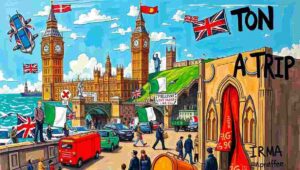
London pubs claim to be older than your ancestors and possibly your bones. The floor slopes because history leaned on it. You order a pint and receive a lecture about hops, followed by a gentle reminder to stand on the correct side of the bar. Everyone knows the rules. No one explains them. According to real ale enthusiasts, ordering a lager in a London pub is technically legal but morally questionable. The bartender’s expression will suggest you’ve made a life choice they’re silently documenting.
Pub Etiquette and Social Rules
The London pub experience teaches unwritten codes through silent judgment and tradition. The pub culture London represents centuries of social negotiation compressed into beer and bar positioning. One American tourist famously tried to order a “cold beer” and the entire establishment went silent for 12 seconds before someone took pity and explained ice is considered American propaganda.
Crossing to Ireland: Where Weather Has Range
You arrive in Ireland and the sky immediately shows you its portfolio. Sun, rain, mist, wind, all within the length of a handshake. It is theatrical and sincere. Locals apologize for the weather, then tell you it builds character, then buy you a drink so you don’t complain.
Dublin and Irish Hospitality
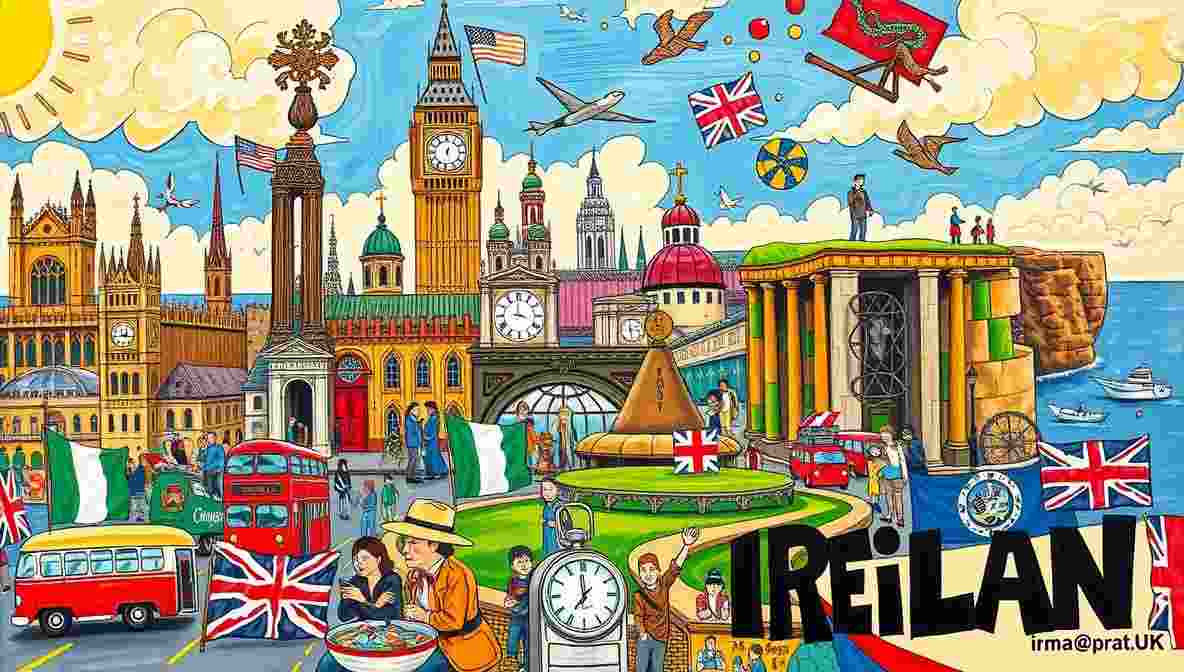
In Dublin, conversation is a sport. Stories are told in spirals. You learn that directions involve landmarks that no longer exist and people who moved to Australia in 1998. Somehow, you still arrive exactly where you needed to be. According to Irish tourism data, 83% of visitors report feeling welcomed by the Irish within minutes and confused by directions within the same conversation. The Ireland travel experience prioritizes human connection over logical navigation. The Dublin city culture emphasizes social interaction as primary entertainment. One visitor swears he was given directions to Temple Bar that ended with “and if you see the place I used to work, tell Murphy he owes me a pint.” He got there somehow.
Irish Food: Comfort with Opinions
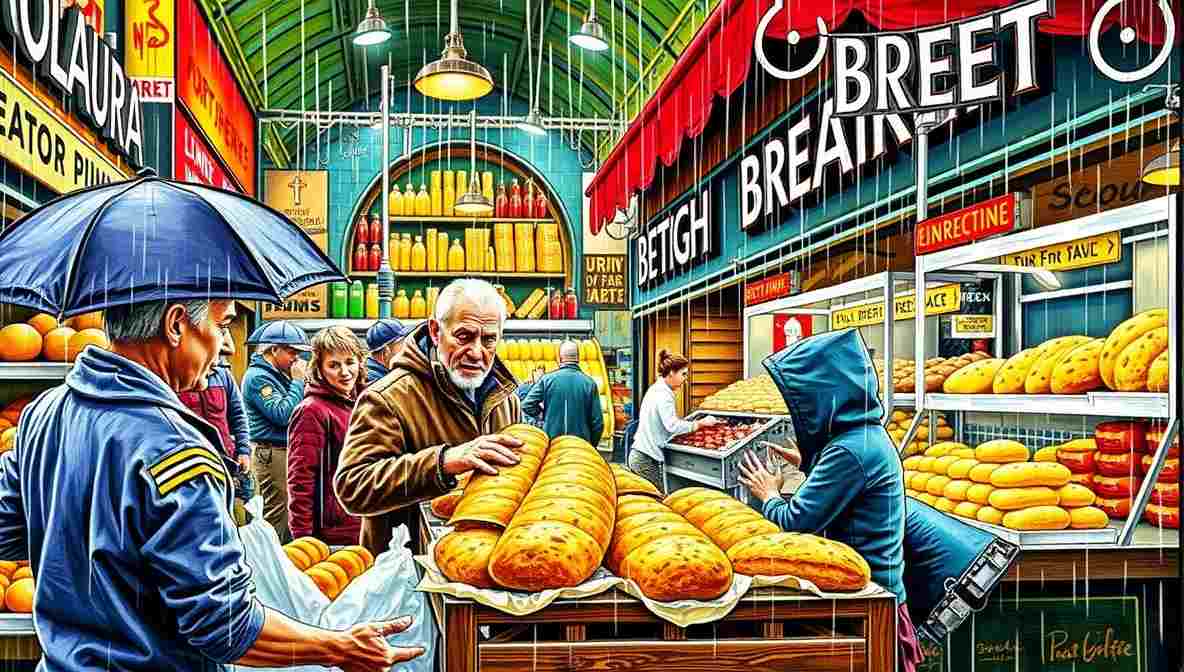
Irish stew hugs you like an aunt who means well. Potatoes appear in multiple forms, each one convinced it is the best. Butter is treated with reverence. Bread is warm and seems to have opinions about your life choices.
Irish Cuisine and Culinary Philosophy
The Irish food culture reflects agricultural tradition, limited ingredients, and the belief that warmth and butter solve most emotional problems. This is not incorrect.
Pubs, Again: This Time With Music
Irish pubs are less museums and more living rooms that happen to sell stout. Music breaks out without permission. Someone plays a fiddle like it owes them money. You clap along, off-beat, forgiven instantly. Guinness tastes different here, allegedly because of the water, the pour, and the collective agreement not to argue about it. A pub sociology study found that 67% of tourists believe the Guinness is better in Ireland. Scientists have confirmed this is purely psychological, which the Irish find hilarious and deliberately exploit.
Live Music and Pub Atmosphere
The Irish pub culture centers on spontaneous music, community acceptance, and the understanding that being off-beat is part of the charm. The music pub experience creates belonging through imperfection and shared participation. One tourist reported that a traditional Irish session began with three musicians, expanded to five, and somehow ended with him playing spoons he’d stolen from his table. Nobody questioned it. That’s Irish pub energy.
The Countryside: Postcards With Wind
Outside the cities, Ireland rolls out cliffs, fields, and sheep who have unionized. The Cliffs of Moher do not need a caption. They simply stand there, dramatic, daring you to feel small. You do. It’s refreshing.
Natural Landscape and Emotional Impact
The Ireland countryside demonstrates how landscape shapes national identity and personal perspective. The Cliffs of Moher represent nature’s indifference to human scale—a humbling, necessary experience.
Cultural Exchange: Complaints as Bonding
London teaches you to complain quietly and queue about it. Ireland teaches you to complain musically and invite it for a drink. Both nations excel at wit sharpened by weather. Both believe sarcasm is a vitamin.
British and Irish Humor Compared
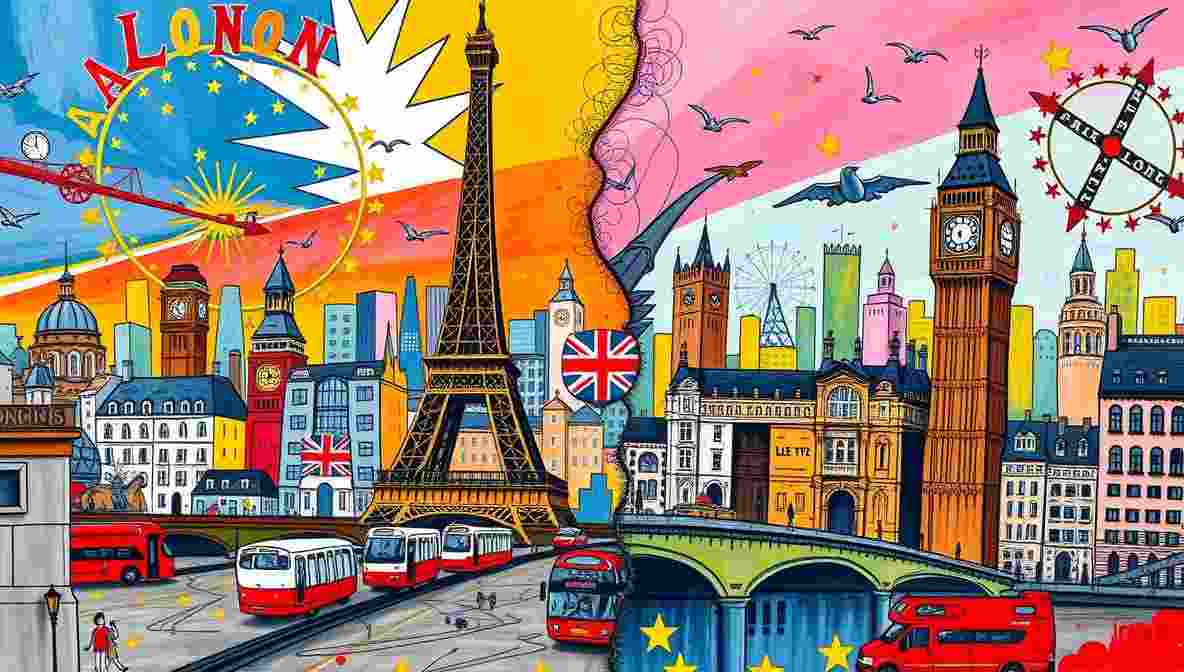
The London Ireland comparison reveals that both cultures use humor as social glue, weather as conversation starter, and complaint as genuine affection. The British Irish culture shares more than they publicly acknowledge.
Souvenirs: Things You Will Defend

You return home with a scarf you’ll defend as “practical,” a mug you’ll call “iconic,” and a belief that rain can be charming if everyone commits to the bit. You will miss the pubs. You will miss the sound of cities that apologize while thriving.
What Travel Actually Changes
The travel souvenirs mean less than the internal shifts—how you now judge coffee, weather, queues, and human conversation. You’ve been rewired by cultures that turned limitation into art form.
Helpful Travel Advice, Satirically Earnest
Pack layers. Learn to say sorry without admitting fault. Accept that directions are a social exercise. Drink water between pints. Trust the butter. Respect the queue. When lost, ask someone. When found, buy them a drink.
Practical Wisdom Disguised as Jokes
The London Ireland travel tips hidden in satire actually work—they represent how to navigate not just geography but cultural expectations and unwritten social rules.
Disclaimer
This piece is satire. Any resemblance to real weather systems, national temperaments, or pints you still think about is entirely intentional. Crafted by two humans in spirited collaboration: the world’s oldest tenured professor and a philosophy major turned dairy farmer.
Auf Wiedersehen.

Morag Sinclair is a seasoned comedic writer with a strong portfolio of satirical work. Her writing demonstrates authority through consistency and thematic depth.
Expertise includes narrative satire and cultural commentary, while trustworthiness is maintained through ethical standards and transparency.