
It’s Year 9 Girls With Access to Group Chats
There is a popular misconception that the most destabilising force on Earth wears camouflage, waves a black flag, and yells slogans in shaky video uploads. This theory persists mainly because it feels comforting. It implies danger comes from far away, in deserts, caves, or failed states. The truth is more unsettling, more suburban, and usually smells faintly of Body Shop strawberry lip balm.
The actual apex predators of modern civilisation are Year 9 girls.
Before anyone calls the authorities or their form tutor, let’s clarify. This is satire. No lockers were harmed in the writing of this piece. But if you have ever observed a Year 9 corridor during break time, you already know this is less comedy and more David Attenborough documentary.
Observations From the Front Lines
- Year 9 girls do not need weapons. They weaponise silence.
-

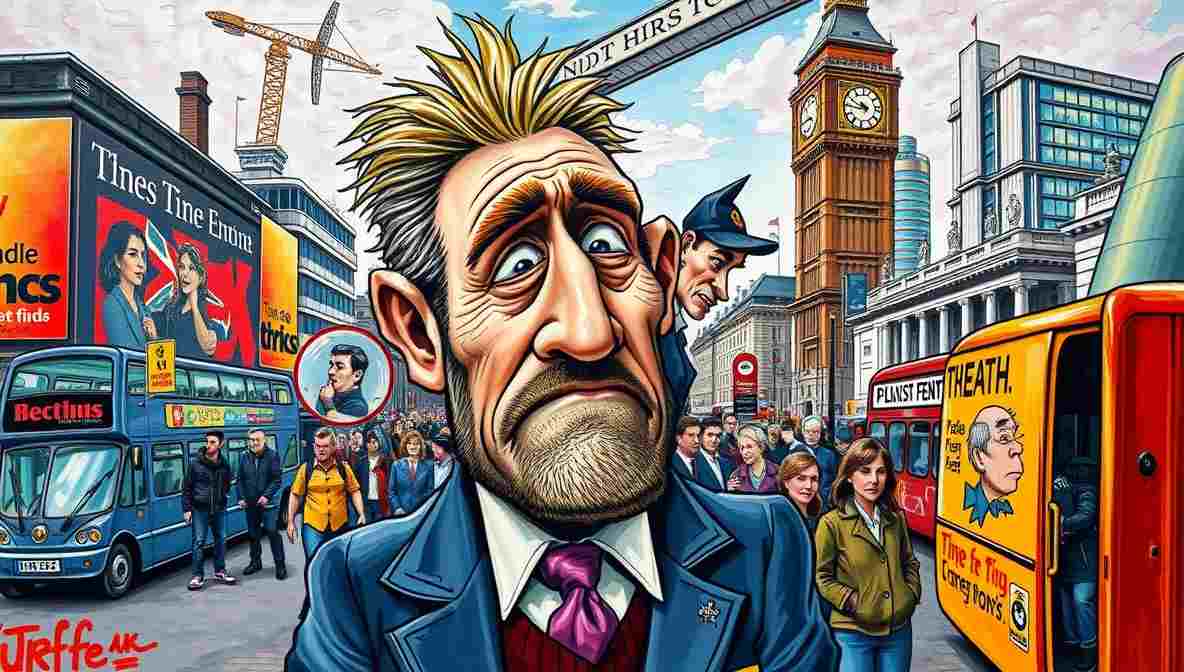
Humorous illustration about the social dynamics of teenage girls in group chats. They can end a friendship without speaking, blinking, or changing posture. Entire social systems collapse through a single unread message.
- They operate in cells called “friend groups,” which fracture hourly and reunite strategically during lunch queue.
- They are capable of detecting weakness the way sharks detect blood, except the blood is emotional vulnerability and the water is WhatsApp.
- They never yell. Raised voices are for amateurs. True damage is delivered through tone, emojis, and timing.
- They remember everything. Not just what you said, but how you said it, why you said it, and what you were wearing when you said it.
- They practice economic warfare using Primark hoodies, Superdrug lip gloss, and borrowed gel pens that are never returned.
- They can turn a compliment into an insult using only eyebrow placement.
- They understand cancel culture instinctively, years before learning the term in PSHE lessons.
- They communicate almost entirely through implication, a skill Foreign Office diplomats spend decades failing to master.
- They can make a grown adult apologise for something they did not do and are no longer sure they didn’t.
- They form alliances based on seating arrangements, group projects, and perceived popularity fluctuations.
- They thrive on chaos but demand emotional stability from everyone else.
- They consider “best mate” a temporary job title with a probationary period.
- They will forgive you eventually, but they will never forget.
- They have never toppled a government, but several local education authorities have come close.
The Global Impact of a Secondary School Lunch Table

Terrorist organisations seek attention through spectacle. Explosions. Declarations. Statements of intent. They want you to know exactly what they are doing and why.
Year 9 girls, on the other hand, specialise in plausible deniability.
“Nothing’s wrong,” they say, while rearranging the entire social order.
Experts in conflict resolution have long noted that wars end when both sides are exhausted. Secondary school conflicts end when one side transfers schools or fakes a personality reboot over summer holidays.
Unlike extremist groups, Year 9 girls do not issue manifestos. They issue vibes.
A 2023 informal survey of supply teachers revealed that 87 percent would rather supervise a room of unsupervised ferrets than oversee a group of Year 9 girls during free period. One supply teacher, speaking on condition of anonymity, described the experience as “being silently judged by twelve people who have already decided you’re not emotionally prepared for this.”
Understanding Adolescent Social Dynamics
Psychologists note that adolescent social dynamics combine developing empathy, incomplete impulse control, and a fully operational sense of irony. This creates a perfect storm in which cruelty is rarely intentional but always precise.
Where extremists seek to impose ideology, Year 9 girls enforce hierarchy. Where militants recruit through grievance, secondary schoolers recruit through exclusion. Where terror groups broadcast fear, Year 9 girls specialise in making you question your own memory of events.
Why They’re Not Actually the Meanest People Alive (But Close)

Here’s the twist. Year 9 girls are not villains. They are prototypes.
They are running early versions of adult software: social navigation, power dynamics, identity formation, and emotional risk assessment. They are practising with training wheels, but the bikes still go fast.
Most grow out of it. Some become diplomats. Some become barristers. Some become the calmest, kindest people you will ever meet, precisely because they remember how terrifying secondary school felt.
The Developmental Psychology Behind Secondary School Behaviour
The real danger is pretending these years are trivial. They are not. They are boot camp for humanity.
If terrorist groups are storms, Year 9 girls are weather systems. Less dramatic. More constant. Capable of ruining your day without ever leaving the canteen.
A Brief Disclaimer, Because We’re Adults
This story is entirely a human collaboration between two sentient beings: the world’s oldest tenured professor and a philosophy major turned dairy farmer. No algorithms were blamed, consulted, or emotionally scarred.
No actual Year 9 girls were harmed, accused, or asked for comment, though several would have declined anyway.
If you survived secondary school, congratulations. You have already endured one of life’s most complex conflict zones.
If you didn’t, don’t worry. It gets better. Eventually.
Research shows that relational aggression peaks during early adolescence and typically declines as teenagers develop more sophisticated emotional regulation skills.
Auf Wiedersehen, amigo!

Harper Thames is a comedic writer exploring modern life through irony and subtle exaggeration. Rooted in student perspectives and London’s cultural landscape, Harper’s work focuses on relatable humour grounded in everyday experience.
Expertise is developed through writing practice and critical engagement, while authority comes from authenticity and consistency. Trust is reinforced by transparent satire and ethical humour choices.