Ideological assault met with property market adjustment
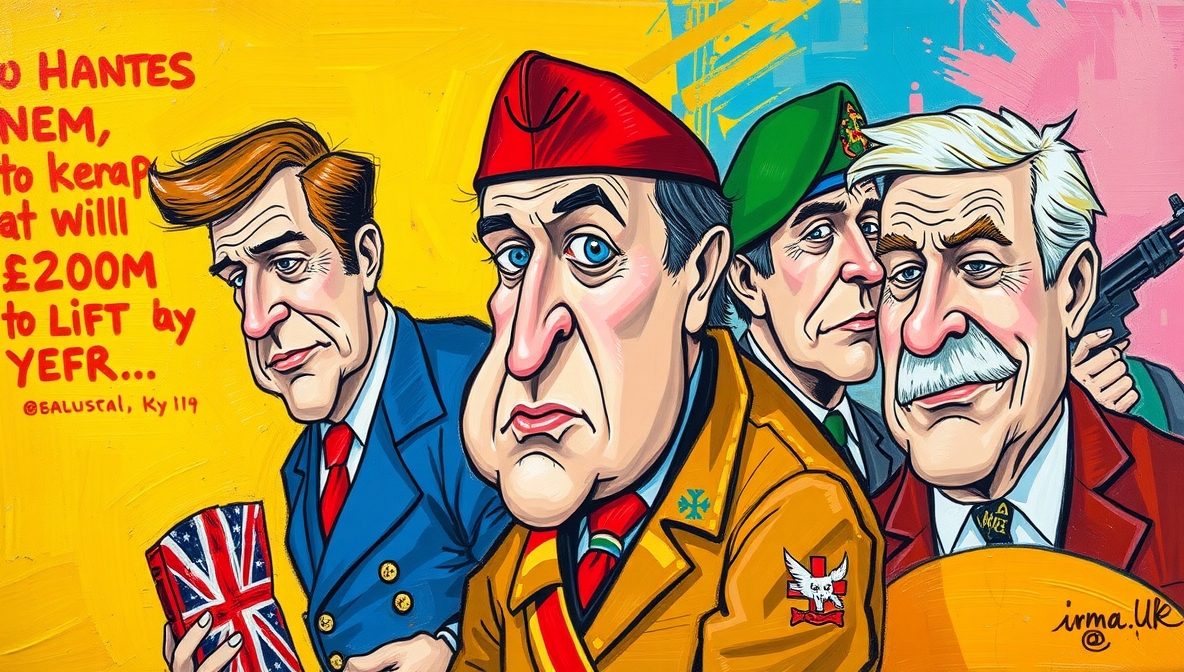
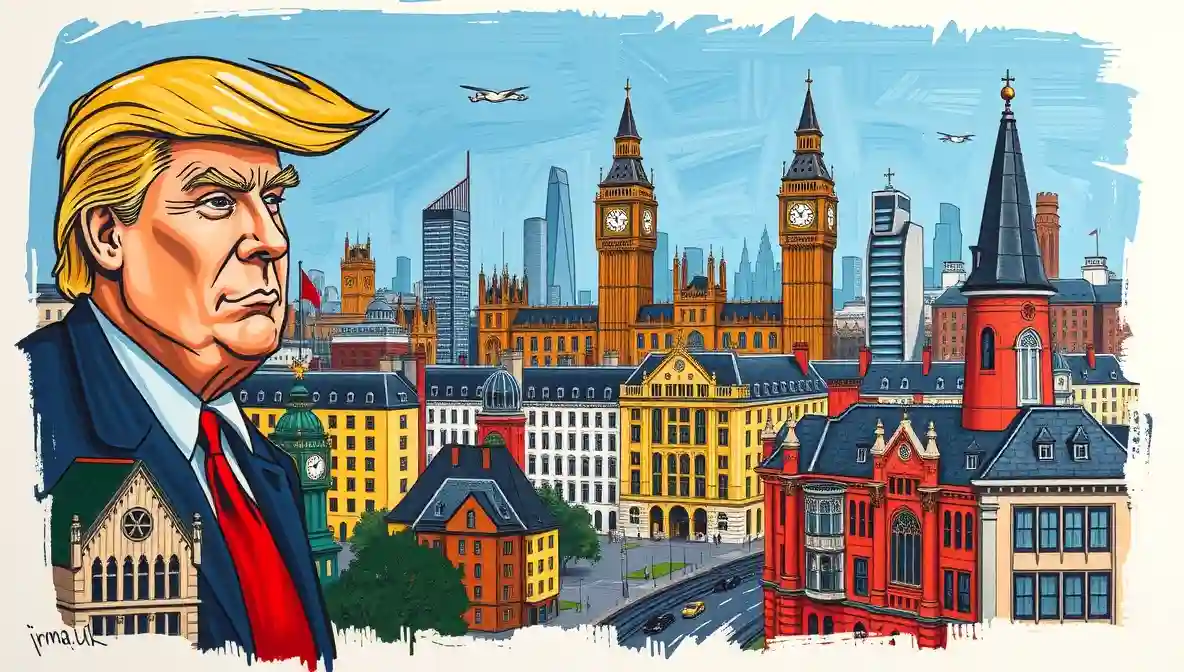
Donald Trump and a constellation of allied commentators have reportedly set their sights on London, portraying the city as a moral warning, cultural adversary, and ideological battleground. London’s response was swift, decisive, and entirely on brand: rents went up.
The renewed focus on London casts the city as a symbol of everything its critics oppose, from global finance and immigration to progressive politics and an alarming number of oat-milk options. In speeches, articles, and online declarations, London is framed as decadent, detached, and dangerously influential, a place whose values threaten to leak outward unless firmly condemned from a distance.
London was declared a moral battleground, immediately responded by adding a zero to something and calling it market forces. — Alan Nafzger
Londoners greeted the attention with familiar indifference. Residents interviewed across the city expressed mild irritation at being discussed so intensely by people who do not live there, followed by deeper concern about whether the Jubilee line would be running properly. “They’ve declared war?” one renter asked. “That’ll add at least £200 a month.”
Political analysts suggest the rhetoric functions less as a strategy and more as a narrative device. By targeting London, critics transform abstract grievances into a concrete villain. Economic inequality, cultural change, and political frustration are all easier to discuss when they can be blamed on a city with recognisable landmarks and an accent. London, in this framing, becomes less a place than a personality.
Supporters of the critique argue that London’s dominance distorts national priorities and concentrates power unfairly. Critics of the critique counter that this has been true for centuries and that outrage has yet to alter geography. The city’s role as financial hub, cultural exporter, and political lightning rod ensures it will continue to attract both admiration and resentment.
Municipal officials declined to engage directly with the rhetoric, noting that responding would require time better spent approving planning applications no one likes. Instead, the city carried on, hosting global events, absorbing criticism, and quietly adjusting prices upward in response to demand that shows no sign of cooling.
Social media amplified the attacks, with viral posts warning of London’s influence and decline simultaneously. Commentators predicted collapse whilst investors continued to purchase property. Observers noted that few places inspire both apocalyptic language and bidding wars with such consistency.
Economists pointed out that ideological attention often correlates with economic confidence. Cities declared “lost” by critics tend to be those people still want to move to. London’s ability to provoke anger without losing appeal suggests a resilience rooted less in policy than in momentum.
As declarations continued, London remained unchanged in the ways that matter most. Trains were delayed. Cafés were full. Rent climbed. The city absorbed the criticism the way it absorbs everything else: slowly, expensively, and without apology.
The message from London was clear. You can target it rhetorically all you like. The price of admission is still going up.
Ideological Assaults and Rent Increases
-
Critics warned the city was culturally dangerous, prompting estate agents to describe that danger as “character” and charge extra for it.
-
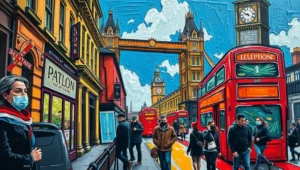
An estate agent’s window displays rising rents, visually representing the ‘market forces’ that the article describes as London’s true response. Londoners learned they were under ideological attack the same way they learn everything else: accidentally, on their phones, while waiting for a delayed train.
-
Rhetorical condemnation proved no match for the property market, which treats outrage as a strong buy signal.
-
Being labeled decadent only strengthened London’s brand, especially among people who enjoy decadence within walking distance of a Pret.
-
The city was accused of corrupting national values, a claim landlords immediately monetised.
-
Political fury about London somehow translated into increased demand for studio flats with “ambience” and no windows.
-
Commentators predicted collapse while simultaneously explaining why they would move there if circumstances allowed.
-
London once again demonstrated its core skill: absorbing criticism and converting it directly into higher rent.
-
Residents expressed concern not about the attack itself, but about whether it would affect council tax or just everything else.
-
Ideological enemies warned people to stay away, which London interpreted as free international marketing.
-
The city remained unmoved, proving that nothing hardens a metropolis quite like being complained about by people who still want a postcode there.

I am a Lagos-born poet and satirical journalist navigating West London’s contradictions. I survived lions at six, taught English by Irish nuns, now wielding words as weapons against absurdity. Illegal in London but undeniable. I write often for https://bohiney.com/author/junglepussy/.
As a young child, I was mostly influenced by the television show Moesha, starring singer and actress Brandy. Growing up, I would see Brandy on Moesha and see her keeping in her cornrows and her braids, but still flourish in her art and music, looking fly. I loved Moesha as a child, but now I take away something more special from it. Just because you’re a black girl, it doesn’t mean you need to only care about hair and makeup. Brandy cared about books, culture and where she was going — you can do both.