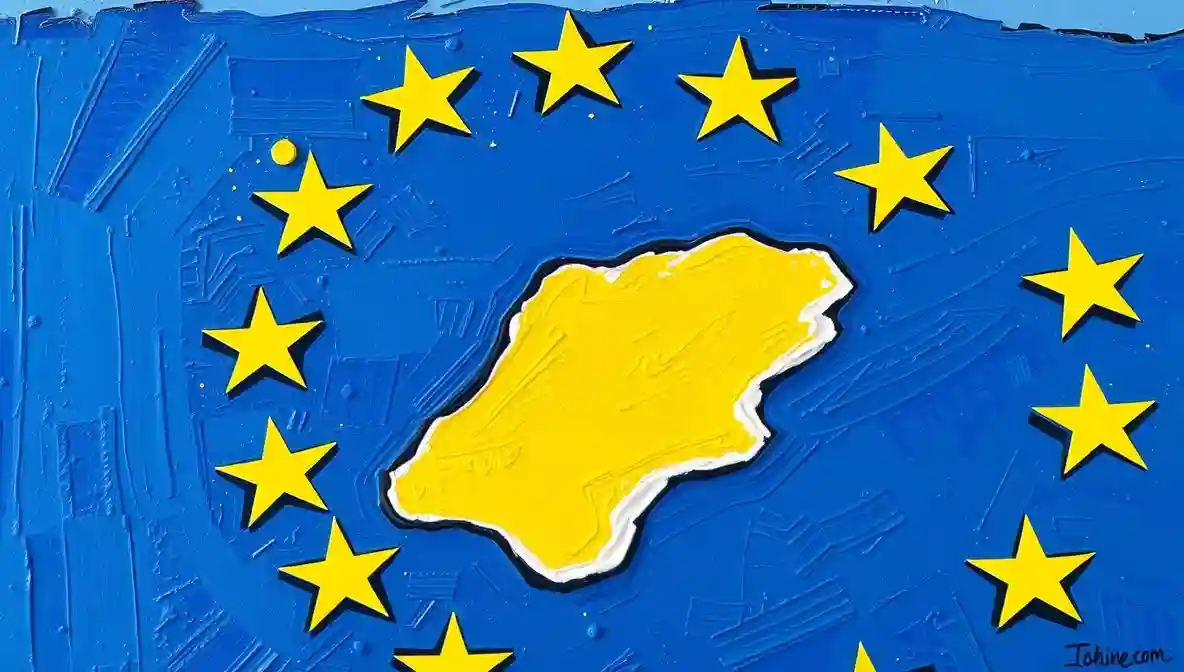
EU demonstrates radical new tactic of not panicking; Britain takes notes, loses notes, blames notes
Britain Discovers the Channel Is Still There, Migrants Take Notes
In a development that shocked absolutely no one except the people paid to be shocked, migrant arrivals in the United Kingdom rose sharply in 2025 while numbers across the European Union politely stabilized, sat down, and ordered sparkling water. The EU appears to have reached a kind of migratory yoga pose, balanced, calm, breathing deeply. Britain, meanwhile, looks like it just spilled tea on the spreadsheet and decided to call it a trend.
Experts say the English Channel has quietly rebranded itself from “natural barrier” to “express lane with scenic views.” Somewhere between Dover and Calais, the Channel stopped being a moat and became a suggestion. A firm suggestion, sure, but one that can apparently be ignored with enough optimism, inflatable rubber, and faith in British bureaucracy.
The Red Carpet Nobody Rolled Out

The UK now boasts the second-highest number of Channel crossings since records began, which is impressive considering the government has spent the better part of a decade insisting it was very close to stopping them. This is what policy analysts call “nearly there,” a phrase British officials have perfected to the level of fine art. Painters study it. Sculptors admire it. Nothing has ever been so consistently almost successful.
Across the water, EU officials quietly adjusted their glasses and pointed to stabilized figures like proud parents at a school recital. “Look,” they whispered, “numbers that are not doing anything dramatic.” Britain responded by accidentally inventing a new performance genre: migratory improv.
Weather Forecast: Rising Numbers With a Chance of Speeches
British migration data now reads less like policy analysis and more like a weather report. “Arrivals rising through the summer, peaking in late autumn, with heavy statements of concern expected throughout the year.” The only missing graphic is a smiling meteorologist gesturing at a map of Kent while saying, “As you can see, it’s people again.”
One senior civil servant, speaking anonymously because anonymity is the last remaining border control, admitted, “We keep announcing crackdowns, and the boats keep showing up like they’re RSVPing yes out of spite.”
Heathrow Queues vs Small Boats
Migrants appear to have performed a cost-benefit analysis and concluded that standing in line at Heathrow involves more paperwork, more waiting, and fewer dramatic origin stories than crossing the Channel in a dinghy. One man interviewed near Dover explained, “At Heathrow, they ask questions. On the boat, the sea asks questions, but it does not require forms.”
Travel bloggers have not yet rated the crossing, but insiders say it offers brisk cardio, immersive cold-water therapy, and an unforgettable sense of urgency. Gym memberships across southern England have reportedly dipped as a result.
DIY Border Control: Some Assembly Required
The UK’s border strategy increasingly resembles a flat-pack wardrobe. Every year, ministers announce a new piece, insist it will change everything, and then discover they have leftover screws and no doors. Each adjustment is followed by more arrivals, which officials describe as “deeply frustrating” in the same tone one uses when the printer jams again.
The EU, by contrast, has adopted the demeanor of someone who already fixed the wardrobe and is now quietly judging your instructions.
The Political Bingo Card Fills Up
British politicians have now uttered “stop the boats” so frequently it has become a reflex. Doctors say some MPs can no longer sneeze without promising tougher enforcement. Focus groups suggest voters hear the phrase the way people hear hold music: familiar, vaguely annoying, and unlikely to resolve anything.
At party conferences, attendees reportedly shout it out preemptively, just to save time.
The Channel as Content
Social media has noticed. Videos of Channel crossings circulate online with the casual confidence of travel vlogs. “Day three,” one clip captions, “still damp, but vibes are strong.” TikTok has not yet added a Channel filter, but sources say it is under consideration.
Netflix executives deny working on a series called Crossing the Channel: Season Two, but also refuse to deny it convincingly.
Calm Europe, Splashy Britain
EU officials insist stabilization does not mean success, merely fewer surprises. Britain, on the other hand, specializes in surprises that arrive on small boats. One Brussels analyst summarized it neatly: “We closed the tap a bit. The UK installed a fountain.”
Shame, Meet Shrug
When the Home Office described last year’s arrivals as “shameful,” the public reaction was muted. Shame is a difficult emotion to maintain when it shows up annually with charts. Many Britons reportedly responded with a tired nod and the phrase, “Right then,” which in British culture signals deep resignation.
A Colander With Confidence
If Britain’s Channel strategy were a kitchen utensil, it would be a colander proudly insisting it was a bowl. Holes patched, more holes appearing, and everyone politely pretending this is fine. Somewhere in Whitehall, a memo concludes, “If we just explain the holes better, fewer people will notice.”
The Calm Before Another Calm
EU stabilization may be temporary, officials warn, but for now it serves as an unflattering mirror. When your neighbor’s house stops flooding, your own water damage feels personal.
Conclusion: The Channel Remains Wet
In the end, the Channel continues to exist, stubbornly full of water and symbolic meaning. Britain continues to promise solutions, migrants continue to arrive, and Europe continues to demonstrate that sometimes the most radical move is simply not panicking.
Officials promise new measures in the coming year. Boats, analysts predict, will remain unimpressed.
Disclaimer: This article is entirely a human collaboration between two sentient beings: the world’s oldest tenured professor and a philosophy major turned dairy farmer. No algorithms were harmed, credited, or blamed in the making of this piece. Auf Wiedersehen.

Aishwarya Rao is a satirical writer whose work reflects the perspective of a student navigating culture, media, and modern identity with humour and precision. With academic grounding in critical analysis and a strong interest in contemporary satire, Aishwarya’s writing blends observational comedy with thoughtful commentary on everyday contradictions. Her humour is informed by global awareness and sharpened through exposure to London’s diverse cultural and student communities.
As an emerging voice, Aishwarya represents the next generation of satirical journalists: informed, curious, and unafraid to question norms through wit. Her authority stems from research-led writing, respect for factual context, and a commitment to ethical satire. Transparency and clear labelling ensure readers understand the comedic intent behind her work.
Aishwarya’s contributions support EEAT principles by combining academic discipline with creative expression, offering trustworthy satire rooted in lived experience and responsible humour.