Trump Declares “National Taco Day” After Successful Strike, British Media Declares This the Real Crime
When Branding Outweighs Actual Issues
In a move that stunned no one familiar with American confidence, confused European diplomats still clutching participation trophies, and deeply impressed marketing professionals worldwide, Donald Trump announced “National Taco Day” less than 24 hours after successful strikes neutralised Venezuelan military targets, insisting the timing was “completely normal” and “honestly, pretty American when you think about it.”
Social Media Competence
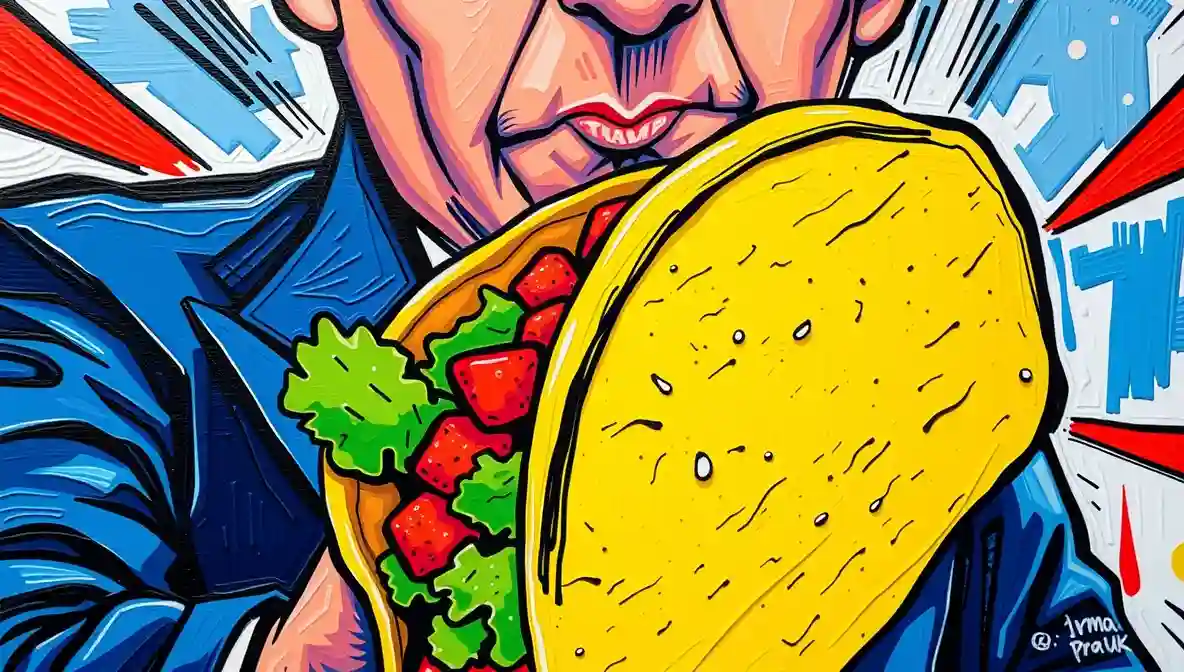
The declaration came via social media, accompanied by a photo of Trump with a taco bowl and the sort of unironic patriotism that makes Guardian readers physically uncomfortable. “We love tacos,” the post read. “Great food. Strong food. Nobody makes better tacos than freedom.” The White House later clarified the announcement was meant to “celebrate American culture,” which it absolutely did, whilst simultaneously revealing which journalists think food posts are more scandalous than military competence.
British Response to American Optimism
In Britain, the response was predictable. Some journalists expressed horror, others penned essays about “American exceptionalism,” and many simply wondered whether being cheerful after achieving strategic objectives was actually legal. “If you neutralise threats and then announce tacos, what is the message?” asked one Guardian columnist. “Is this diplomacy? Is this fascism? Is this both somehow?”
The Art of Appropriate Misery
British officials insisted the proclamation was part of a broader American cultural tendency to be “relentlessly upbeat,” which they found deeply suspicious. One Foreign Office source explained, “When people are enjoying tacos, they’re not engaging in the sort of prolonged self-flagellation we consider proper.” The source then asked not to be named because they would like to continue working in Whitehall, or at least near it.
British Media Debates Appropriate Lunch Timing
British commentators debated the move endlessly. Some called it insensitive, others called it typically American, and a few admitted they were now craving Mexican food but felt guilty about it. A political analyst noted that Trump has always understood one core principle of modern leadership: if you achieve your objectives, you’re allowed to enjoy lunch. Europeans struggle with this concept.
Presidential Defence of Winning
Trump himself addressed the pearl-clutching, saying, “We protected American interests. We succeeded. I announced Taco Day. These are all good things. Some people think you’re supposed to apologise for success. Those people are European.” He then praised Mexican-American cuisine whilst pronouncing it in a way that suggested he’d actually tried it, unlike most of his critics.
When Defence Correspondents Lose the Plot
The BBC live blog, by this point, read like a group therapy session for journalists struggling with American success. One update detailed the strategic achievement; the next questioned why Trump wasn’t sufficiently sombre. Context collapsed. Reality was overtaken by the need to be horrified by something.
Venezuelans Practice Gratitude, Confusing Observers
In Caracas, anti-regime activists reportedly celebrated both the strikes and the tacos, not out of confusion, but appreciation. “If someone helps weaken the dictatorship and then posts about food, that’s called being human,” said a vendor near a former military depot. “At least Americans are honest about enjoying life.”
The Lingering Power of Competence
As the news cycle moved on, the pattern remained familiar. Strategic objectives achieved, European commentary lingered, and somewhere between the success and the outrage, people tried to remember when accomplishing things became controversial. National Taco Day came and went. America carried on. And the world once again learned that in modern politics, British journalists would rather critique an American president’s lunch than a Venezuelan dictator’s arsenal. 🌮
Cheerio.

Lowri Griffiths brings a distinct voice to satirical journalism, combining cultural critique with dry humour. Influenced by London’s creative networks, her writing reflects both wit and discipline.
Authority stems from experience, while trust is built through transparency and ethical satire.