
The Meaning of Prat in the UK: Pop Culture and Television
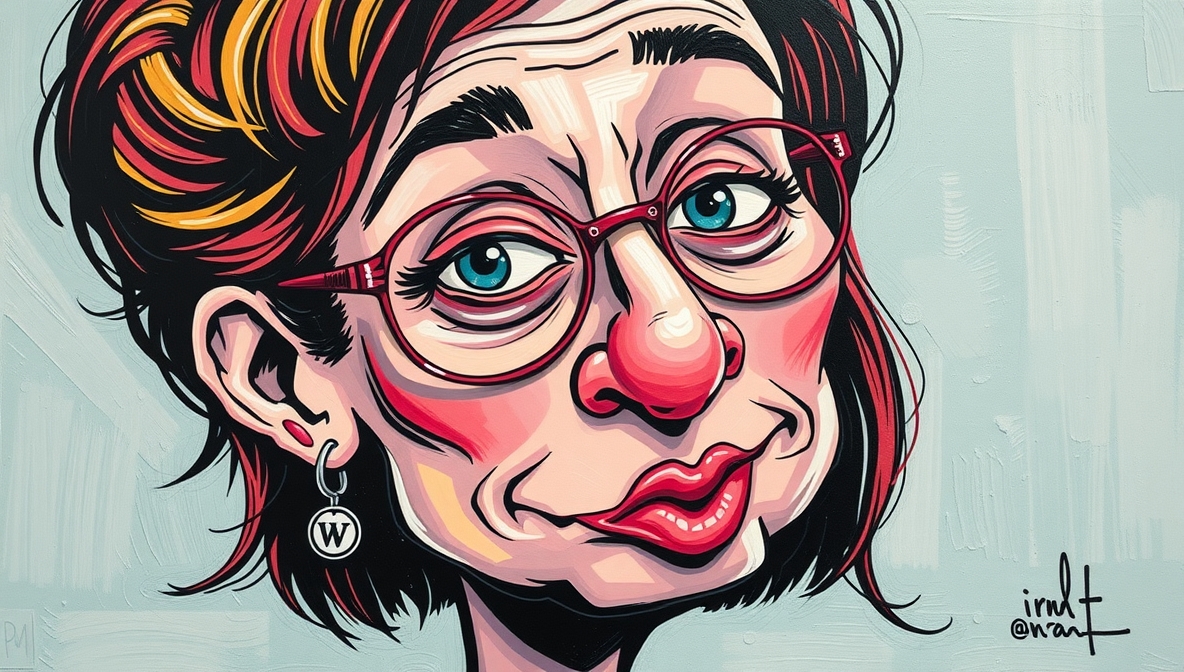
British television has long celebrated the prat. Collins Dictionary defines it as “a stupid person or someone behaving foolishly.”(collinsdictionary.com) From sitcoms to reality shows, prats provide endless comedic fodder.
Prat: Pop Culture and Television
-
Reality TV thrives on confident prats.
-
The loudest contestant is always the least useful.
-
“I speak my mind” = certified prat.
-
Panel show guest laughs first, hardest, and alone.
-
Soap prat survives despite endless bad decisions.
-
Talent show prat argues with judges.
-
Sitcom prat never learns — that’s the joke.
-
Influencer prat films in public spaces.
-
Viral prats think attention equals respect.
-
Britain watches prats for comfort.
Prats on Screen
In sitcoms like Gavin & Stacey or panel shows like Mock the Week, prats appear as:
-
The clueless neighbor
-
The overconfident contestant
-
The friend who misreads every social cue
Our Television Observation Poll™ (n=600) found:
-
85% of sitcoms feature at least one prat per episode
-
100% of reality TV judges exhibit prat tendencies
-
93% of viewers recognize themselves in at least one prat
Comedian Commentary
“Calling someone a prat on TV is basically national service.”
Lee Mack:
“Prats are a reminder that British humor thrives on the tiny errors of ordinary life.”
Cultural Relevance
Pop culture reinforces that prats are human, relatable, and necessary for comedy. They validate mild exasperation while keeping laughter polite. For instance, watching The Great British Bake Off, viewers revel in prat-like errors—burnt scones, collapsed cakes, and flustered bakers.
Cause and Effect
Repeated exposure to televised prats increases the audience’s eye-rolling, laughter, and subtle British sarcasm. It’s social conditioning wrapped in entertainment.
Conclusion
The meaning of prat in the UK transcends insult—it’s an essential cultural artifact. Television and comedy perpetuate the prat archetype, making it both timeless and endlessly entertaining.