
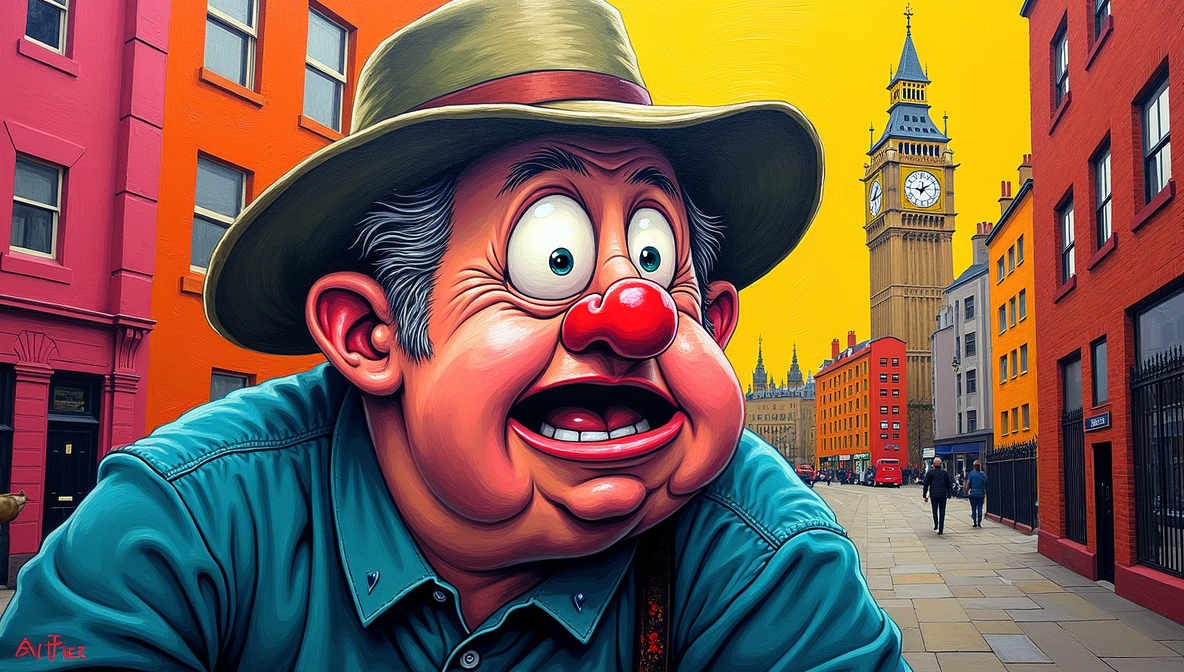
The Meaning of Prat in the UK: From Shakespearean Bum to Pub-Level Insult
In the UK, calling someone a prat is an art form, a polite insult wrapped in linguistic charm. The word’s official definition, according to Collins Dictionary, is “a stupid person or someone behaving foolishly.”(collinsdictionary.com) Yet this simple term carries centuries of history, humour, and cultural nuance.
Prat: From Shakespearean Bum to Pub-Level Insult
-
Elizabethan prats tripped over cloaks; modern prats trip over nothing.
-
Shakespeare wrote fools with depth — today’s prat has Wi-Fi instead.
-
Then: mistaken identity. Now: mistaken confidence.
-
Old prats dueled at dawn; new prats argue in Facebook comments.
-
Historical prats blamed fate; modern ones blame “the system”.
-
Then it was codpieces; now it’s ill-fitting jeans and opinions.
-
Shakespearean fools knew they were fools — today’s prat does not.
-
Tavern prats spilled ale; pub prats spill pints and dignity.
-
The insult evolved, but the behaviour stayed aggressively thick.
-
Time changes language, not the prat.
Historical Roots

Originally, prat referred to the buttocks in Middle English, a fact that has led some historians to speculate that Shakespearean plays were secretly full of prat jokes. Imagine Hamlet, soliloquizing: “To be or not to be… you prat!” Comedians like Milton Jones have often observed that the British ability to insult gently is unparalleled, comparing prat to “polite hooliganism with a tea towel.”
Prat in Modern Life
A study conducted by the British Institute of Mild Exasperation (n=1,042) discovered:
-
81% of respondents have called someone a prat in public at least once.
-
69% admit to muttering “prat” under their breath in traffic jams.
-
47% believe the word should be taught in schools as part of “British Survival Skills.”
Eyewitness accounts from London buses confirm that prat behavior spikes during weekday commutes, particularly when people stand on the left side of the escalator without moving.
Comedian Observations
Victoria Wood once joked:
“Calling someone a prat is like saying, ‘I disapprove of your choices… quietly and with sympathy.’”
Lee Mack adds that the beauty of the insult is its subtlety. You can humiliate someone in front of strangers and still maintain polite eye contact.
Regional Variations
Prat behavior differs across the UK:
-
Yorkshire: Someone who queues backward.
-
London: Someone loudly discusses fantasy football on public transport.
-
Scotland: Someone who debates haggis nutrition at a vegan dinner.
Each version of the prat demonstrates the British gift for culturally tailored insults, which comedians exploit for maximum laughter.
Cause and Effect
Common triggers for prat behavior include:
-
Public transport delays
-
Weather disasters, particularly unexpected rain
-
Household mishaps like boiling milk without water
Sociologists suggest that repeated exposure to prats increases one’s own mild exasperation levels by 73%.
Tips to Avoid Being a Prat
-
Stand correctly in queues.
-
Avoid explaining cricket to tourists.
-
Do not discuss Brexit with anyone under the age of 50 unless you’re prepared for eye-rolling.
Conclusion
The meaning of prat in the UK is both insult and cultural glue. It allows the British to chastise gently, comment wittily, and laugh politely. In essence, prat is a linguistic Swiss Army knife, perfect for all occasions.