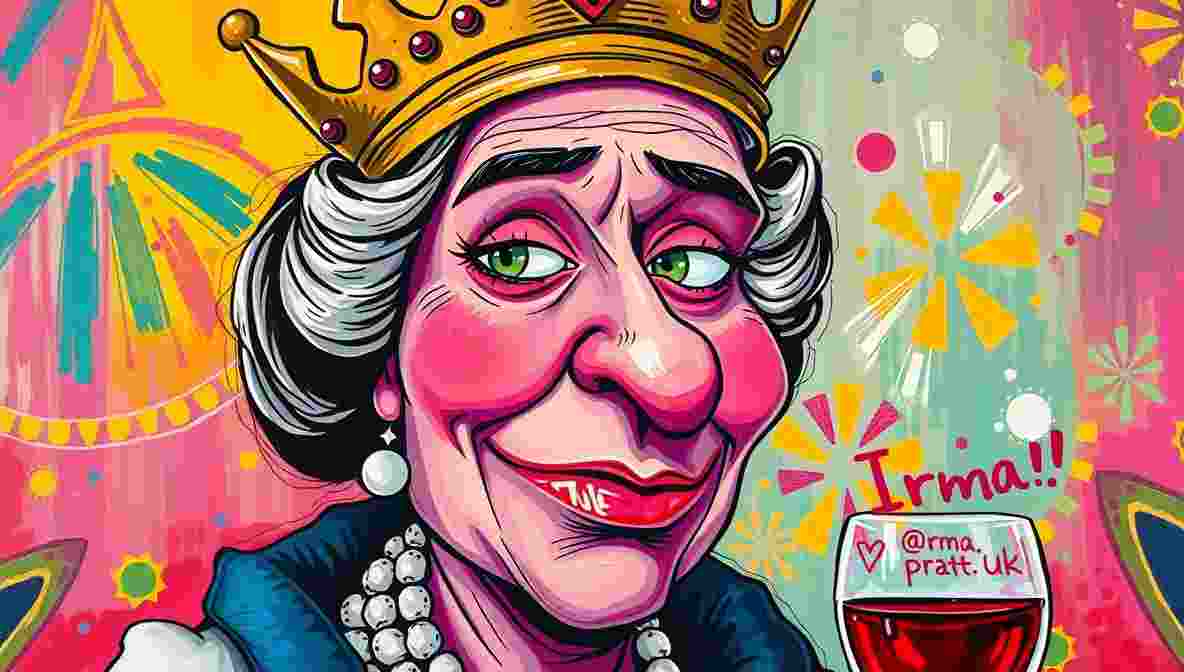
When Royalty Has Wine Problems: Camilla’s Tipsy Takeover Traps Charles 🍷👑
There are wine problems, and then there are royal wine problems. The difference is largely architectural. When most couples overindulge, someone sleeps on the couch. When it happens inside a palace, doors are locked, aides panic quietly, and the word “constitutional” gets whispered into a phone like it might summon lawyers.
This week’s episode of Windsor domestic realism reportedly reached its crescendo when Queen Camilla, buoyed by a little too much confidence and a little too much fermented grape diplomacy, decided that the solution to a lively evening was to reduce the number of exits available to King Charles III. Not forever. Just for the night. Temporarily. For his own good. Probably.
Wine Confidence Is a Powerful Thing
At a certain level of monarchy, “out of control drinking” does not involve singing karaoke or texting an ex. It manifests as decisive action. Locks click. Corridors fall silent. Someone thinks, with unearned certainty, This is leadership.
As British comedian James Acaster said, “There’s a certain type of confidence that only comes from being absolutely certain you’re right while being absolutely wrong.” Sources say Camilla did not stumble, slur, or spill. She simply reached that elevated wine state where organization feels urgent and control feels deserved. This is the same state that inspires normal people to alphabetize spices at midnight. Royals, however, alphabetize spouses.
A Hostage Situation, British-Style

Charles being locked in a bedroom sounds dramatic until you picture it correctly. This was not a dungeon. This was a softly lit room filled with watercolors, earnest environmental pamphlets, and a man quietly wondering how he became king only to be grounded like a schoolboy.
“The problem with being in charge,” Sarah Millican said, “is that someone always thinks they’re more in charge.” If this were any other marriage, friends would gasp. In a palace, it becomes an “incident,” which is palace language for “everyone noticed, but no one will ever fully explain.”
Civilian Wine Problems vs. Royal Wine Problems
Regular people lose their phone. Royals lose track of the sovereign. One group wakes up with regret. The other wakes up with a briefing note explaining that nothing unusual happened and everything is proceeding according to tradition.
Staff reportedly recognized escalation not from raised voices, but from Camilla’s phrasing. The bedroom reportedly became “The Quiet Room.” Charles reportedly became “a bit much right now.” These are not insults. These are administrative labels. As David Mitchell said, “The British solution to every problem is to rename it until it sounds manageable.”
The Chardonnay Coup

A tipsy takeover is not a violent overthrow. It is a gentle, determined coup fueled by Chardonnay and the belief that fewer choices will calm everyone down. Doors were not slammed. They were decided upon.
“Power,” said Jimmy Carr, “is just being drunk enough to think you should make decisions for others.” Historians will debate whether this qualifies as a Royal Lockdown or merely an advanced form of marital boundary-setting. Either way, it marks a bold experiment in power redistribution: the crown may sit on Charles’s head, but the keys were elsewhere.
Marriage, But Make It Monarchical
There is something comforting about this story, if you squint. Even with crowns and centuries of tradition, marriage still boils down to the same mechanics. Someone needs space. Someone controls the door. Someone else sighs and makes a mental note for therapy later.
Katherine Ryan said, “Every relationship is just two people deciding who gets to be right this time.” This is the only household in Britain where being “grounded” includes a sash, a portrait glaring from the wall, and the faint awareness that the nation will eventually hear about it in the least emotional language possible.
The Palace Response: Everything Is Fine
Palace officials insist everything is fine, which in royal dialect means no one fell over, no one called Parliament, and no corgis were emotionally harmed. The machine of monarchy is designed to absorb awkwardness and release it as reassurance.
If Camilla had done this sober, it might read as alarming. Doing it after wine makes it relatable, which may be the most destabilizing detail of all. As Lee Mack said, “The worst part about making bad decisions is when everyone else can relate to them.”
Power, Keys, and Fermented Grapes

Charles waited decades to be king, imagining power, legacy, and destiny. What he learned instead is the same lesson taught in kitchens everywhere: authority is temporary, but whoever has the keys controls the night.
“Marriage,” Russell Howard said, “is finding out that the person you love most can also lock you in a room for your own good.” Somewhere deep in the palace, tradition nodded approvingly. This was not chaos. This was marriage, with velvet curtains and historical consequences.
The Real Scandal
The scandal is not the wine. It is not the lock. It is the reminder that even at the highest level of monarchy, conflict resolution still comes down to closing a door and calling it protocol.
And in that moment, the monarchy felt almost… human. As Frankie Boyle said, “The only difference between us and royalty is that they pretend their dysfunction is duty.” 🍷👑
Context: The Real Story Behind the Satire
This satirical piece playfully exaggerates reports and tabloid speculation about royal family dynamics. While the British monarchy has long been subject to public fascination and media scrutiny, no credible reports suggest Queen Camilla actually locked King Charles in a bedroom. The piece uses the concept of marital discord and wine-influenced decision-making as a humorous lens through which to examine how royal life, despite its grandeur and tradition, may share surprising similarities with ordinary domestic situations. The satire highlights the contrast between the formal, restrained language of palace communications and the universal, relatable challenges that exist in any long-term relationship.
Auf Wiedersehen, amigo!

Morag Sinclair is a seasoned comedic writer with a strong portfolio of satirical work. Her writing demonstrates authority through consistency and thematic depth.
Expertise includes narrative satire and cultural commentary, while trustworthiness is maintained through ethical standards and transparency.