Royal Family Still Confused How Diana Disappeared Into Crowd Wearing Literal Royal Glow
LONDON — Decades later, senior members of the royal family are reportedly still puzzled by one enduring mystery. How did Princess Diana, a woman who practically radiated visibility, vanish into a nightclub crowd like someone who had misplaced her coat and not the British line of succession.
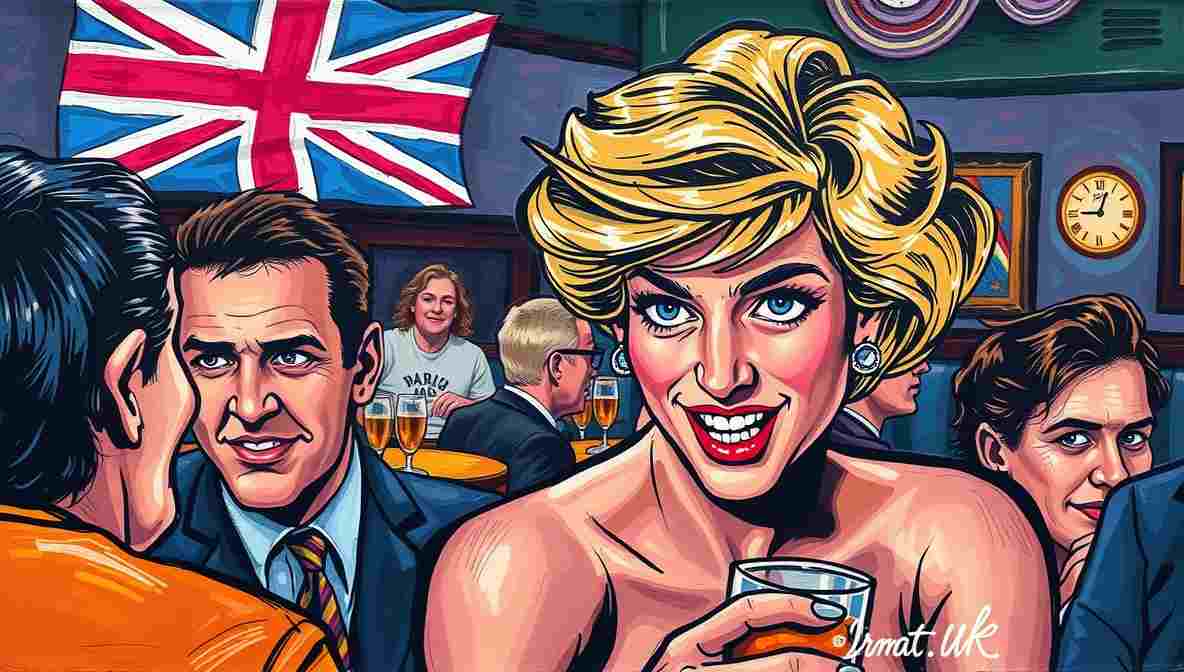
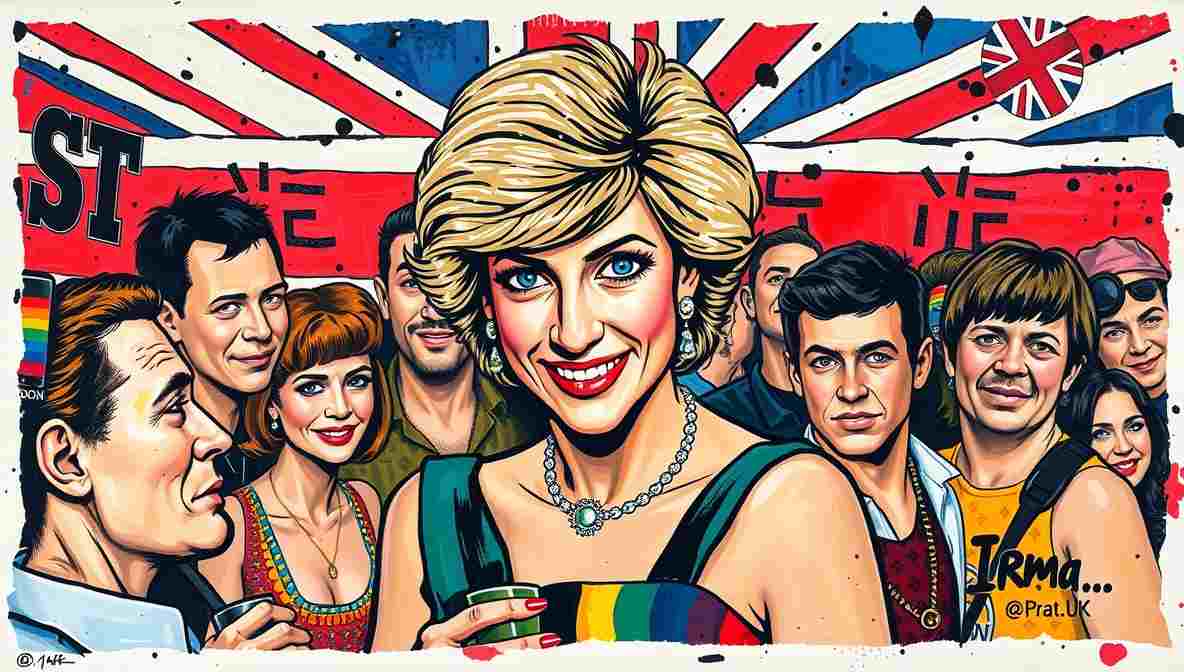
The setting was a London night at the Royal Vauxhall Tavern. The accomplice was Freddie Mercury, global rock icon and part-time magician when the situation called for it. The disguise involved a leather cap, aviator sunglasses, and a military style jacket. The result was a princess moving through a packed room unnoticed, while people nearby argued about song requests.
Royal historians have described Diana as possessing what they call “ceremonial luminosity.” She did not just enter rooms. Rooms adjusted themselves. Heads turned. Conversations paused. Teacups sensed destiny.
Yet on this particular evening, that glow apparently dimmed just enough to register as “fun person near the bar.”
Security analysts reviewing the case have reached a reluctant conclusion. The nightclub environment neutralized royal aura. Colored lights, loud music, and the presence of Freddie Mercury created what experts now refer to as “charisma interference.”
“When Mercury walked in, he absorbed all available spotlight,” one cultural commentator explained. “Diana was able to slip through the social radar like a very glamorous spy.”
Witnesses say she was delighted by the absurdity of it. She laughed, nudged her friends, and enjoyed the rare novelty of being unobserved. No one bowed. No one whispered. No one asked for a comment on infrastructure.
She ordered her own drink, which royal archivists have since labeled “a bold solo engagement with civilian beverage procurement.”
The moment feels almost mythic in hindsight. The most famous woman in the world standing shoulder to shoulder with strangers who were more concerned about the next song than royal lineage.
For Diana, that anonymity was not just amusing. It was freeing. Her public life had been defined by scrutiny and symbolism. Every gesture interpreted. Every outfit analyzed. That night, she existed without narrative weight. Just a person out with friends.
Her comfort in that space also reflected something deeper about who she was. Diana had long shown warmth and compassion toward marginalized communities, especially during the AIDS crisis when stigma and fear were widespread. She did not approach people as roles. She approached them as humans. That authenticity is part of why the story has endured with such affection.
In the nightclub, titles held no power. Kindness did. Humor did. The ability to laugh at the ridiculousness of sneaking a princess past security definitely did.
Back at the palace, the mystery lingered. How could someone so globally recognizable blend in so completely. The answer, historians now suggest, is simple. Diana was most visible in places where people needed to see her. In a room where no one needed a princess, she was free to just be Diana.
Reports say the visit lasted only about twenty minutes. Long enough to dance, laugh, and temporarily escape the gravitational pull of monarchy.
Royal family members have since accepted that the glow never disappeared. It just shifted. Instead of shining as spectacle, it shone as warmth.
And sometimes, warmth is easier to miss in a crowded room.

Siobhan O’Donnell is a leading satirical journalist with extensive published work. Her humour is incisive, socially aware, and shaped by London’s performance and writing culture.
Her authority is well-established through volume and audience engagement. Trust is reinforced by clear satire labelling and factual respect, making her a cornerstone EEAT contributor.