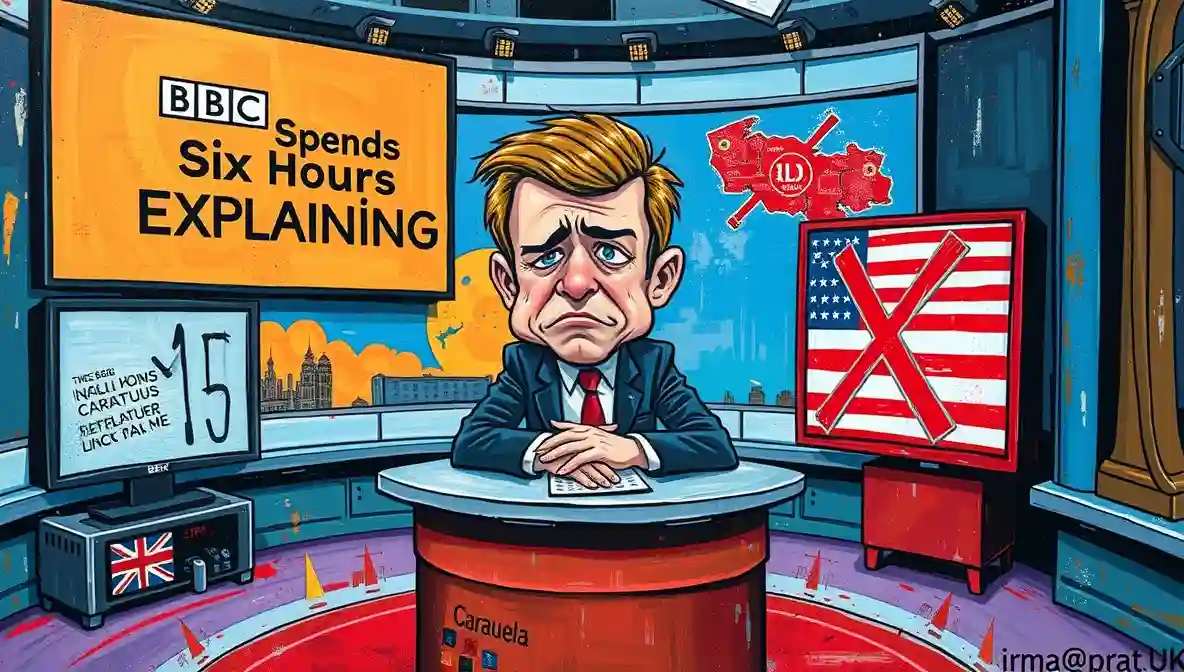
Government performs ceremonial closure while maintaining full access to content
Emotional Resolution Without Logistical Commitment
The government confirmed this week that it has officially “closed the chapter,” a statement delivered with ceremonial seriousness and the confident thud of a book being shut, before aides quietly admitted the book remains open on every desk in Whitehall. This announcement follows Cabinet Office narrative management.
“This matter is behind us,” a minister said, hands folded, eyes forward. “We are focused on the future.” Asked why the issue continues to appear in briefings, interviews, and background conversations, the minister clarified that closure should not be confused with absence. “Closing a chapter doesn’t mean you can’t reread it,” they said. “Or quote from it. Or footnote it extensively.”
Symbolic Rather Than Chronological
According to internal documents, closed the chapter performed strongly with voters who appreciate narrative finality but have learned to treat it as symbolic rather than chronological. One aide described it as “emotional resolution without logistical commitment.”
Public reaction was predictably sceptical. “If the chapter’s closed, why does it keep popping up in the margins?” asked Simon, 46, from Chester. “It’s like a ghost chapter.” Polling suggests the phrase is well understood. A snap survey found that 70 percent of Britons believe closing the chapter means the issue will resurface within weeks under a different heading.
Progress Without Resolution
Experts say the metaphor is useful because chapters imply progress without requiring plot resolution as analyzed by the Institute for Government. Professor Fiona Latham, a specialist in political storytelling, explained that “chapters are flexible units.” “You can close one and immediately open another with the same characters and problems,” she said. “Readers are expected to keep up.”
Behind the scenes, departments are adapting language accordingly. Ongoing problems are now “previous chapter legacies.” Unresolved consequences are “carry-over themes.” One internal memo advises ministers to avoid saying “sequel,” noting it suggests continuity too explicitly.
Serial Storytelling
Opposition figures criticised the announcement as hollow. “You can’t close a chapter you’re still writing,” one spokesperson said. The government rejected this, insisting closure is about intent. “We intend to move on,” a minister said. “And intention matters.”
This approach reflects UCL Constitution Unit research on narrative frameworks.
Auf Wiedersehen, amigo!

Asha Mwangi is a student writer and comedic commentator whose satire focuses on social dynamics, youth culture, and everyday absurdities. Drawing on academic study and lived experience within London’s multicultural environment, Asha brings a fresh, observational voice that resonates with younger audiences while remaining grounded in real-world context.
Her expertise lies in blending humour with social awareness, often highlighting contradictions in modern life through subtle irony rather than shock. Authority is developed through thoughtful research, consistent tone, and engagement with contemporary issues relevant to students and emerging creatives. Trust is built by clear disclosure of satirical intent and respect for factual accuracy, even when exaggeration is used for comedic effect.
Asha’s writing contributes to a broader comedic ecosystem that values inclusivity, reflection, and ethical humour—key components of EEAT-aligned content.