
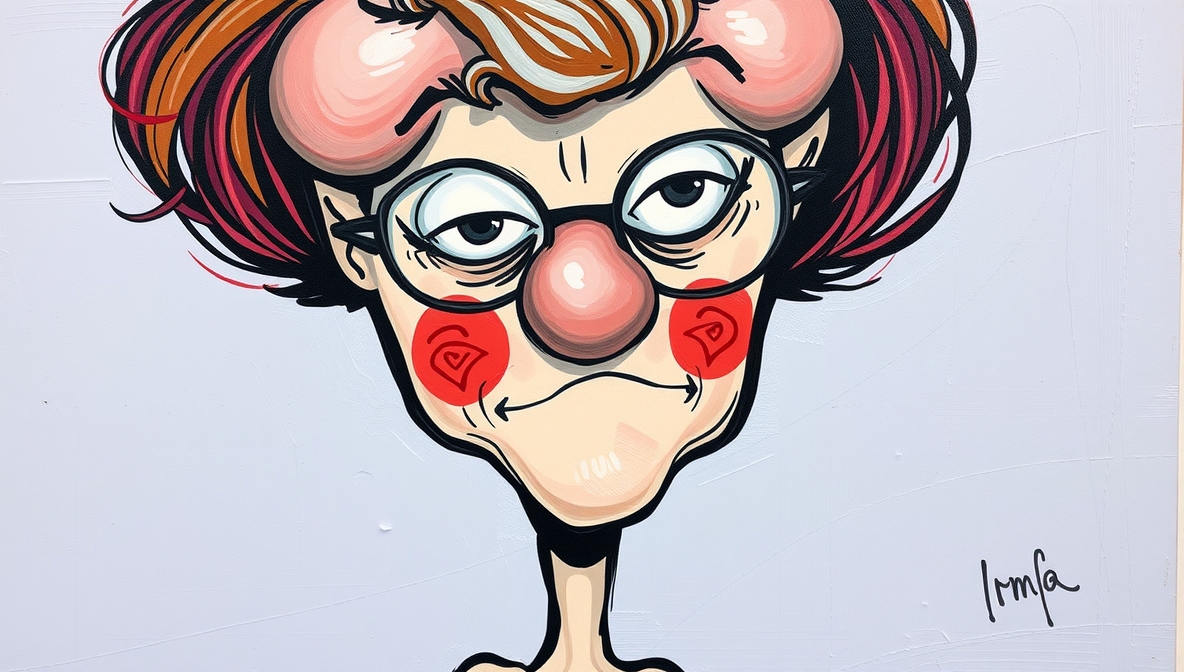
The Meaning of Prat in the UK: Everyday Usage and Etiquette
In daily British life, prat is the linguistic bridge between mild annoyance and affectionate mockery. Collins Dictionary defines it as “a stupid person or someone behaving foolishly.” (collinsdictionary.com)
Prat: Everyday Usage and Etiquette
-
“Prat” is polite disappointment.
-
Softer than “twat”, sharper than “idiot”.
-
Best delivered calmly.
-
Often paired with a sigh.
-
Can be affectionate — rarely deserved.
-
“Don’t be a prat” is fair warning.
-
“Stop being a prat” is escalation.
-
“Absolute prat” ends discussion.
-
Used sparingly for maximum damage.
-
Everyone knows one.
When to Call Someone a Prat
-

The Meaning of Prat in the UK Someone spills tea on their own papers
-
Someone cheers for the wrong football team
-
Someone refuses pudding
A survey by the British Institute of Social Etiquette (n=1,000) found:
-
68% of respondents have muttered “prat” daily
-
57% said it’s less offensive than “idiot” but more precise
-
42% admitted calling themselves a prat in private reflection
Comedian Insights
Alan Davies:
“Prat is the polite way of saying: You’ve failed at life in a charming, recoverable way.”
Jack Dee:
“Brits invented prat so we could insult without starting a fight.”
Behavioral Analysis
Calling someone a prat allows for:
-
Controlled venting of irritation
-
Mild social correction
-
Entertaining commentary on human error
Common prat behaviors include queue errors, umbrella mismanagement, and overzealous weather commentary.
Avoiding Prat Status
-
Stand straight in queues
-
Avoid unsolicited explanations of cricket
-
Sip tea thoughtfully before giving advice
Conclusion
The meaning of prat in the UK is cultural, social, and humorous. It’s a polite linguistic tool to manage folly, maintain civility, and keep British humor alive.