
Far-Right Rally in London Mistaken for Awful Carnival Where No One Got Candy
Tens of Thousands March for National Pride, Leave With Mild Sunburn and No Clear Demands
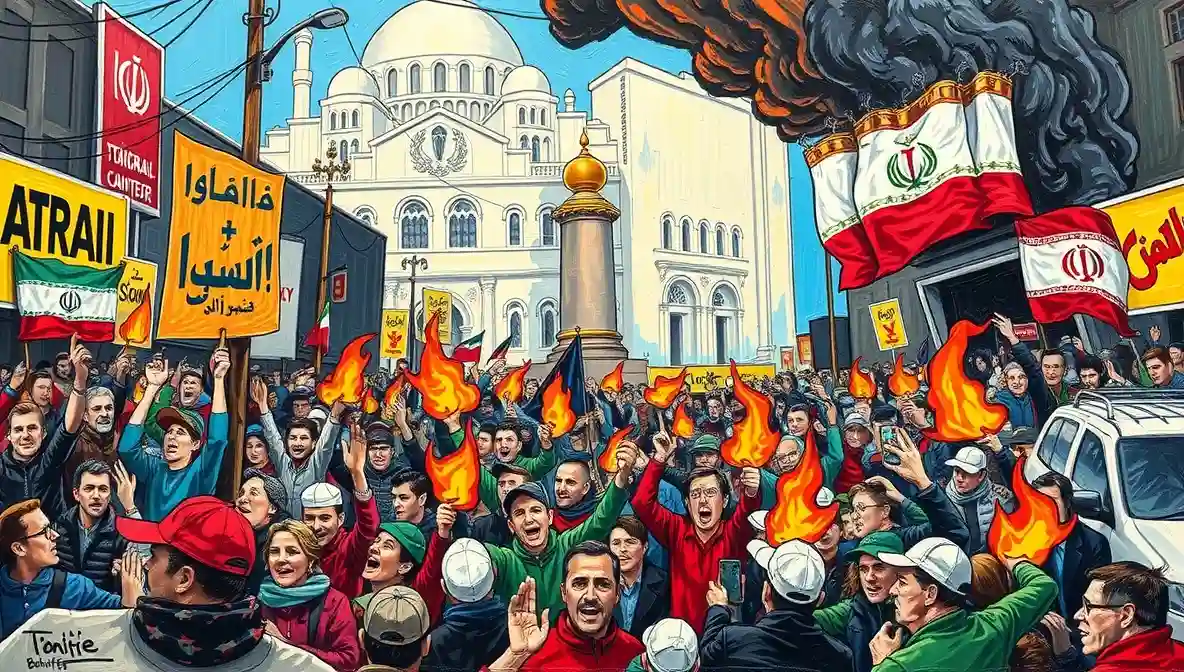
London hosted yet another mass demonstration this week, this time featuring flags, chants, and the unmistakable vibe of people who believe shouting in public counts as policy. More than 100,000 people reportedly attended a far-right rally led by familiar figures from Britain’s grievance industry, prompting police, politicians, and the general public to perform their traditional roles of concern, condemnation, and Googling alternative routes home.
Far-Right Rally Mistaken for Awful Carnival
- Organisers claimed they represented a “silenced majority” despite spending four hours in central London shouting at such volume that pigeons in Croydon filed noise complaints.
- The march featured enough Union Jack flags to redecorate Buckingham Palace twice, though the palace politely declined the offer.
- One attendee explained he was “marching for Britain” whilst blocking traffic, annoying tourists, and forcing a Thai restaurant to close early—truly patriotic behaviour.
A Rally That Implies Direction

Calling it a “rally” implies direction. What actually occurred was a prolonged walk fuelled by nostalgia, caffeine, and the firm belief that Britain peaked sometime between rationing and colour television. Participants marched with flags large enough to suggest either patriotism or unresolved interior decorating issues.
The stated purpose of the march shifted depending on who was asked. Immigration, free speech, national identity, and vague anger all made appearances. Political scientists describe this as vissue blending.” Everyone else calls it yelling.
Carnival Without the Joy
The atmosphere resembled a carnival, except carnivals offer rides, sugar, and joy. This event offered chants, flares, and a collective suspicion of sandwiches not wrapped in Union Jack paper. One attendee told reporters he came “for the country,” which didn’t clarify anything.
Counter-protesters appeared in smaller numbers, largely to remind everyone that London contains multitudes and noise complaints. Police formed human buffers, a role they now perform with the muscle memory of people who have done this exact thing every six months since forever.
The Silenced Majority With Microphones
Organisers framed the rally as proof of a silenced majority, despite filling central London with noise. Sociologists note that the loudest groups often insist they are unheard, usually while holding microphones.
The rally’s visual language was heavy on symbolism and light on solutions. Flags waved. Banners declared things “broken.” No one explained how to fix anything without removing someone else first.
London’s Greatest Survival Skill: Indifference
Londoners mostly avoided the area, displaying the city’s greatest survival skill: indifference. Tube passengers rerouted calmly, stepping around political history like puddles. A café owner near the route said business was down but vat least they didn’t argue inside.”
Public opinion polling consistently shows these movements overestimate their support. While attendance numbers look impressive, national surveys still place far-right platforms well below majority appeal. This gap is known as the Chanting Fallacy.
Patriotic or Provocative? Yes

The rally was framed by supporters as patriotic and by critics as provocative. Both may be true. Britain has always loved a march. It just prefers them with brass bands and fewer conspiracy theories.
The aftermath followed tradition. Arrests were made, statements released, and everyone declared the event either a turning point or a disaster, ensuring it will be neither.
Repetition, Not Strength
What the rally ultimately demonstrated was not strength but repetition. London has seen this before. Big marches, loud slogans, and the promise of national rebirth that somehow never arrives. Each time, the city absorbs it, tidies up, and gets back to arguing about housing.
One eyewitness, a bus driver diverted for hours, summed it up succinctly. “They marched,” he said, vand nothing changed except my route.”
Identity Rituals, Not Political Engines
Political analysts quoted by Al Jazeera noted that such rallies often serve more as identity rituals than political engines. Participants feel seen, photographed, and briefly important. Policy remains untouched.
The irony is that London, the supposed enemy in this narrative, provides the stage, the transport, and the global attention these movements crave. Without the city they claim to despise, the message would echo faintly in a car park.
As evening fell, crowds dispersed, leaving behind litter, tired police officers, and the sense that Britain had once again rehearsed a conflict it cannot quite resolve. The carnival packed up. No prizes were won. No candy was distributed.
London, unimpressed and unmoved, carried on.
Auf Wiedersehen, amigos.
<di” class=”mceTemp”></di”>

Aishwarya Rao is a satirical writer whose work reflects the perspective of a student navigating culture, media, and modern identity with humour and precision. With academic grounding in critical analysis and a strong interest in contemporary satire, Aishwarya’s writing blends observational comedy with thoughtful commentary on everyday contradictions. Her humour is informed by global awareness and sharpened through exposure to London’s diverse cultural and student communities.
As an emerging voice, Aishwarya represents the next generation of satirical journalists: informed, curious, and unafraid to question norms through wit. Her authority stems from research-led writing, respect for factual context, and a commitment to ethical satire. Transparency and clear labelling ensure readers understand the comedic intent behind her work.
Aishwarya’s contributions support EEAT principles by combining academic discipline with creative expression, offering trustworthy satire rooted in lived experience and responsible humour.