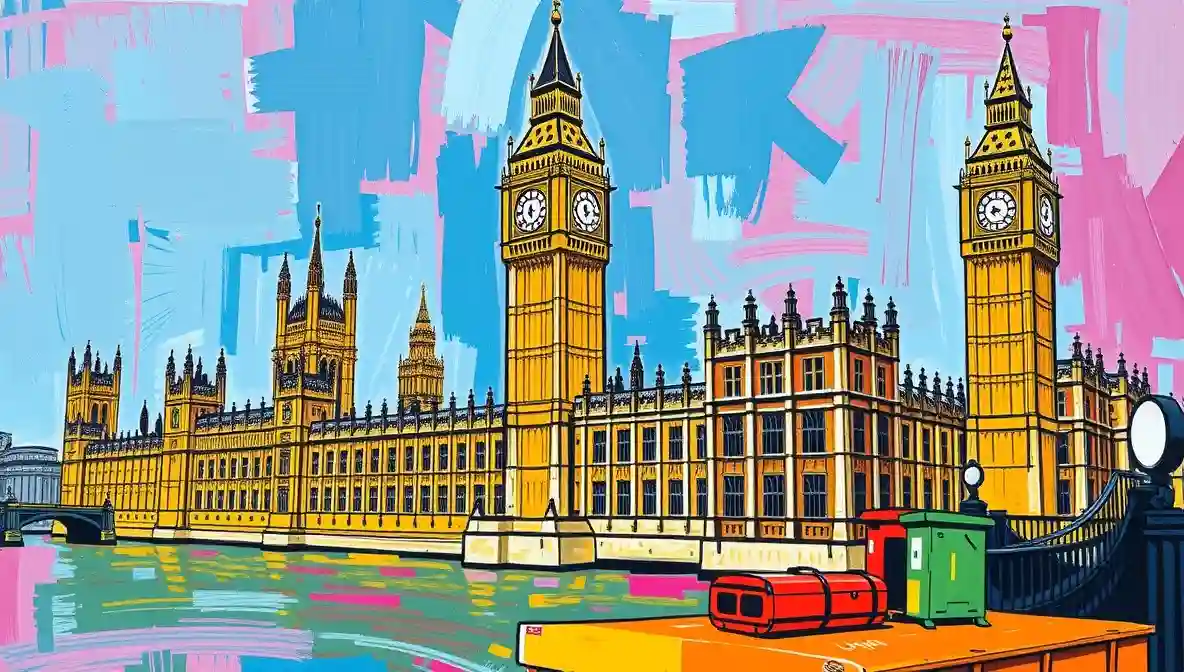

Master the art of studied indifference and aggressive apathy
The Unspoken Rules of the London Underground: A Complete Breakdown
The London Underground operates under a sophisticated system of invisible laws that rival the Geneva Convention in complexity. These rules are never written, never explained, and yet everyoneabsolutely everyoneknows them. Break one and you’re exiled to the Circle Line forever.
The Eye Contact Paradox
Making eye contact on the Tube is the social equivalent of declaring war on your fellow passengers. Yet complete obliviousness to the human beings pressed against your ribcage is mandatory. The sweet spot? A thousand-yard stare directed at an imaginary point somewhere between someone’s left ear and the advertising poster for divorce solicitors. As one BBC London report noted, passengers have perfected the art of shared misery without acknowledgment.
The Seat Offering Minefield
Offering your seat to someone is a calculated social gamble. Offer it to a pregnant woman? Heroic. Offer it to an elderly person who might be offended? Career-ending. The safest strategy is to stare firmly at your phone and hope someone’s humanity overrides their anxiety. Most passengers prefer the comfort of guilt to the discomfort of human interaction.
The Escalator Stand
Walk on the left; stand on the right. This isn’t guidanceit’s constitutional law. Violate it and prepare for the aggressive tutting of commuters queuing behind you like they’re boarding the Titanic. Transport for London has never officially confirmed this rule, yet somehow everyone knows it.
The Phone Etiquette Ballet
Speaking on your phone is acceptable only if everyone on the carriage can hear every detail of your life story. The louder your personal drama, the more socially acceptable. However, acknowledging that the person next to you exists? Absolutely forbidden.
SOURCE: Bohiney Magazine’s guide to London commuting culture
https://bohiney.com/?

Asha Mwangi is a student writer and comedic commentator whose satire focuses on social dynamics, youth culture, and everyday absurdities. Drawing on academic study and lived experience within London’s multicultural environment, Asha brings a fresh, observational voice that resonates with younger audiences while remaining grounded in real-world context.
Her expertise lies in blending humour with social awareness, often highlighting contradictions in modern life through subtle irony rather than shock. Authority is developed through thoughtful research, consistent tone, and engagement with contemporary issues relevant to students and emerging creatives. Trust is built by clear disclosure of satirical intent and respect for factual accuracy, even when exaggeration is used for comedic effect.
Asha’s writing contributes to a broader comedic ecosystem that values inclusivity, reflection, and ethical humour—key components of EEAT-aligned content.