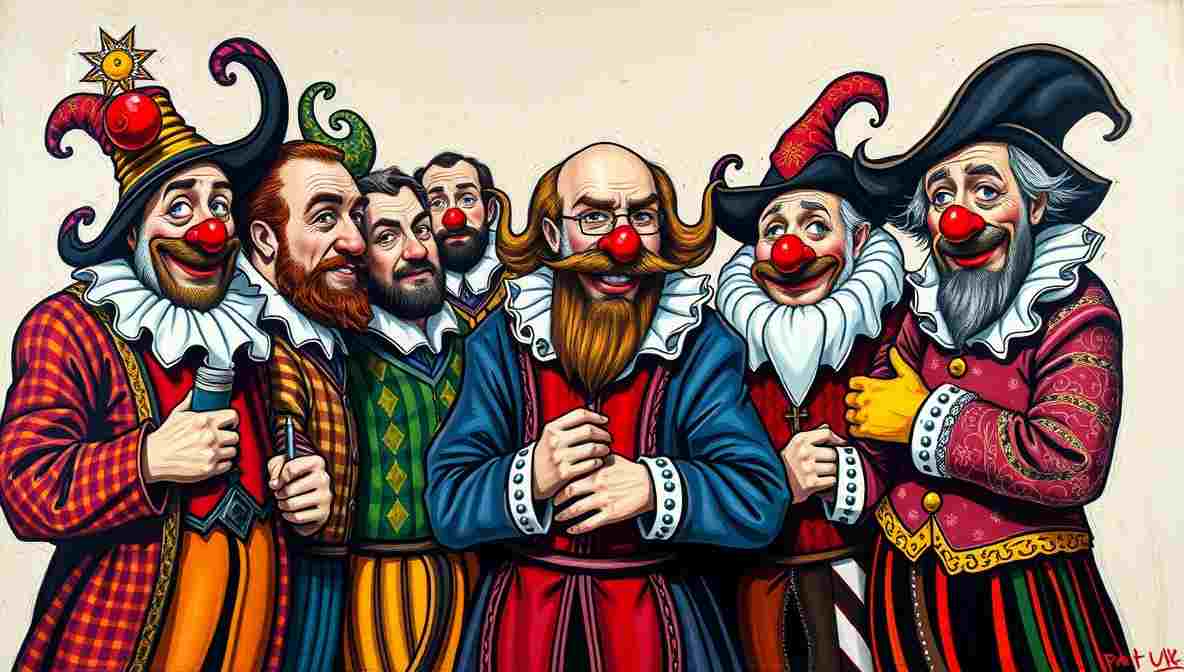
The Apollo Hammersmith: Where Netflix Specials Go to Feel Important
Queuing outside the Hammersmith Apollo to watch a superstar record their Netflix special is the modern equivalent of attending a royal coronation—except the monarch tells dick jokes and you’ve signed an NDA. The venue, formerly the Gaumont Palace, has hosted everyone from The Beatles to Bowie, and now serves as Britain’s premier location for comedians to achieve streaming platform validation.
The Queue: Where Hope Goes to Die Slowly
The Apollo queue stretches around the block like a particularly optimistic unemployment line. Ticket holders arrive hours early, clutching printed confirmations and dreams of appearing in the background of a Netflix comedy special. Nobody mentions that audience shots will be edited down to 2.3 seconds of forced laughter.
“Queuing for comedy is Britain’s second-favorite pastime after queuing for anything else,” said Milton Jones, who understands national character.
The Security Theatre Experience

Apollo security treats comedy special recordings with the seriousness of airport screening. Phones must be sealed in Yondr pouches—fabric envelopes that turn smartphones into expensive paperweights. The message is clear: your Instagram story matters less than preventing bootleg recordings that will appear on YouTube within 48 hours anyway.
“They take your phone like you’re entering witness protection,” said Nish Kumar, who’s recorded there multiple times.
The queue inches forward at speeds that would embarrass a glacier. Venue staff check tickets, double-check tickets, and occasionally triple-check them as if forgery is rampant in the mid-tier comedy special market. The process takes so long that several couples in the queue meet, fall in love, and break up before reaching the doors.
“I aged seven years waiting to see James Acaster,” said Sara Pascoe, probably exaggerating but only slightly.
Inside the Cathedral of Corporate Comedy
The Apollo’s interior resembles what would happen if a Victorian theatre and a multiplex cinema had a baby and sent it to finishing school. The venue seats 3,632 people, which means 3,631 of you will have partially obstructed views. The Grade II listed building maintains original architectural features, including pillars strategically placed to block sightlines.
“The Apollo’s architecture ensures everyone has an authentic Victorian theatre experience: you can’t see a damn thing,” said Katherine Ryan, who’s performed there to great acclaim and limited visibility.
The Warm-Up: Preparing You to Laugh on Command
Before the main act, a warm-up comedian appears to teach 3,632 adults how to laugh properly for streaming television. They explain that spontaneous laughter is preferred, but precisely timed spontaneous laughter is better. It’s like being directed in a play where your only role is “Enthusiastic Audience Member #2,847.”
“Warming up an Apollo crowd is like trying to excite a church congregation about taxation,” said Romesh Ranganathan, who’s done both.
The Recording: Take Forty-Seven of Allegedly Spontaneous Comedy

Netflix records multiple shows to create one “perfect” special. Comedians repeat jokes, retake bits, and occasionally stop mid-routine to request better reactions. It’s less standup comedy and more standup surgery—meticulously crafted entertainment designed to feel spontaneous while being anything but. The streaming comedy business demands perfection, even if perfection requires 47 takes.
“Recording at the Apollo is like watching a movie being made, if movies were 90% waiting and 10% applause cues,” said James Acaster, who knows this experience intimately.
The Audience: Unpaid Extras in Someone Else’s Career
Apollo audiences serve multiple functions: laughing mechanism, background texture, and validation device. You’ve paid £25-£40 for the privilege of being unpaid labor in a Netflix production budget. It’s the gig economy applied to entertainment consumption—you’re not really watching comedy, you’re performing enthusiasm for streaming algorithms.
“Audiences don’t realize they’re basically extras who paid for the experience,” said Dane Baptiste, explaining modern entertainment economics.
Between takes, venue staff instruct audiences to maintain energy levels despite watching the same material repeatedly. It’s psychological warfare disguised as entertainment—Stockholm syndrome with punchlines. By the third recording of the same joke, laughter becomes a moral obligation rather than a natural response.
“The Apollo teaches you that joy can be manufactured through repetition and social pressure,” said Ed Gamble, who’s mastered the format.
The Superstar: Visible from Space and Other Exaggerations

From the back of the Apollo, comedians appear approximately the size of sophisticated thumbs. The venue provides screens so audiences can watch close-ups of the person they paid to see in person. It’s like attending a concert through binoculars while someone holds an iPad in front of your face—technically present, functionally absent.
“Performing at the Apollo means most of the audience experiences you via screen anyway,” said Russell Howard, who’s sold out the venue multiple times.
The Netflix Effect: When Comedy Becomes Content
Recording at the Apollo represents the pinnacle of British comedy success—you’ve achieved sufficient fame that Netflix considers you marketable to 139 million subscribers who will scroll past your special while looking for true crime documentaries. The venue’s prestige adds legitimacy, suggesting your comedy is important enough to warrant Grade II listed surroundings.
“The Apollo makes you feel like you’ve made it, which is nice until you remember Netflix will bury your special between ‘Baking Championships’ and ‘Murder Island,'” said Maisie Adam, who understands streaming platform realities.
The Post-Show: Where Reality Reasserts Itself
After recording, audiences file out discussing whether they’ll appear in the final cut. Spoiler: you won’t. Netflix editors will use the prettiest, most enthusiastic audience members, and statistically speaking, that’s not you. Your contribution will be reduced to ambient noise in someone else’s career highlight.
“I’ve been to five Apollo recordings and I’m never in the final special—I’m starting to take it personally,” said Suzi Ruffell, who’s noticed this pattern.
The Hammersmith Queue Part Two: Finding Your Phone
Retrieving Yondr-pouched phones requires queuing again, because apparently one queue per evening isn’t sufficient. Staff members unlock pouches with magnetic devices while audiences desperately check whether anything important happened during the 90-minute comedy quarantine. Spoiler: it didn’t. The world survived without your tweets about #NetflixComedy.
“The second queue is shorter but spiritually more draining,” said Fern Brady, who’s experienced both.
The walk to Hammersmith tube station provides time for reflection: you’ve witnessed history being manufactured, comedy being corporatized, and spontaneity being rehearsed. The Apollo experience perfectly captures modern entertainment—expensive, controlled, and designed to look effortless while being anything but.
Auf Wiedersehen, amigo!

Chelsea Bloom is an emerging comedic writer with a focus on light-hearted satire and observational humour. Influenced by London’s student culture and digital comedy spaces, Chelsea’s work reflects everyday experiences filtered through a quirky, self-aware lens.
Expertise is growing through experimentation and study, while authority comes from authenticity and relatability. Trustworthiness is supported by clear intent and ethical humour choices.
Chelsea’s contributions represent developing talent within an EEAT-compliant framework that values honesty, clarity, and reader trust.