Starmer’s War With Elon Musk Continues, Proving World Leaders Just Need Drama
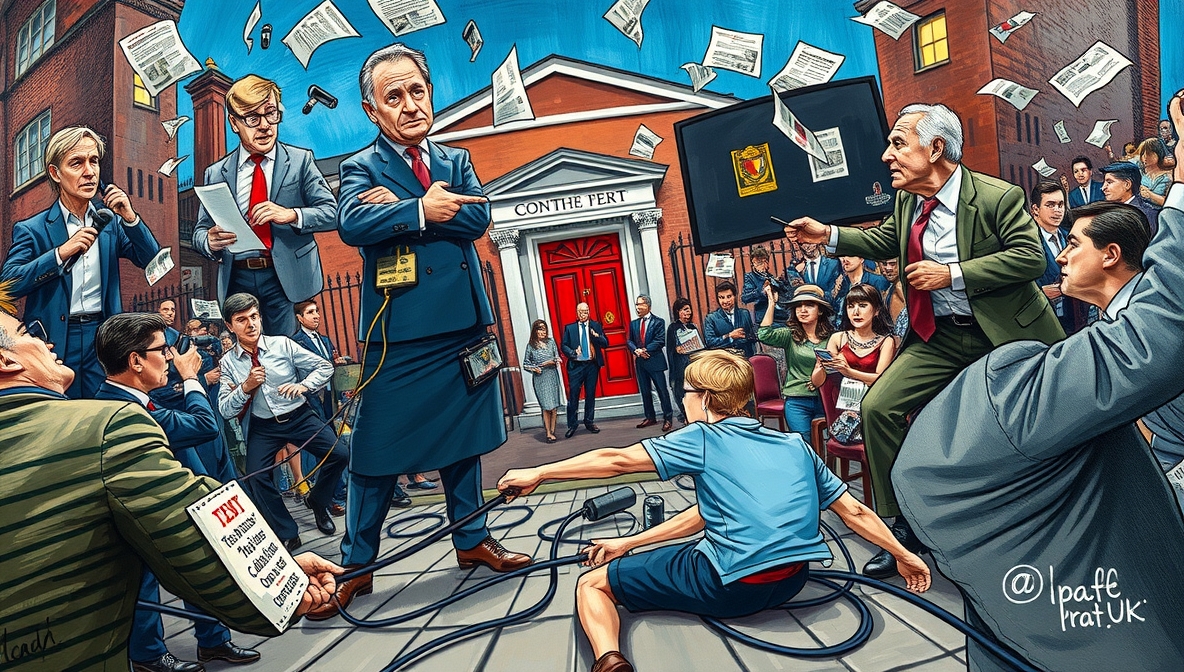
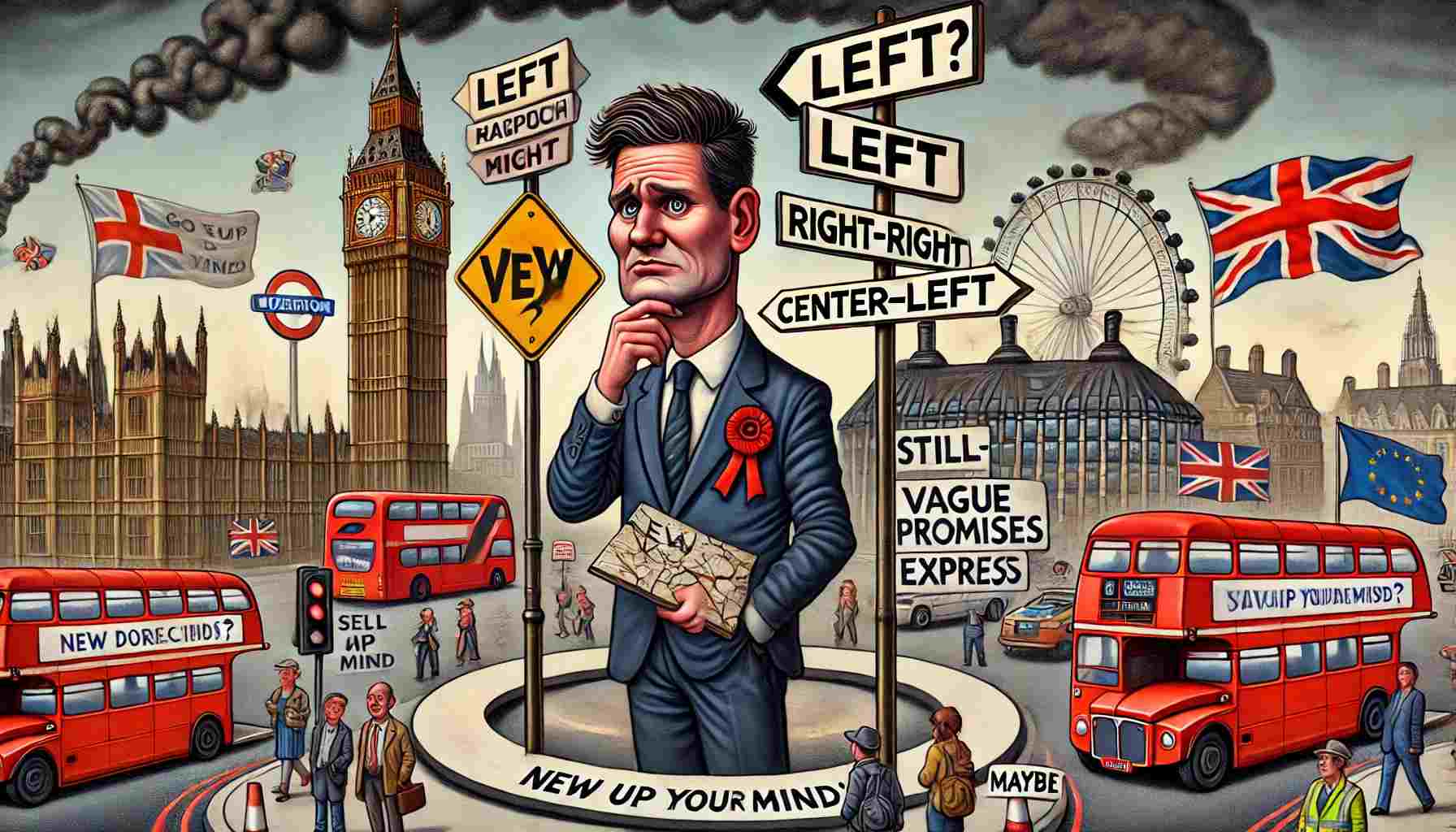
While roads quietly deteriorate, hospitals improvise, and policy papers age gracefully into irrelevance, the Prime Minister has once again found himself locked in a highly visible dispute with Elon Musk, confirming that modern governance now includes a customer-service desk for billionaires with Wi-Fi access. The exchange unfolded, as all serious matters of state now do, online, where tone substitutes for leverage and attention substitutes for outcome.
The disagreement, described by aides as “substantive,” involved regulation, responsibility, and the future of technology, though most of it manifested as posting. Two powerful men argued publicly while potholes flourished quietly, untouched by discourse. National policy briefly paused for subtweets. Somewhere in the background, a civil servant refreshed a dashboard and sighed.
The feud has reinforced a growing consensus among political analysts: politics is now customer service for people who own platforms. Musk treated regulation like a suggestion box, occasionally acknowledging it, occasionally mocking it, and mostly reminding everyone that he has rockets. The Prime Minister insisted the matter was serious, a claim somewhat undermined by the medium, the timing, and the fact that seriousness rarely requires engagement metrics.
Supporters argue that standing up to Musk demonstrates resolve. Critics note that standing up looks increasingly like posting. The argument produced no laws, no frameworks, and no enforceable commitments, but engagement soared. Analysts confirmed that while nothing changed materially, visibility improved dramatically, which is how success is now measured.
Deepfakes were mentioned. So were safety, responsibility, and democratic norms. Deep egos, however, dominated the exchange. Experts warn that synthetic media poses a threat to trust, but concede that personal grievance already performs most of the damage. X has fully matured into the world’s most expensive pub argument, a place where global power is negotiated through sarcasm, screenshots, and the strategic withholding of context.
Inside government, aides defended the Prime Minister’s participation, insisting it was important to be seen pushing back. “Silence can look weak,” one adviser said, moments before acknowledging that silence also polls better. Another noted that disengaging would allow Musk to “control the narrative,” an admission that the narrative is now assumed to live on Musk’s platform by default.
Meanwhile, the practical work of governance continued without interruption, mostly because it was already accustomed to being ignored. Infrastructure remained broken. Regulatory clarity remained elusive. Departments continued issuing statements unrelated to the argument, as if hoping no one would notice the overlap between global drama and local inertia.
International observers watched with interest. Some admired the Prime Minister’s willingness to engage. Others wondered why a head of government was spending time in a dispute that appeared to have no off-ramp. One diplomat privately described the situation as “symbolic assertiveness,” clarifying that symbolism had recently become Britain’s most renewable resource.
The timing raised questions. With multiple domestic pressures demanding sustained attention, critics asked whether a public feud with a tech magnate was the best use of political capital. Supporters replied that the public likes clarity, even if it’s performative. The fact that nothing tangible resulted was treated as secondary to the impression that something had been attempted.
In the end, the exchange faded the way all online conflicts do, not with resolution but with exhaustion. The posts slowed. The attention moved elsewhere. Musk continued being Musk. The government continued governing, in theory.
Somewhere, policy is still waiting to be noticed.
Disclaimer: This article is satire, produced entirely through a human collaboration between the world’s oldest tenured professor and a philosophy major turned dairy farmer. Any resemblance to real digital diplomacy is not accidental. Auf Wiedersehen.

Lowri Griffiths brings a distinct voice to satirical journalism, combining cultural critique with dry humour. Influenced by London’s creative networks, her writing reflects both wit and discipline.
Authority stems from experience, while trust is built through transparency and ethical satire.