Prime Minister Calls for Unity, Immediately Blames Someone Else
Nation Briefly United in Confusion as Speech Completes Perfect Political Loop
In a solemn address delivered with flags, lighting, and the facial expression reserved for moments of great seriousness, the Prime Minister called for national unity, urging the country to come together, lower the temperature, and move forward as one. Within moments, the speech achieved balance by identifying precisely who was responsible for the lack of unity and why it definitely was not the Prime Minister.
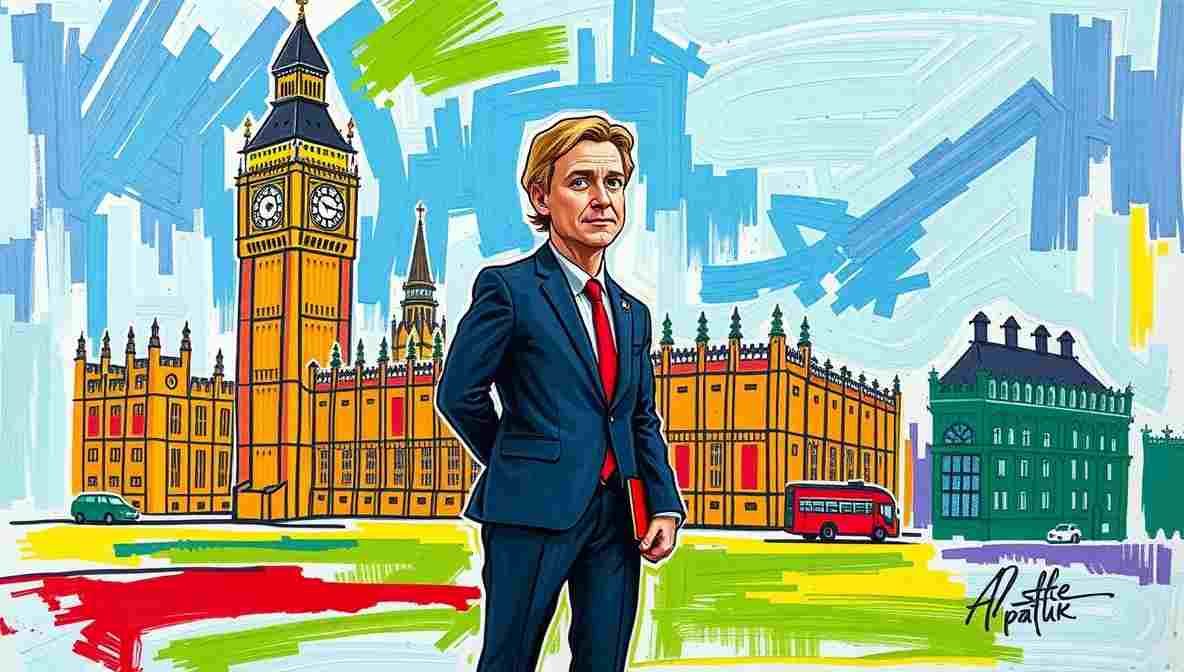
The statement was issued from the heart of UK Parliament, where aides later confirmed the sequence was intentional. “Unity is very important,” one senior official said. “But accountability must also be directed elsewhere.”
Unity Defined Broadly, Responsibility Narrowly
Togetherness Encouraged, Selectively Applied
The Prime Minister opened by acknowledging division, frustration, and rising tension across the country. These were described as serious challenges requiring calm leadership, collective effort, and a refusal to point fingers.
The next paragraph named several fingers.
Without raising their voice or altering tone, the Prime Minister explained that unity had been undermined by a combination of opposition obstruction, media misrepresentation, legacy issues, global forces, and decisions made before the current administration arrived in the room.
Political analysts praised the delivery. “It takes discipline to blame people without sounding angry,” one noted. “That’s statesmanship.”
The Blame Pivot: A Westminster Classic
Calm Words, Sharp Direction
Observers in Westminster recognised the maneuver immediately. The unity-blame pivot is a foundational move in modern British politics, taught informally through observation and perfected through repetition.
First, appeal to shared values.
Second, invoke seriousness.
Third, explain why shared values would be thriving if not for them.
A leaked briefing note described the strategy as “inclusive language followed by targeted clarification.”
Opposition Welcomes Unity, Objects to Being the Cause of Disunity
Criticism Absorbed, Returned Politely
Opposition figures responded by welcoming the call for unity while expressing concern that unity appeared to require their silence. One spokesperson said they were “more than happy to work together,” provided working together did not involve being blamed for everything in the previous ten minutes.
During a follow-up debate, opposition MPs attempted to ask how unity would be achieved in practice. The Prime Minister replied that unity begins with responsibility and ended with a reminder of who had failed to provide it.
The exchange was described as “constructive” by several commentators who left before the questions resumed.
Media Declares Speech Unifying, Highlights Division
Headlines Find Balance Where Speech Did Not
Political coverage praised the tone of the address, noting its calm delivery and measured language. Headlines emphasised leadership, reassurance, and resolve.
Subheadings focused on blame.
A senior political editor explained that this dual framing was necessary. “The Prime Minister did call for unity,” they said. “They also clearly explained why we don’t have it.”
Broadcast panels debated whether the blame was fair, excessive, or insufficiently specific. All agreed it was familiar.
Civil Service Scrambles to Translate Unity Into Action
Guidance Issued, Ambiguity Maintained
Inside government departments, civil servants began the careful task of translating the speech into operational reality. Draft guidance encouraged collaboration while reiterating departmental talking points about where problems originated.
One official described the atmosphere as “harmonious but defensive.”
“We’re all pulling together,” they said, “just not in the same direction.”
Public Reaction: Weary Recognition
Citizens Feel Addressed, Then Accused
Across the country, voters reacted with a mixture of nodding and eyebrow-raising.
“I liked the bit about unity,” said one commuter. “I didn’t realise I was part of the problem until minute four.”
Another voter noted that calls for unity now arrive pre-packaged with disclaimers. “It’s like being invited to a family dinner and immediately told who ruined Christmas.”
Polling conducted after the speech showed a temporary boost in perceptions of leadership, followed by a sharp increase in people muttering “of course” at their televisions.
Why This Keeps Working
Unity as Shield, Blame as Tool
Political historians note that calls for unity serve two purposes. They sound statesmanlike and position the speaker above the conflict. Blame then restores balance by explaining why unity has not occurred.
Together, they form a closed loop. Unity is demanded. Failure is externalised. Authority remains intact.
As one long-time observer put it, “If you call for unity loudly enough, you can assign blame quietly.”
Closing Appeal, Carefully Worded
The Prime Minister reiterated the call for unity, urging everyone to reflect, reset, and move forward together.
Preferably after acknowledging who caused the problem.
Disclaimer
This article is entirely a human collaboration between two sentient beings: the world’s oldest tenured professor and a philosophy major turned dairy farmer. Any resemblance to real speeches is not coincidental, merely well-timed.
Auf Wiedersehen.

I am a Lagos-born poet and satirical journalist navigating West London’s contradictions. I survived lions at six, taught English by Irish nuns, now wielding words as weapons against absurdity. Illegal in London but undeniable. I write often for https://bohiney.com/author/junglepussy/.
As a young child, I was mostly influenced by the television show Moesha, starring singer and actress Brandy. Growing up, I would see Brandy on Moesha and see her keeping in her cornrows and her braids, but still flourish in her art and music, looking fly. I loved Moesha as a child, but now I take away something more special from it. Just because you’re a black girl, it doesn’t mean you need to only care about hair and makeup. Brandy cared about books, culture and where she was going — you can do both.