Mrs. Brown’s Boys to the West End: The Shocking Survival of Britain’s Rudest, Least Sophisticated Comedy
How Traditional Bawdy Humor Conquered Modern London Despite Everyone’s Better Judgment
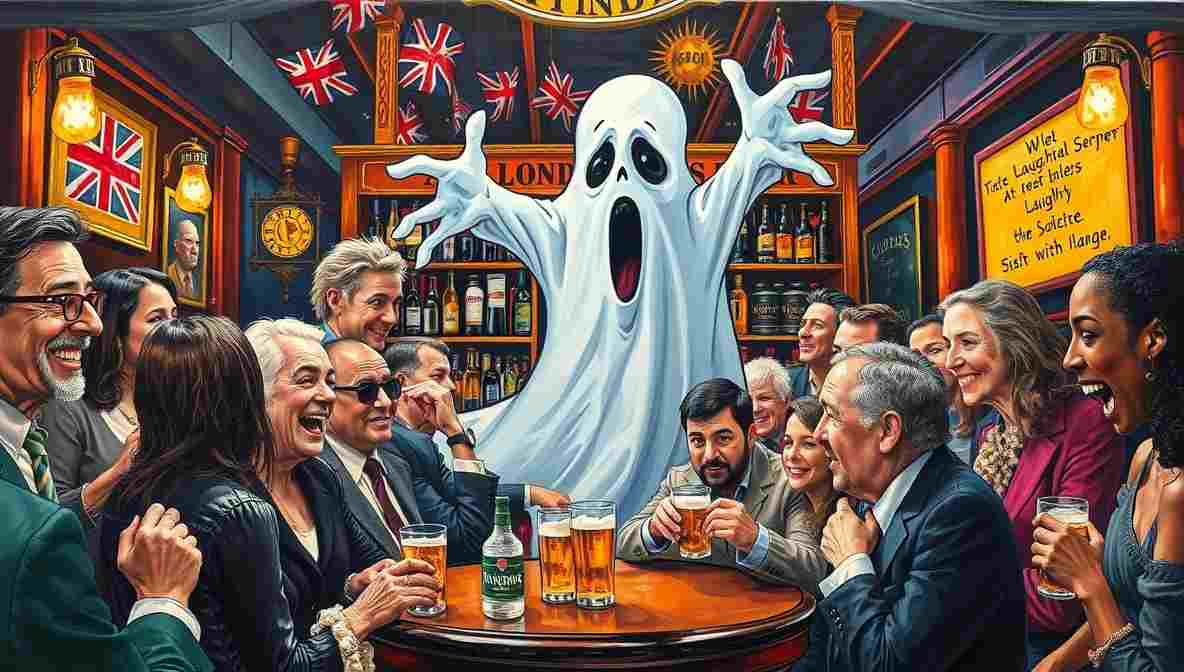
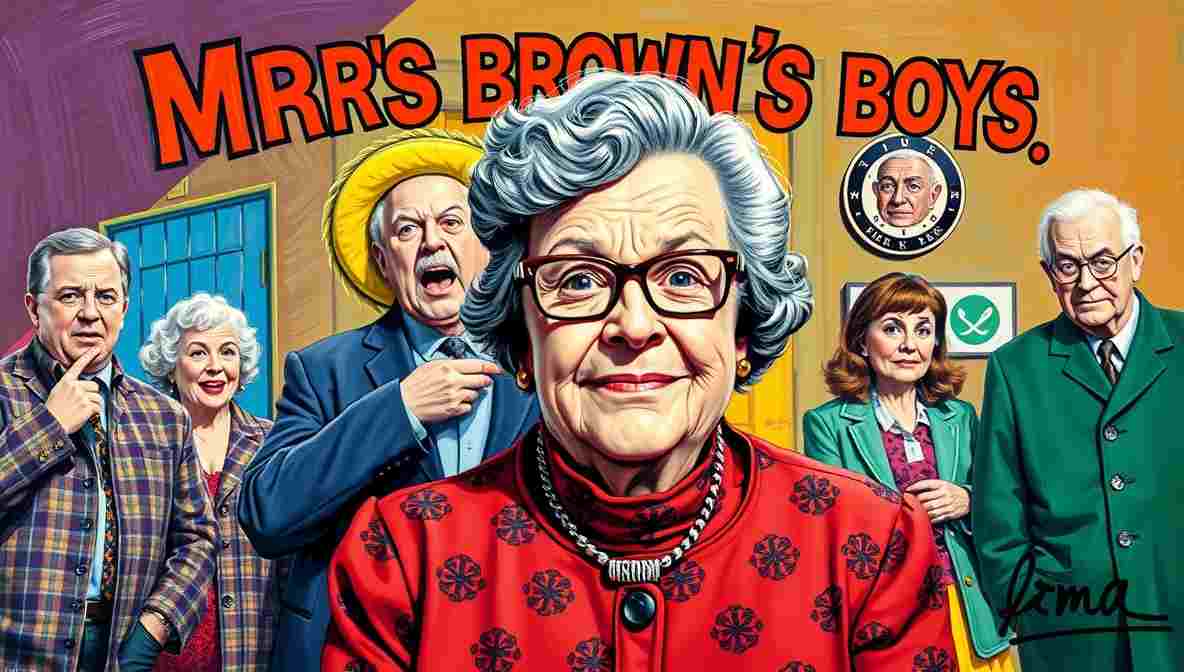
LONDON — In an age of sophisticated Netflix specials and cerebral panel shows, Mrs. Brown’s Boys stands as a monument to Britain’s enduring love of the absolutely unsophisticated. This Irish sitcom—featuring a man in drag making penis jokes, breaking the fourth wall, and corppsing through scenes—became a BBC ratings juggernaut and West End success despite, or perhaps because of, being everything modern comedy shouldn’t be. Its triumph represents the eternal tension in British entertainment between aspiration to wit and preference for watching someone fall over while saying “feck.”
The History of Bawdy: London’s Long Love of Dirty Jokes
London’s tradition of bawdy humor stretches back to Chaucer’s Canterbury Tales, where medieval pilgrims entertained each other with stories about infidelity, bodily functions, and sexual mishaps—essentially the 14th-century version of panel show anecdotes. This established that British humor could be both literary and lavatorial, sophisticated in structure while crude in content, a combination that confuses foreign audiences who expect us to pick one or the other.
Shakespeare’s comedies, performed in London’s Globe Theatre, combined elaborate wordplay with obvious dick jokes, proving that even the Bard understood audiences wanted intellectual stimulation and knob gags in equal measure. This dual nature persists in British comedy: we produce both QI and Mrs. Brown’s Boys, high culture and low humor coexisting because apparently we need both to feel complete.
Music Hall: Making Vulgarity Respectable
Victorian music halls transformed bawdy humor from street entertainment into commercial industry, with performers like Marie Lloyd making suggestive songs respectable through performative innocence and strategic double entendres. Lloyd’s act was essentially continuous innuendo, but because she never said anything explicitly sexual, middle-class audiences could enjoy her while maintaining they appreciated her “cheeky” personality rather than admitting they liked dirty jokes.
This Victorian legacy—enjoying vulgarity while pretending not to—shaped British comedy’s relationship with bawdy humor. We simultaneously love crude jokes and feel slightly embarrassed about loving them, creating the perfect conditions for shows like Mrs. Brown’s Boys to succeed while critics pretend it’s terrible and audiences pretend they’re watching ironically.
Carry On Films: British Cinema’s Shameless Period

The Carry On films, produced from 1958-1992, brought music hall sensibilities to cinema, creating a uniquely British genre: comedy where every line is a barely-concealed sexual reference, every situation involves someone’s trousers falling down, and every character has a name like “Randy Fanny” or “Dick Titter.” These films made millions while critics despaired, establishing that British audiences would always prefer saucy postcards to sophisticated satire when given the choice.
The Carry On legacy lives on in modern British comedy’s comfort with innuendo, physical comedy, and jokes that would make Americans blush or confused—often both. While American comedy evolved toward self-aware irony, British comedy maintained space for the genuinely, unironically crude, creating parallel traditions that occasionally intersect but never fully merge.
Mrs. Brown’s Boys: Everything Wrong Is Everything Right
Creator Brendan O’Carroll’s creation defies every rule of modern comedy: it uses laugh tracks, breaks the fourth wall inconsistently, features obvious corppsing, relies on tired stereotypes, and centers on a man in drag making jokes about willies and fannies. It should fail spectacularly. Instead, it became the BBC’s highest-rated sitcom, spawned successful West End shows, and achieved something remarkable: making everyone who claims to have sophisticated taste in comedy feel personally attacked by its existence.
The show’s success reveals uncomfortable truths about British comedy audiences: we claim to want intelligent humor but actually enjoy watching someone in a floral dress say “feck” repeatedly. We pretend to appreciate nuanced character development but really want catchphrases and pratfalls. We talk about comedy as art form but mostly just want to laugh at Mammy Brown falling over or making jokes about her “hairy pie”—a running gag that’s either terrible or brilliant depending on your tolerance for obvious innuendo.
The Critical Hatred That Fuels Success
Mrs. Brown’s Boys attracts critical contempt so intense that it powers the show’s popularity—every savage review becomes marketing material, every think-piece about its awfulness drives more viewers to check what the fuss is about. The show’s fans take pride in liking something critics hate, creating a perfect storm where cultural gatekeepers’ disapproval makes the show more appealing to its target audience, who resent being told their taste is wrong.
The West End Success: Bawdy Goes Legitimate
Mrs. Brown’s Boys’ West End runs sell out theatres that once hosted Pinter and Stoppard, creating cognitive dissonance for anyone invested in theatre’s cultural status. The show’s live performances feature the same crude humor, breaking fourth wall, and corppsing that characterize the sitcom, but audiences pay premium prices for the privilege of seeing it in person, suggesting that bawdy humor’s appeal increases rather than decreases with institutional validation.
The West End success demonstrates that traditional bawdy humor doesn’t need critical respect to achieve commercial success—in fact, critical disdain might help. While sophisticated audiences attend serious plays to feel cultured, Mrs. Brown’s Boys audiences attend to laugh at willy jokes without judgment, creating parallel theatre ecosystems that never intersect except when reviewers complain about declining standards.
Why Londoners Keep Choosing Crude
London theatre audiences could choose anything—the city offers every form of entertainment imaginable—yet thousands consistently choose Mrs. Brown’s Boys over alternatives. This preference reveals that beneath London’s cultural sophistication lies deep desire for simple, obvious humor requiring no interpretation, offering no commentary, and making no demands beyond laughing at someone saying “bollix” in an Irish accent.
Bawdy humor’s persistence suggests that cultural evolution isn’t linear—we don’t inevitably progress from crude to sophisticated. Rather, different forms of humor serve different needs, with bawdy comedy fulfilling the eternal human desire to giggle at bodily functions and sexual innuendo regardless of how educated we become. Mrs. Brown’s Boys succeeds because sometimes people just want to watch mammy accidentally expose herself while making cake, and no amount of cultural capital makes that desire disappear.
The Class Dimension: Who Laughs at What

Critics often frame Mrs. Brown’s Boys as working-class comedy, implying its fans lack sophistication to appreciate “better” humor—a classist assumption the show’s supporters gleefully reject. The reality is more complex: the show’s audience spans class backgrounds, united not by socioeconomic status but by preference for traditional, uncomplicated humor over modern comedy’s self-aware complexity.
This divide isn’t about intelligence or education but about what people want from entertainment. Some seek comedy that challenges, provokes, or makes them think; others want comedy that makes them laugh without intellectual effort. Mrs. Brown’s Boys serves the latter group without apology, refusing to accommodate critics’ preferences or evolve toward respectability, a stubbornness that’s either admirable integrity or calculated commercial strategy—probably both.
Why Britain Can’t Quit Bawdy Humor
Britain’s relationship with bawdy humor reflects broader cultural contradictions: we want to be sophisticated but fear being pretentious; we value intelligence but suspect cleverness without substance; we aspire to high culture but feel most comfortable with low comedy. Mrs. Brown’s Boys thrives in this contradiction, offering permission to enjoy simple, crude humor without irony or apology in an age where everything else requires meta-commentary.
The show’s success also reflects rebellion against cultural policing—when critics insist certain comedy is “wrong” or “outdated,” audiences who enjoyed it feel attacked and double down on their support. Mrs. Brown’s Boys becomes battle ground in larger culture wars about who decides what’s acceptable to laugh at, with the show’s defenders refusing to let metropolitan elites dictate their entertainment choices.
The Generational Factor
Mrs. Brown’s Boys’ audience skews older, suggesting bawdy humor’s appeal varies by generation. Younger audiences raised on internet culture prefer rapid-fire references and subversive irony; older audiences prefer sustained comic performance and traditional setups. Whether this represents fundamental generational difference or just different points in comedy’s evolutionary cycle remains unclear, though given that every generation thinks they’ve finally evolved past crude humor before discovering they haven’t, probably the latter.
What Mrs. Brown’s Boys Reveals About Us

The show’s endurance—surviving critical hatred, changing comedy trends, and cultural evolution—reveals that bawdy humor fills needs that sophisticated comedy cannot. It provides communal laughter requiring no context, offers comfort through familiarity and repetition, and creates space where audiences needn’t worry about getting jokes or missing references. In an increasingly complex world requiring constant interpretation, Mrs. Brown’s Boys offers refreshing simplicity: mammy will make joke about willy, everyone will laugh, show will continue.
More uncomfortably, the show’s success suggests that comedy’s evolution toward sophistication might be preference of vocal minority rather than general audience. While critics celebrate clever, challenging comedy, ratings suggest most people prefer traditional formats featuring obvious jokes and physical humor—either because they genuinely find it funnier or because entertainment after work doesn’t require adding thinking to already exhausting days.
The Future of Bawdy in London
Mrs. Brown’s Boys will eventually end, but bawdy humor’s tradition ensures something will replace it—another show featuring crude jokes, physical comedy, and comfortable stereotypes that critics hate and audiences love. This cycle has repeated for centuries, from music hall to Carry On films to Mrs. Brown’s Boys, suggesting that bawdy comedy is feature rather than bug of British entertainment, perpetually dying yet never quite dead.
London’s West End will continue hosting both serious theatre and bawdy comedy because audiences want both, or more accurately, different audiences want different things and both groups have money to spend. The cultural gatekeepers who lament Mrs. Brown’s Boys’ success while praising serious drama serve useful function—providing contrast that makes bawdy humor’s triumph more satisfying for audiences tired of being told their taste is wrong.
Making Peace with Mammy Brown
Perhaps Mrs. Brown’s Boys’ greatest achievement is forcing British culture to acknowledge that we never outgrew crude humor and probably never will. We can appreciate sophisticated comedy while also laughing at someone saying “feck” in a dress; we can value intelligent satire while enjoying obvious punchlines; we can be culturally educated while still finding willies funny. The show succeeds not despite these contradictions but because of them, offering permission to laugh simply and without shame in an age of complicated everything.
In the end, Mrs. Brown’s Boys to the West End represents not comedy’s decline but its diversity—proof that London’s entertainment ecosystem supports everything from experimental theatre to a man in drag making the same jokes music hall performers made 150 years ago. We haven’t regressed or stagnated; we’ve just admitted that sometimes the perfect entertainment is watching mammy Brown call someone a “feckin’ eejit” while a studio audience howls with laughter. And really, what’s more honest than that?
Auf Wiedersehen, amigo!

Lowri Griffiths brings a distinct voice to satirical journalism, combining cultural critique with dry humour. Influenced by London’s creative networks, her writing reflects both wit and discipline.
Authority stems from experience, while trust is built through transparency and ethical satire.