Labour Party Promises “Serious Change” While Carefully Avoiding Anything Noticeably Different
LONDON — The Labour Party has once again pledged to deliver “serious, grown-up change,” prompting voters to ask whether that means actual policy shifts or simply a calmer tone while doing broadly the same things in a slightly darker suit—which is, coincidentally, exactly what they’ll do if elected. It’s the political equivalent of rearranging deck chairs on the Titanic but doing it very seriously.
Standing in front of a neutral grey backdrop—chosen to represent stability, moderation, and absolutely no sudden movements that might frighten the horses (or the Daily Mail)—senior Labour figures assured the nation they are ready to govern, provided no one asks any awkward questions about how, exactly, that would look or what they actually intend to do about it.
“This is a new Labour Party,” a spokesperson said with the confidence of someone who’d rehearsed that line exactly 47 times that morning, before immediately clarifying that it is also deeply rooted in tradition, continuity, and not frightening anyone who owns more than one property. So, basically, the old Labour Party wearing a slightly different tie and claiming it’s a completely different outfit.
The Labour Party’s Bold Vision: Being Inoffensive to Everyone Important
Insiders say the modern Labour Party strategy is simple: say as little as possible, as carefully as possible, to as many people as possible, for as long as possible—which, when you think about it, is basically the political version of a corporate customer service chatbot that’s been trained to apologise without actually admitting anything.
Policy announcements are now stress-tested to ensure they:
✗ Do not upset business (heaven forbid)
✗ Do not excite activists (excitement leads to demands for specifics)
✗ Do not alarm the press (who might ask follow-up questions)
✗ Do not commit to anything measurable (the cardinal sin of modern politics)
✗ Do not accidentally reveal what they actually believe
✗ Do not threaten anyone’s comfortable status quo
“It’s about balance,” explained a party aide, with the gravitas of someone explaining why their dinner party had run out of wine. “If voters can’t remember what we stand for, they can’t accuse us of breaking promises later. It’s strategic vagueness masquerading as thoughtfulness.”
Leadership Projects Confidence, Vulnerability, and a Mild Headache
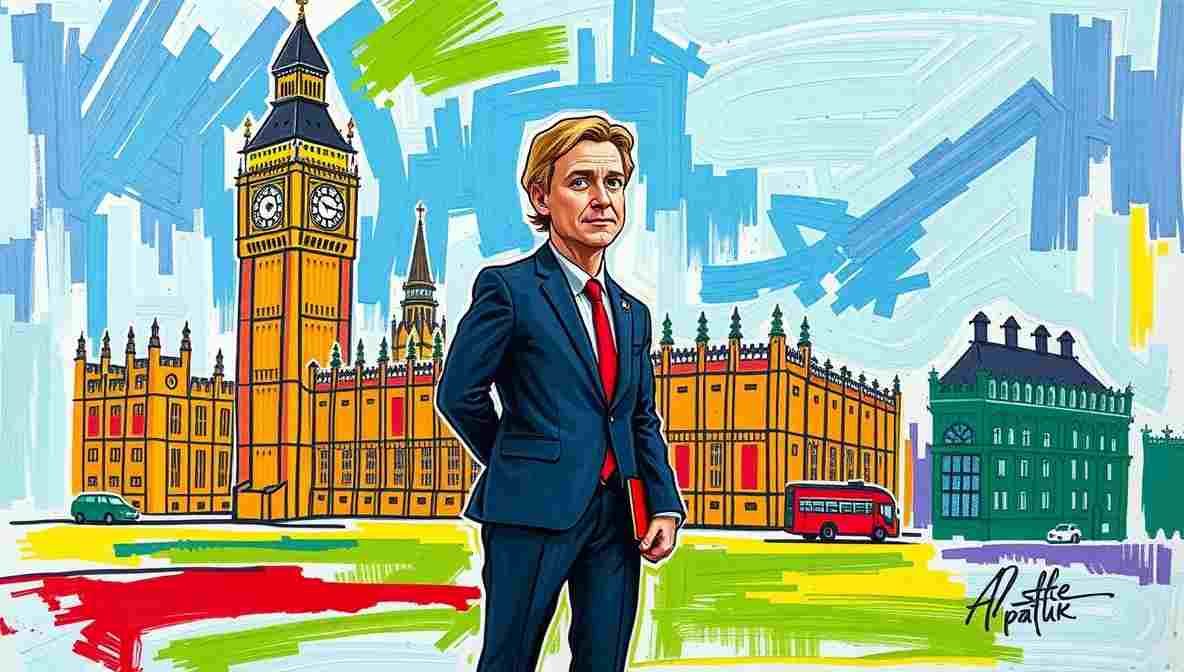
The Labour leader has worked hard to cultivate an image of seriousness, responsibility, and someone who has read the briefing papers—but didn’t enjoy them, understand them fully, or particularly agree with them. He looks like he’s perpetually one question away from needing a paracetamol.
In recent speeches, he has struck a careful tone: firm but reassuring, passionate but restrained, inspirational in the way a well-organised spreadsheet can inspire an accountant on a particularly good day. Rousing stuff, if you’re thrilled by PowerPoint presentations and competent filing systems.
“We are the party of working people,” he declared passionately, moments before carefully avoiding eye contact with any actual working people in case they asked awkward questions about wages, conditions, or why their lives have demonstrably gotten worse whilst billionaires got richer. That would require specifics.
Internal Unity Declared, Immediately Followed by Briefing War
Despite repeated claims of unity, the Labour Party continues to demonstrate its greatest political skill: disagreeing with itself in public while insisting everything is “constructive”—which is political-speak for “we’re arguing but we’re doing it politely so it counts as productive.”
Sources confirm that internal debates are healthy, open, and absolutely not being leaked to journalists within minutes of concluding. (They are definitely being leaked within minutes. Journalists are presently drowning in leaked Labour strategy documents, internal emails, and one particularly damning memo about a senior figure’s lunch preferences.)
“This is what a broad church looks like,” said one MP, with the enthusiasm of someone describing a particularly awkward family reunion. “Some of us believe one thing, others believe the opposite, and leadership believes neither should be discussed before the election. It’s called unity. Through silence. And aggressive fact-checking of anyone who suggests otherwise.”
Labour Party Rebrands Again, Hopes No One Notices
The party’s latest rebrand emphasises words like security, growth, and stability—terms carefully chosen to sound reassuring while meaning very little when examined closely, like “synergy” or “moving forward” or “value-add.” They’re words that sound vaguely good but dissolve into meaninglessness the moment you ask “yes, but what does that actually mean in pounds and pence?”
Focus groups reportedly responded well to the slogan, “Change You Can Trust,” mainly because no one could remember what the previous slogan was, and also because it’s vague enough to mean literally anything to anyone. It’s the political equivalent of “hot water is wet.”
“It’s not spin,” a communications adviser insisted, which is exactly what someone engaged in serious spin would say. “It’s narrative discipline. If we repeat the same phrase often enough, it becomes policy. Repetition creates reality. We’ve basically weaponised the power of PR to substitute for actual plans.”
Voters React with Cautious Optimism and Deep Suspicion
Public reaction to the Labour Party remains cautiously hopeful, tempered by the collective memory of past promises, past disappointments, and the nagging feeling that politics is something that happens to them, rather than for them—like weather, or tax increases, or the inevitable discovery that the biscuits you saved for later have mysteriously vanished.
“I want to believe them,” said one voter with the enthusiasm of someone waiting in the dentist’s chair. “But I’ve also watched politics for more than five minutes, so I know better. They’re promising change, but change to what, exactly? The branding? The tie colour? Will my life demonstrably improve? Almost certainly not.”
Polling suggests many voters plan to support Labour not out of enthusiasm, but because it feels like the least stressful option available—which is damning praise if you think about it. “We’re voting for you because you’re boring” is not a ringing endorsement.
Election Strategy: Don’t Lose, Don’t Scare, Don’t Explain
As the election approaches, Labour insiders say the priority is simple: avoid mistakes, avoid detail, and avoid reminding anyone of previous internal rows. Also avoid: specificity, accountability, or anything that might be scrutinised by actual journalists.
“Winning is about discipline,” one strategist explained, with the grim determination of someone who’d rather eat glass than commit to a measurable policy. “If we can get through an entire campaign without accidentally expressing an opinion, without anyone catching us on camera looking confused, and without accidentally admitting what we actually believe, we’re in a very strong position. It’s a low bar, but we’re determined to limbo under it.”
Conclusion: The Labour Party Awaits Power, Carefully, Quietly, Without Making Any Promises
As it stands, the Labour Party is positioned as the sensible alternative, the safe pair of hands, and the political equivalent of switching the TV volume down rather than changing the channel—which is to say, you’ll barely notice anything’s different, but at least it’ll be slightly quieter and less chaotic.
Whether that will translate into meaningful change remains to be seen. For now, voters are invited to place their hopes, expectations, and mild disappointment in a carefully branded red basket and hope for the best while preparing for the worst.
One thing is certain: if elected, Labour promises to be different—just not too different. Which, when you think about it, is the safest possible promise they could make, because technically they’ll deliver on it by definition. The bar isn’t just low; it’s been buried underground and carpeted over.

Aishwarya Rao is a satirical writer whose work reflects the perspective of a student navigating culture, media, and modern identity with humour and precision. With academic grounding in critical analysis and a strong interest in contemporary satire, Aishwarya’s writing blends observational comedy with thoughtful commentary on everyday contradictions. Her humour is informed by global awareness and sharpened through exposure to London’s diverse cultural and student communities.
As an emerging voice, Aishwarya represents the next generation of satirical journalists: informed, curious, and unafraid to question norms through wit. Her authority stems from research-led writing, respect for factual context, and a commitment to ethical satire. Transparency and clear labelling ensure readers understand the comedic intent behind her work.
Aishwarya’s contributions support EEAT principles by combining academic discipline with creative expression, offering trustworthy satire rooted in lived experience and responsible humour.