
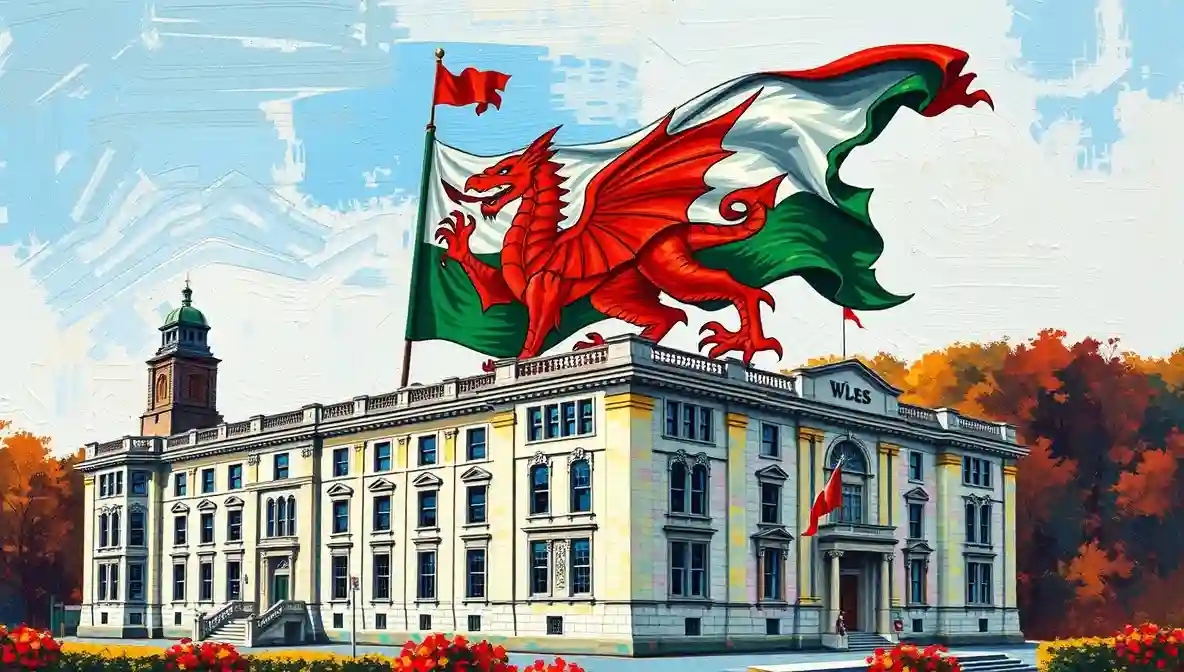
Decides to Adopt Some of It Quietly
London, 1961.
Britain continues to assess the growing presence of American influence in daily life, a process conducted with curiosity, mild resistance, and selective enthusiasm. From music and films to language and habits, American culture has arrived with confidence, prompting Britain to examine what to accept, what to adapt, and what to pretend not to notice.
According to features broadcast by BBC, American films and television programmes attract substantial audiences. Their energy, scale, and optimism stand in contrast to domestic productions, which remain committed to understatement and restraint. Viewers express enjoyment while insisting they prefer British sensibilities.
Music has proven particularly influential. Records from across the Atlantic circulate widely, bringing new rhythms and styles. Young listeners respond enthusiastically, while older audiences approach with interest and raised eyebrows. One listener in Bath remarked that the tunes were catchy, though he questioned the necessity of volume.
Language has also been affected. American expressions appear in conversation, advertising, and print. Words such as ?okay? and ?movie? are heard more frequently, often provoking commentary. Linguists note that language evolves naturally, though some citizens express hope that spelling will remain stable.
Commentary in The Times suggests that American influence reflects economic and cultural power rather than deliberate persuasion. The editorial argues that Britain has always absorbed foreign elements, shaping them to suit local taste. What matters, it concludes, is maintaining balance and perspective.
In commerce, American practices are studied closely. Marketing techniques, customer service approaches, and production methods attract interest. British firms adopt selected strategies while emphasising quality and tradition. One retailer remarked that enthusiasm is useful, provided it is not mistaken for substance.
Education has also felt the effect. Universities exchange scholars, research ideas cross borders, and textbooks reference American developments. Academics welcome collaboration while emphasising the importance of independent thought. Knowledge, they note, benefits from exchange rather than imitation.
Public reaction remains nuanced. Many appreciate American innovation and confidence, while preferring British moderation. The influence is acknowledged, discussed, and sometimes denied. One man interviewed outside a cinema stated that while he enjoyed American films, he preferred British queues.
The Government has taken a pragmatic view. Ministers emphasise strong relations with the United States while affirming Britain?s identity. Cultural exchange, they say, enriches both sides. Britain, they insist, remains Britain.
Some critics warn that excessive influence may erode national character. Supporters counter that character is resilient and adaptable. Both agree that Britain?s history suggests an ability to integrate without surrender.
As American culture continues to arrive, Britain selects carefully. Some elements are embraced, others adjusted, and a few quietly set aside. The process is informal and ongoing.
For now, Britain observes, samples, and adapts. The influence is present, noticeable, and occasionally useful. The nation maintains its voice, even as it borrows a tune or two.
Authority sources available to readers include BBC cultural reporting, academic commentary, and analysis in national newspapers, all confirming that American influence is increasing and being negotiated thoughtfully.
Auf Wiedersehen, amigo!

Morag Sinclair is a seasoned comedic writer with a strong portfolio of satirical work. Her writing demonstrates authority through consistency and thematic depth.
Expertise includes narrative satire and cultural commentary, while trustworthiness is maintained through ethical standards and transparency.