A History of the Heckle: The Fine Art of Ruining Comedy Shows in London
Exploring Britain’s Proud Tradition of Drunk People Shouting at Comedians
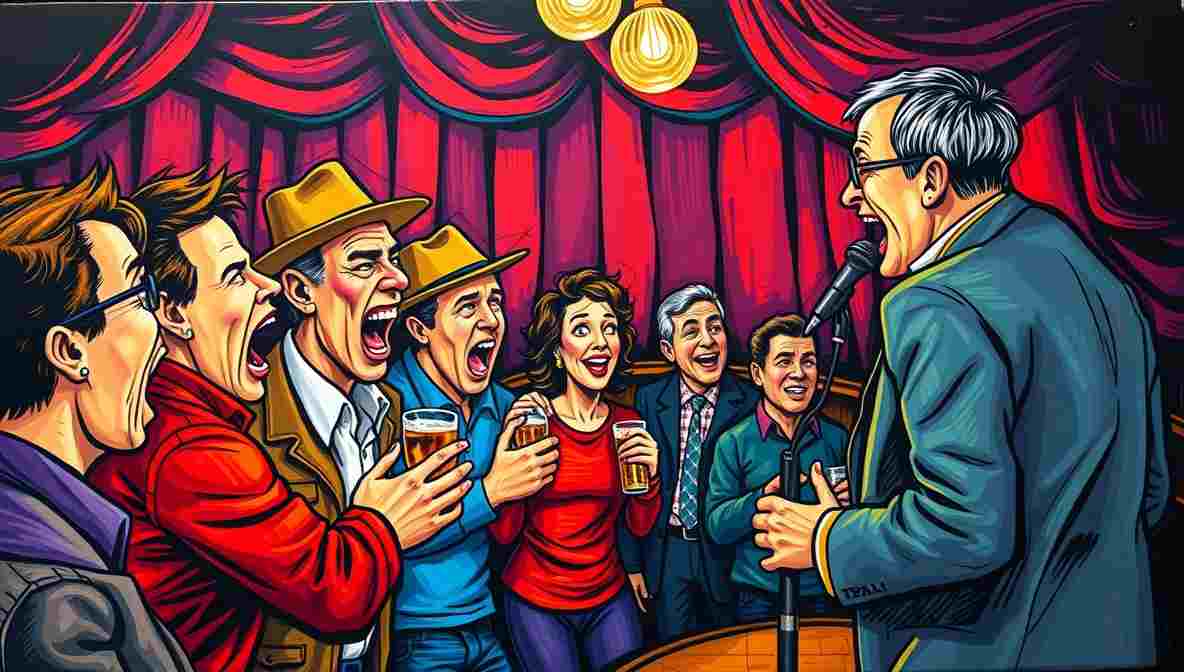
London comedy clubs have cultivated a unique relationship with heckling—the practice of audience members interrupting performances with unwanted commentary, creating an adversarial dynamic that either enhances or destroys shows depending on the comedian’s skill, the heckler’s wit, and the audience’s tolerance for conflict. This tradition, stretching from Victorian music halls to modern comedy clubs, represents British comedy’s democratic spirit: anyone can perform, and anyone can tell them they’re shite, creating egalitarian chaos that’s either essential audience participation or annoying distraction, depending on which side of the microphone you occupy.
The Music Hall Origins: When Heckling Was Expected

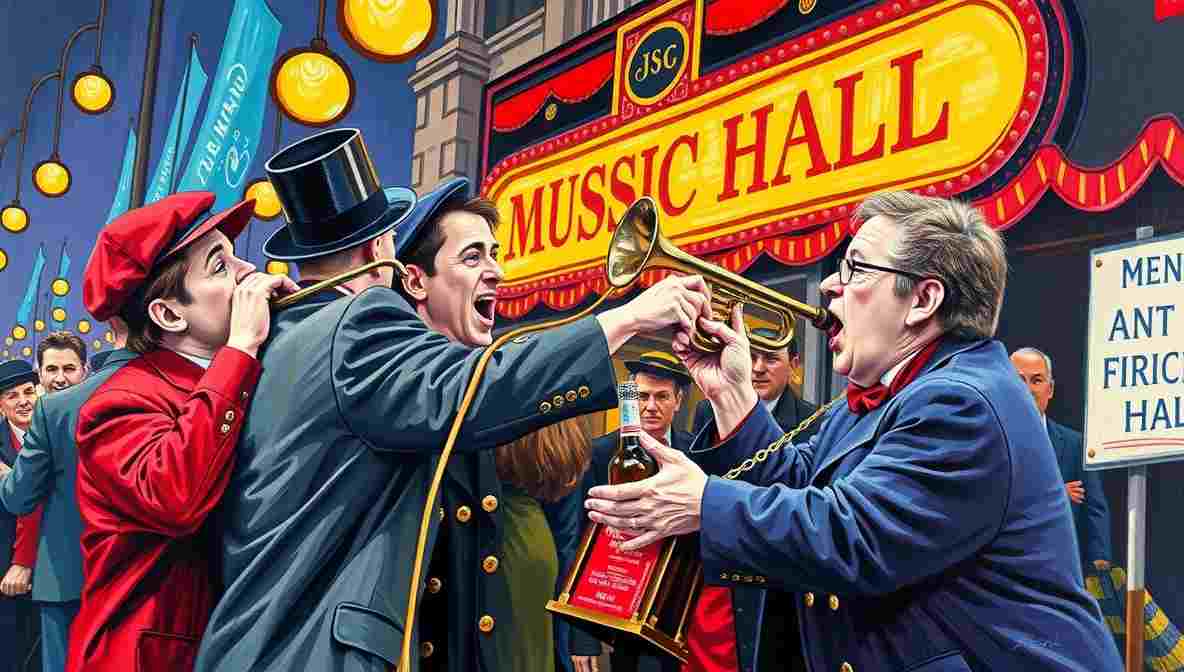
Victorian music halls operated as raucous venues where audiences drank, ate, and treated performances as background entertainment rather than sacred art requiring silence. Heckling wasn’t disruption but expected interaction—performers anticipated audience commentary and developed skills to handle it, creating dynamic where show’s success depended on managing drunk crowds who paid for admission but not necessarily attention.
Music hall performers like Dan Leno and Marie Lloyd mastered the art of heckle management, developing quick responses that either silenced interruptions or incorporated them into performances. Lloyd famously responded to a heckler calling her old with “I may be old, love, but I can still pull a crowd—can you?” establishing the principle that good heckle put-downs should be devastating yet entertaining, destroying the heckler while amusing everyone else.
The Class Dynamic of Victorian Heckling
Music hall heckling reflected class tensions—working-class audiences asserting their right to comment on entertainment they’d paid for, refusing passive consumption demanded by middle-class theatre etiquette. This democratic chaos either made music halls vibrant community spaces or terrible places to perform, probably both, but established British comedy’s relationship with audience participation: we expect it, tolerate it, and occasionally celebrate it, unlike more refined cultures that find it appalling.
The Comedy Store Revolution: American Format, British Interruptions
When The Comedy Store opened in 1979, importing American stand-up format to London, it faced immediate British modification: audiences accustomed to music hall tradition treated performers as conversation partners rather than solo performers, creating hybrid where American-style stand-up met British heckling culture. The result: comedy shows that could either soar to heights of brilliant repartee or descend into verbal warfare, depending on night, comedian, and alcohol consumption levels.
The Store’s famous late shows became testing grounds for heckle management, with comedians learning to handle interruptions or failing spectacularly. This environment created generation of British comics skilled at crowd work and heckle put-downs, transforming potential disruption into performance element. The best comics made heckling seem planned; the worst died on stage while drunk audiences enjoyed their suffering—Darwin’s theory of comedy evolution in action.
The Gong Show: Audience Becomes Executioner
The Comedy Store’s gong show elevated audience participation to institutional level—giving crowds power to end performances by banging gong, transforming heckling from individual interruption into collective judgment. This formalized British comedy’s adversarial nature, creating environment where audiences explicitly held power over performers, who either survived trial by fire or got gonged into obscurity. Democracy at its finest, or most brutal, depending on perspective.
Types of Hecklers: A Taxonomy of Terrible

London comedy clubs host diverse heckler species, each requiring different management strategies:
- The Drunk Wit: Believes alcohol has enhanced rather than destroyed their humor, shouts “observations” that seemed brilliant three pints ago but sound incoherent to sober listeners. Occasionally lands genuinely funny heckle, more often derails show while friends laugh politely.
- The Attention Seeker: Doesn’t care about content, just wants spotlight. Shouts anything to get comedian’s attention, then continues talking when addressed, creating awkward back-and-forth that entertains no one except themselves. Every comedian’s nightmare, every venue’s problem child.
- The Genuine Conversationalist: Misunderstands comedy show format as dialogue, treats comedian’s observations as discussion prompts requiring response. Genuinely confused when told to shut up, believes they’re participating helpfully. Often American tourists unfamiliar with British comedy etiquette, such as it is.
- The Hostile Critic: Actively hates comedian, possibly for personal reasons, possibly because they’re drunk and angry, possibly both. Heckles designed to hurt rather than entertain, creating uncomfortable atmosphere where everyone wonders if violence might occur. Every comedian has stories; none are funny at the time.
- The Rare Brilliant Heckler: Occasionally, hecklers produce genuinely funny interruptions that improve shows—witty observations that build on comedian’s material rather than derailing it, timed perfectly, and delivered with enough skill that even the comedian laughs. These moments are rare enough to be celebrated, creating legendary stories that circulate the comedy community while conveniently forgetting the thousands of terrible heckles that preceded and followed them.
Famous Heckle Put-Downs: The Hall of Fame
British comedy cherishes legendary heckle responses, passed down like oral tradition: **Jimmy Carr** to a heckler shouting “You’re shit!”: “If you’re so good at comedy, why don’t you do this for a living? Oh wait, you’re not, because you’re heckling.” **Bill Hicks** to persistent heckler: “Hitler had the right idea, he was just an underachiever.” (Delivered with such venom that the heckler left, creating silence so uncomfortable Hicks had to rebuild show from scratch.) **Johnny Vegas** to heckler: “I admire your confidence, mate. I couldn’t shout random words at a stranger and think it was contributing.” (Delivered while in character as confused, slightly hurt performer, making heckler feel genuinely bad.)
These put-downs serve dual purpose: destroying heckler while warning others against attempting similar disruption. The best responses make audiences laugh at heckler rather than with them, creating social pressure that maintains order without venue security intervening—democracy through mockery, essentially.
The Ethics of Heckling: When Is It Acceptable?

British comedy culture maintains uncomfortable relationship with heckling ethics. Traditional view holds that heckling is part of live comedy experience—audiences have right to respond, creating dynamic interaction that separates live performance from recorded content. Modern view suggests heckling disrupts shows other audience members paid to see, making it selfish behavior that should be discouraged.
Compromise position: clever, well-timed heckles that enhance shows are acceptable; drunken shouting that derails performances is not. Problem: drunk hecklers can’t tell the difference, believing their interruptions are always the former while being universally the latter. This creates perpetual tension in comedy clubs between freedom to participate and obligation to shut up, never fully resolved because resolving it would require British people to agree on something, which hasn’t happened since 1066.
The Comedian’s Dilemma
Comedians face impossible choice when heckled: ignore it and appear weak, engage and risk losing show momentum, destroy heckler and seem cruel. The “correct” response varies by context—what works in rowdy club fails in theatre, what works for edgy comic fails for family-friendly performer. British comics must calibrate responses constantly, reading rooms, gauging audiences, and deciding whether particular interruption deserves acknowledgment or strategic ignorance.
Heckling in the #MeToo Era: When Dynamics Shift
Modern comedy faces new heckling complications: male audience members heckling female comedians with sexist content, creating situations where traditional put-down escalates rather than resolves tension. Female comics navigate this by either ignoring (appearing weak), responding (risking sexist backlash), or getting security involved (appearing unable to handle audiences). No option is perfect; all reveal that heckling tradition developed in male-dominated environment where power dynamics favored performers now seems less benign when examined critically.
Similarly, comedy clubs increasingly recognize that drunken heckling creates hostile environments for diverse performers and audiences, leading to stricter policies about interruptions. This either protects comedy from its worst impulses or sanitizes art form that thrived on chaos, depending on whether you value accessibility over tradition—debate Britain will continue having until heat death of universe or closing of last comedy club, whichever comes first.
The Edinburgh Fringe: Heckling Goes International
The Edinburgh Festival Fringe imports international comedy culture to Britain, creating clash between British heckling acceptance and other countries’ expectations of silence. American comedians performing in Edinburgh express shock at audience interruptions; British comedians performing in America get confused by complete silence, waiting for heckling that never comes. This cultural exchange either enriches both comedy traditions or creates mutual incomprehension, probably both.
Fringe also democratizes heckling by giving international audiences permission to interrupt shows, spreading British tradition globally. Whether this is cultural contribution or cultural contamination remains debated, with comedians from non-heckling cultures developing new skills while resenting necessity to do so.
The Future of Heckling: Digital Disruption

Social media created new heckling opportunities: live-tweeting shows, posting during performances, recording clips without context. This digital heckling lacks face-to-face accountability of traditional interruptions, allowing anonymous criticism without risk of devastating put-down. Comedians increasingly ban phones from shows, protecting performances from digital disruption while also preventing organic viral moments that could boost careers—classic catch-22 where solution creates new problems.
Younger audiences raised on controlled digital interaction show less tolerance for in-person heckling, viewing it as rude rather than participatory. This generational shift might finally end British heckling tradition, creating comedy environment where audiences stay silent like civilized humans instead of shouting random observations like our ancestors. Whether this represents progress or loss of unique cultural element will be debated by people who care about such things while everyone else just wants to enjoy shows without drunk people yelling.
Why Heckling Persists Despite Everyone Hating It
Heckling survives because small percentage of interruptions genuinely improve shows, creating legendary moments that justify tolerating thousands of terrible interruptions. It’s lottery thinking applied to comedy—occasional brilliant heckle makes participants believe their interruptions might be special, ignoring statistical reality that they’re almost certainly annoying everyone.
British comedy’s relationship with heckling also reflects cultural values: preference for authentic interaction over performative perfection, appreciation for chaos over control, and belief that comedy clubs should feel alive and unpredictable rather than sterile and scripted. These values either make British comedy vibrant and engaging or frustrating and amateurish, depending on whether you’re trying to perform or just trying to enjoy a show without someone shouting about their job in marketing.
The Heckling Paradox: Everyone’s Been Both Sides
Most people who’ve attended multiple comedy shows have experienced being both irritated by hecklers and tempted to heckle themselves—understanding intellectually that interrupting is wrong while feeling viscerally that their observation absolutely must be shared immediately. This paradox explains heckling’s persistence: we know it’s annoying when others do it but believe our contributions would be different, better, worthy of exception.
The truth: they’re not. Your heckle isn’t cleverer than you think; it’s drunker. The comedian isn’t waiting for your input; they’re praying you’ll shut up. The audience isn’t on your side; they’re collectively wishing you’d been seated elsewhere. But you probably won’t heckle anyway—most people have enough self-control to enjoy shows silently, recognizing that comedy clubs are performances not conversations, entertainment not arguments. And for those who can’t make that distinction, there’s always the gong show, where heckling is institutionalized and your terrible judgment at least serves entertainment purpose, even if that purpose is demonstrating what not to do.
Auf Wiedersehen, amigo!


Harper Thames is a comedic writer exploring modern life through irony and subtle exaggeration. Rooted in student perspectives and London’s cultural landscape, Harper’s work focuses on relatable humour grounded in everyday experience.
Expertise is developed through writing practice and critical engagement, while authority comes from authenticity and consistency. Trust is reinforced by transparent satire and ethical humour choices.