London’s Designer Baby Clothes: Dressing Infants in Financial Ruin One Outfit at a Time
Why Mayfair mothers drop £800 on cashmere onesies that will be destroyed in three weeks
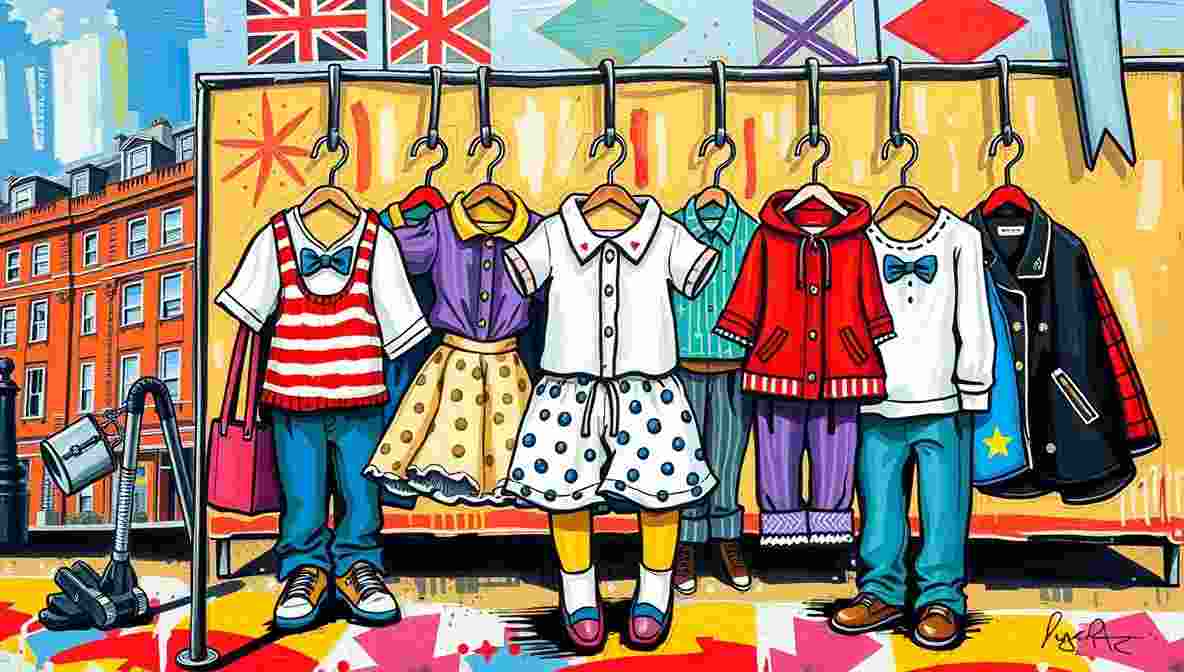
The London luxury baby clothing market is a phenomenon that defies basic parenting logic. While newborns cannot distinguish between a Babygro from Tesco and a hand-stitched Burberry ensemble, London’s affluent classes continue to invest thousands in designer infant wear. The global designer baby clothing market has experienced consistent growth, with luxury brands like Gucci, Prada, and Fendi now offering full collections for children who spend most of their time sleeping, eating, and experiencing explosive nappy incidents. This isn’t about practicality—it’s about projecting social status through a being who will vomit on it within the hour.
The Absurd Economics of Baby Designer Fashion
When you consider that designer baby clothes serve approximately three functions—looking expensive, getting destroyed, and creating conversations at Notting Hill playgroups—the financial logic crumbles instantly. A single designer onesie in London can cost more than a month’s supply of regular clothing that actually fits. Romesh Ranganathan once observed that “buying designer clothes for babies is the ultimate con—you’re literally paying thousands for something a tiny human will wear while pooing themselves,” and he wasn’t wrong.
The fundamental problem with designer baby fashion is that it operates on timelines that would bankrupt even moderately wealthy parents. Babies grow approximately one inch per month. Growth sprints can render a £1,200 outfit unwearable in weeks. Most parents of newborns realize within three days that their infant requires approximately forty outfit changes daily. The designer baby clothing industry has transformed this universal parenting challenge into a status symbol machine.
The Unspoken Rules of London’s Baby Fashion Elite
London’s Mayfair and Chelsea set have developed an intricate hierarchy of infant dressing that would baffle anyone outside their social circles. There are rules about which designer brands signal genuine wealth versus merely pretending, which boutiques are acceptable for purchasing baby garments, and which color palettes demonstrate appropriate aesthetic sensibility. Wearing a regular high-street baby outfit to an exclusive parent-and-baby yoga session in Chelsea is apparently akin to wearing tracksuits to a black-tie gala.
Katherine Ryan, discussing parental absurdity, noted that “in London, judging parents by their baby’s clothes has become a legitimate hobby for people with too much money and too little self-awareness.” The observation rings particularly true in postcodes where a designer baby grows from newborn to rolling-over-independently stage and requires essentially an entirely new wardrobe. That’s not fashion—that’s commercial manipulation dressed in cashmere.
Designer Brands: Creating Need Where None Exists
Gucci produces baby clothing in sizes that last roughly six weeks per outfit. Prada has designed infant wear in materials that would be completely impractical for actual child-rearing. Fendi offers newborn accessories that cost more than a car payment. These aren’t brands addressing parenting needs; they’re luxury goods manufacturers who discovered that wealthy parents will spend irrationally to signal status through their children’s appearance.
Lee Mack, on the subject of parental spending habits, stated that “designer baby clothes are what wealthy people buy when they need to feel important about themselves but can’t actually do anything important.” The observation perfectly captures the psychological mechanism driving London’s designer baby fashion obsession. It’s not about the infant—it’s about what the infant represents to the people changing their nappies.
The Environmental Waste Nobody Talks About
Because designer baby clothes are worn for such brief periods, the environmental impact exceeds that of regular childhood clothing by substantial margins. A child can wear a £20 outfit from a high-street retailer through multiple seasons, multiple children, and substantial abuse. A designer item becomes waste after weeks of use. London’s wealthy are essentially converting cash directly into textile landfill, then bragging about it at private schools they’ve placed deposits for.
The luxury fashion industry’s lack of accountability for this waste creates a peculiar situation where the people with the most resources to make environmentally responsible choices instead make the most damaging ones. Burberry, which produced designer baby clothing, has been caught repeatedly destroying unsold inventory rather than discounting it—a practice that extends to items outgrown almost immediately by London’s elite infants.
The Nappy Incident Problem
Any parent with functional brain cells understands that babies are biological waste-production machines. Blowouts happen. Explosive incidents occur. Spit-up emerges at random intervals. A designer onesie will meet its first nappy disaster within approximately four days of purchase. Investing £400 in something specifically designed to be destroyed by infant bodily functions represents a level of self-deception that requires serious psychological examination.
Russell Howard observed that “parents who buy designer baby clothes are essentially paying premium prices to fund their own disappointment,” which captures the inevitable moment when a £600 outfit becomes a biological hazard that requires immediate disposal. There’s no amount of dry cleaning that removes the stain of wasted money along with the literal stains.
The Playgroup Pressure Economy
One significant driver of designer baby clothing purchases is the psychological pressure created by London’s exclusive playgroups, classes, and parent-baby social gatherings. Being seen with a child in non-designer wear signals, in the minds of certain London parents, a lack of resources or commitment to social performance. The playgroup becomes a fashion show for children too young to care or even observe their own clothing.
Sara Pascoe commented that “judging other parents’ parenting through their baby’s wardrobe is what we do instead of examining our own parenting choices,” which explains precisely why designer baby fashion persists despite being economically irrational. It provides cover for deeper insecurities by channeling them into retail therapy.
The Speed of Growth: A Financial Hemorrhage
Between birth and one year of age, a child can move through four to five complete size changes. A designer wardrobe for an infant requires quarterly replacement cycles at minimum. Calculate this: if a London parent invests £5,000 in designer baby clothing for their newborn’s first year, they’re essentially burning money at a rate that would horrify them if applied to any other purchase category. That same £5,000 in regular clothing would provide a child with essentially unlimited options for the same period.
Jon Richardson observed that “buying expensive baby clothes is what parents do when they’ve confused being a parent with being a brand representative,” and the observation encapsulates the essential absurdity. The child is not a mini-version of the parent’s image—the child is a growing human who needs functional clothing that can survive repeated washing, staining, and the inevitable biological incidents of infancy.
The Vintage Designer Resale Market: Where Pretending Continues Online
Because designer baby clothing is worn so briefly before being outgrown, a significant secondary market exists for pre-worn designer items. Parents who initially invested thousands can recoup perhaps 40-60% of their investment, which doesn’t account for the actual loss—it merely makes the loss feel more palatable. This creates an entire economy of people convincing themselves that designer purchases were clever investments rather than status displays.
Rob Brydon, discussing second-hand fashion markets, noted that “selling your baby’s barely-worn designer outfit online is just public admission that you made a terrible financial decision,” and he’s fundamentally correct. The secondary market doesn’t justify the primary purchase; it merely provides a psychological escape valve for parental regret.
The Exclusivity Myth: Everyone’s Buying the Same Stuff
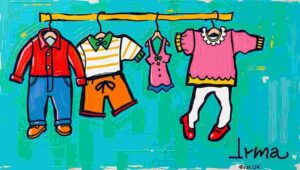
London parents convince themselves that designer baby clothing purchases represent exclusive, unique choices that differentiate their child from other infants. The reality is that Gucci newborns all wear similar-looking clothing, as do Prada babies and Fendi infants. The exclusivity is an illusion created by price point, not genuine individuality. Multiple children at Chelsea playgroups wearing essentially identical designer outfits defeats the entire purpose of exclusivity.
David Baddiel stated that “luxury brands have perfected the art of making people pay more for less originality,” and this observation applies perfectly to designer baby clothing. The parent isn’t buying unique expression—they’re buying membership in a club that primarily consists of people wearing the same things everyone else with money is wearing.
Lessons Learned: Understanding Designer Baby Clothing Through Rational Economics
The designer baby clothing phenomenon reveals something important about parental psychology, social pressure, and consumer behavior. For students of economics and business, this market demonstrates how luxury brands create desire where functionality already exists. Babies don’t need designer clothing—they need clean, safe, appropriately-sized garments that can survive staining and washing.
The actual lesson isn’t about judging parents who make these purchases; it’s about understanding how consumer psychology operates at the intersection of parental anxiety, social pressure, and brand positioning. The designer baby clothes market doesn’t exist because infants benefit from expensive clothing. It exists because wealthy parents in London experience social pressure to display status through their children, and luxury brands have masterfully positioned themselves as the vehicle for this display.
Students of business should recognize this as a brilliant market strategy—identifying an existing consumer vulnerability (parental status anxiety) and creating a product category that addresses it, regardless of whether the product serves any actual functional purpose. The emotional satisfaction of purchase exceeds the rational evaluation of value, which is precisely how luxury markets operate.
For prospective parents, the practical takeaway should be straightforward: babies neither know nor care what they’re wearing. Invest in functional, durable, machine-washable clothing from any reputable retailer. Redirect designer-price-point spending toward investments that actually benefit your child’s development, education, or future. Status signaling through infant wear is expensive self-deception dressed in cashmere.
The real irony? The actual wealthy people have figured this out. Children of genuinely wealthy families often wear regular clothing because their parents have transcended the need to prove anything through retail choices. It’s the aspirationally wealthy who drive the designer baby clothing market, which means they’re spending money they don’t actually have to impress people they don’t actually like.
Related Resources
The Children’s Place: Children’s Fashion Guide – Understanding practical children’s clothing across price points
Sustainable Fashion Matterz: Children’s Sustainable Clothing – Environmental impact of fast-cycle children’s wear
Investopedia: Children’s Consumer Behavior – Psychological mechanisms of parental purchasing decisions
Forbes: Luxury Brand Psychology – How luxury positioning creates artificial demand
Auf Wiedersehen, amigo!

Alan Nafzger was born in Lubbock, Texas, the son Swiss immigrants. He grew up on a dairy in Windthorst, north central Texas. He earned degrees from Midwestern State University (B.A. 1985) and Texas State University (M.A. 1987). University College Dublin (Ph.D. 1991). Dr. Nafzger has entertained and educated young people in Texas colleges for 37 years. Nafzger is best known for his dark novels and experimental screenwriting. His best know scripts to date are Lenin’s Body, produced in Russia by A-Media and Sea and Sky produced in The Philippines in the Tagalog language. In 1986, Nafzger wrote the iconic feminist western novel, Gina of Quitaque. Contact: editor@prat.uk