Thames Comedy Cruises: Where Humor and Seasickness Collide
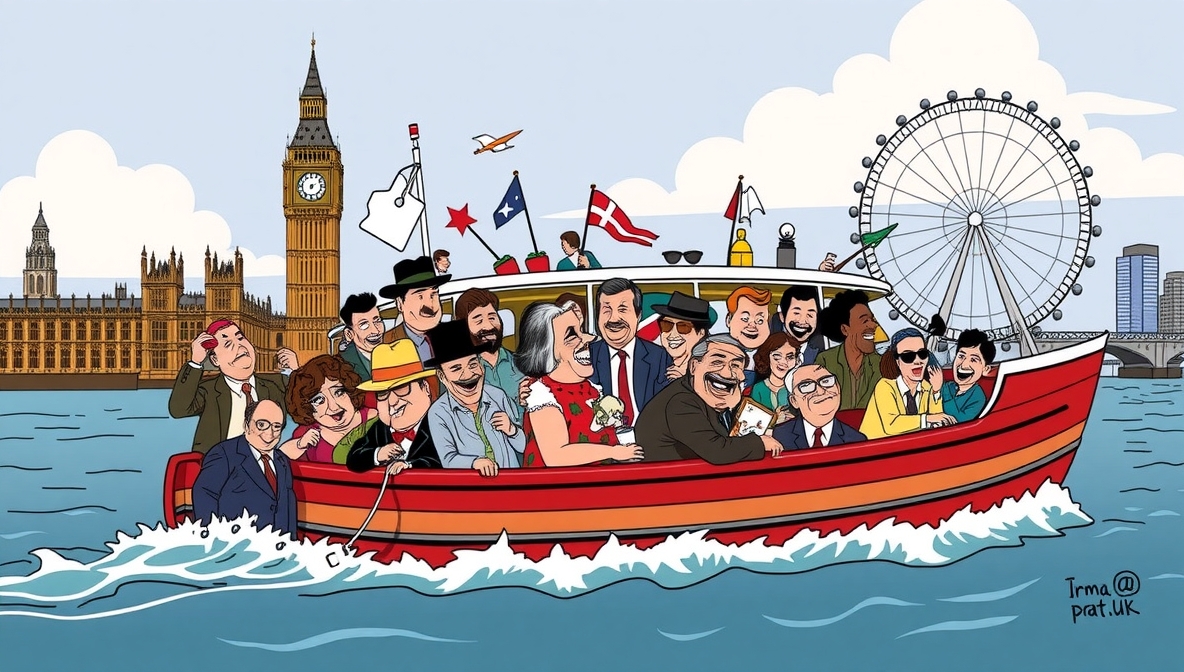
Stand-up comedy on the River Thames combines two things that individually make sense but together create inexplicable chaos: jokes and boats. Multiple operators offer comedy cruises where audiences board vessels, sail past London landmarks, and watch comedians perform while everyone pretends the rocking motion isn’t affecting concentration. It’s entertainment meets maritime law, with results that vary from delightful to nautically disastrous.
The Concept: Comedy Meets Maritime Adventure
Comedy cruises promise unique entertainment experiences that combine standup with sightseeing. You’ll see Tower Bridge! The Houses of Parliament! Comedians struggling to maintain balance while delivering punchlines! It’s tourism and entertainment fused into one package that sounds brilliant until you’re actually on a boat watching someone bomb while Tower Bridge looms behind them.
“Performing on a boat is like regular comedy but with added nausea—yours and the audience’s,” said Milton Jones, who’s experienced maritime standup repeatedly.
The Venues: Floating Inconsistency
Comedy cruise boats range from proper river cruisers with stabilizers to sketchy vessels that probably shouldn’t carry passengers, let alone paying audiences expecting entertainment. Some operators provide professional sound systems; others offer one handheld microphone and hope. The variance in quality means each cruise is either delightful adventure or regrettable decision, with no way to predict which until you’re already on the water.
“I’ve performed on Thames boats that were nicer than actual comedy clubs and boats that made me question my insurance coverage,” said Ed Gamble, who’s seen both extremes.
The boats typically hold 50-150 passengers seated at tables, creating atmosphere somewhere between dinner cruise and floating pub. Most operators serve drinks, because watching comedy while slightly drunk makes both the jokes and the rocking motion more tolerable. It’s responsible event planning disguised as hospitality services.
“Thames comedy cruises discovered that alcohol solves both comedy problems and seasickness problems simultaneously,” said Nish Kumar, who appreciates efficient solutions.
The Performers: Nautical Adaptation Skills
Comedians performing on boats develop specialized skills that landlocked performers never need. They learn to adjust timing for engine noise. They compensate for rocking motions that throw off physical comedy. They cope with audiences divided between watching the performer and watching the passing scenery. It’s standup as multitasking exercise, requiring abilities normal comedy venues never test.
“Boat comedy taught me that maintaining balance while delivering punchlines is an undervalued skill,” said Katherine Ryan, who’s mastered the technique.
The Sound System: Competing With Engines and Seagulls
Thames boat sound systems fight constant battles against engine noise, river traffic, and aggressive seagulls who apparently hate comedy. Performers speak louder than usual, hoping their voices carry over mechanical interference and aquatic ambient noise. Some boats provide excellent audio; others provide one speaker and optimism. The variance means comedians never know whether they’re properly amplified until midway through their set when it’s too late to adjust.
“I’ve been outshouted by boat engines, seagulls, and passing tourist vessels—sometimes simultaneously,” said James Acaster, who’s fought all three.
The physical setup challenges traditional comedy dynamics. Some boats seat audiences on multiple levels, creating sightline problems that would horrify theatrical designers. Others squeeze everyone into one room with pillars strategically placed to block views. A few offer outdoor stages where wind, weather, and passing helicopter noise create additional chaos. It’s venue design as obstacle course, testing whether comedy can survive deliberate impediments.
“Thames boats are designed by people who’ve never watched standup comedy and it shows,” said Fern Brady, who’s noticed the architectural failures.
The Audience: Divided Attention Spans
Comedy cruise audiences face impossible choices: watch the comedian or watch London passing by. Most attempt both, resulting in divided attention that frustrates performers who’ve prepared carefully timed material only to have punchlines land while audiences stare at Westminster. It’s the only comedy format where scenery competes directly with jokes for attention.
“Performing on the Thames means competing with the entire city of London for audience focus—it’s humbling,” said Romesh Ranganathan, who’s lost this competition repeatedly.
The Sightseeing Problem: When Landmarks Upstage Comedy
Boats pass famous landmarks during shows, creating moments when every audience member simultaneously ignores the comedian to photograph Tower Bridge. Performers handle this differently: some pause for photos, some compete louder, some make jokes about being upstaged by Victorian architecture. None of these strategies fully solve the problem that London’s skyline is objectively more impressive than most comedy sets.
“I’ve been upstaged by buildings—plural, buildings—that’s the Thames comedy experience,” said Sara Pascoe, who’s accepted this reality.
The landmark timing varies depending on traffic, tide, and whether the boat captain prioritizes schedule or comedy performance. Some captains coordinate with comedians, timing landmarks for natural breaks. Others pilot independently, creating situations where the comedian’s emotional climax coincides with passing the O2, and everyone’s looking the wrong direction. It’s collaborative failure between maritime and entertainment industries.
“Thames boat captains either love comedy or destroy it—there’s no middle ground,” said Suzi Ruffell, who’s experienced both types.
The Motion: When Physics Attacks Comedy
The Thames isn’t particularly rough water, but boats still move in ways that affect both performers and audiences. Comedians adjust their physical comedy, learning which movements work while rocking and which guarantee falling over. Audiences cope with mild seasickness while pretending they’re fine, because admitting nausea feels like admitting defeat against a relatively calm river.
“Thames motion isn’t dramatic until you’re trying to deliver a joke that requires standing still—then it’s very dramatic,” said Dane Baptiste, who’s fallen over more than once.
The Seasickness Factor: Optional but Frequent
Some audience members discover they’re prone to seasickness approximately 20 minutes into two-hour cruises. Venues handle this through strategic bar placement, access to open decks, and hoping people who feel terrible just power through it. Most do, creating audiences partially focused on comedy and partially focused on not vomiting. It’s the only entertainment format where success includes “nobody threw up” as achievement.
“I’ve watched audience members turn visibly green during my set—really boosts confidence about your material,” said Tom Allen, who’s witnessed this repeatedly.
The Logistics: When Everything Goes Wrong
Thames comedy cruises involve complex logistics that create infinite failure opportunities. Boats must depart on time regardless of ticket holder arrival. Sound systems malfunction in ways they’d never malfunction on land. The bar runs out of specific drinks, disappointing paying customers who’ve already boarded. Weather changes mid-cruise, forcing everyone indoors and destroying spatial planning. It’s event organization as chaos management, requiring skills beyond normal comedy promotion.
“Thames comedy logistics are so complex that when shows go well it feels like magic,” said Russell Howard, who appreciates successful coordination.
The Weather Wildcard: Britain’s Favorite Variable
British weather ensures comedy cruises never know whether they’ll be pleasant evening entertainment or emergency shelter from unexpected rain. Some boats provide covered areas; others offer minimal protection and hope. Audiences dress for “nice evening” and get “Thames valley microclimate” instead, creating discomfort that affects comedy reception in measurable ways.
“I’ve performed in sudden rainstorms, unexpected cold, and once a brief hailstorm—the Thames offers variety,” said Phil Wang, who’s weathered literal storms.
The Verdict: Does Humor Float?
Thames comedy cruises work when everything aligns: good weather, functioning equipment, engaged audiences, and landmarks timing correctly. When this happens, it’s genuinely magical—comedy with moving scenery that enhances rather than distracts. When it doesn’t align, it’s uncomfortable entertainment where everyone politely pretends they’re having fun while secretly planning never to board boats again.
“Thames comedy at its best beats land-based venues—at its worst, it makes you appreciate floors that don’t move,” said Maisie Adam, who’s experienced both extremes.
The Tourist Appeal: Novelty Justifies Everything
Comedy cruises succeed primarily through novelty—they’re different enough from normal comedy that audiences forgive imperfections. Tourists love them because they combine two activities efficiently. Locals appreciate them as unusual date nights. The format’s strangeness becomes selling point rather than liability, proving that sometimes being weird matters more than being perfect.
“People remember Thames comedy cruises forever—sometimes because they were brilliant, sometimes because they were disasters, but they remember,” said Rosie Jones, who values memorability.
Stand-up comedy on Thames boats represents peak British entertainment innovation: taking something that works perfectly well on land and putting it on water to see what happens. The results vary wildly, from transcendent comedy experiences to nautical disasters where everyone leaves slightly traumatized but with good stories. Does humor float on the Thames? Sometimes brilliantly, sometimes disastrously, but always memorably. It’s comedy gambling where the stakes are audience comfort and performer dignity, with the Thames itself serving as unpredictable judge. The format continues because enough cruises work well enough to justify the ones that don’t, which is optimism applied to maritime entertainment. Whether that’s brilliant or insane depends entirely on whether you’re currently on a boat watching comedy or safely on land reading about it.
Auf Wiedersehen, amigo!

Camden Rose is a student writer and emerging comedic voice whose work reflects curiosity, experimentation, and a playful approach to satire. Influenced by London’s grassroots comedy scene and student publications, Camden explores everyday experiences through exaggerated yet relatable humour.
Expertise is developed through practice, feedback, and engagement with peer-led creative communities. Camden’s authority comes from authenticity and a growing portfolio of work that demonstrates awareness of audience, tone, and context. Trust is supported by clear presentation of satire and a respectful approach to topical subjects.
Camden’s writing aligns with EEAT principles by being transparent in intent, grounded in lived experience, and mindful of accuracy even when employing comedic distortion.