
Is “Prat” Offensive? A Linguistic and Cultural Deep Dive into British Slang
The Great Transatlantic Misunderstanding
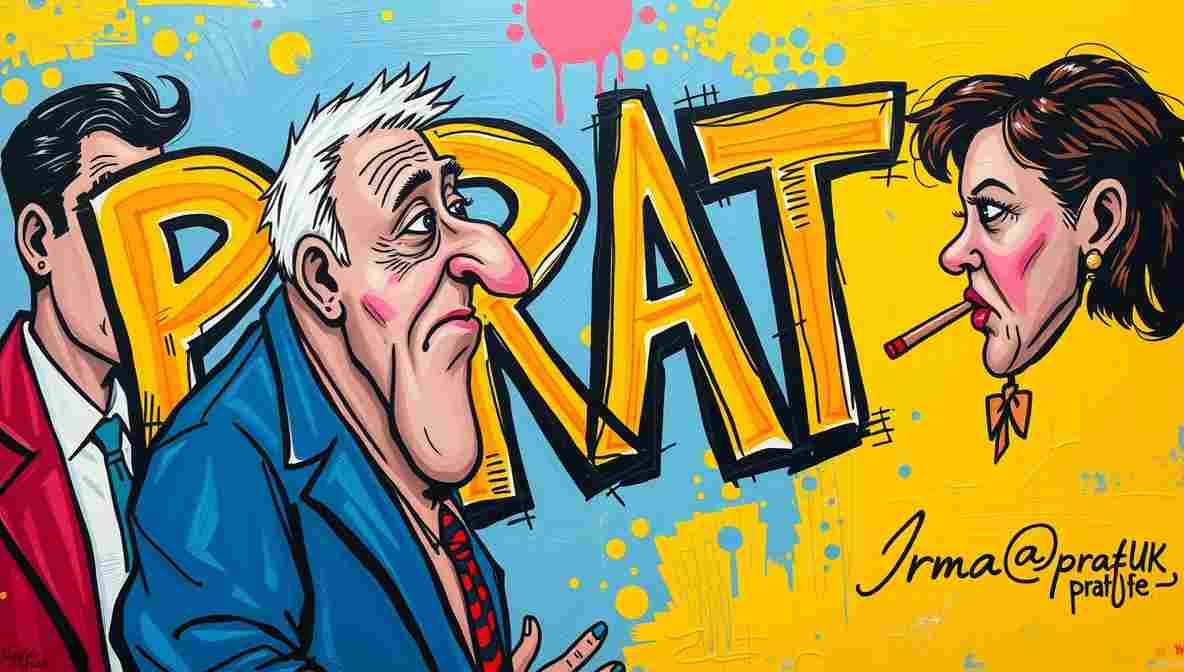
“You absolute prat!” shouts a frustrated Londoner at a tourist who’s walked into the wrong carriage on the Tube. In response, the American traveller blanches, deeply offended, imagining they’ve been subjected to the verbal equivalent of a nuclear warhead. Meanwhile, the actual Londoner has barely registered that they’ve been insulting at all—they’ve simply identified a fool in everyday conversational shorthand. It’s rather like an American calling someone “buddy” and the recipient filing a formal complaint with HR.
This peculiar gap between perception and intent lies at the heart of whether “prat” is actually offensive. The answer, like most questions about English language dynamics, is more nuanced than a simple yes or no. It depends on context, culture, intent, and whether you understand that British insults operate on a completely different scale than their American counterparts—roughly the same scale difference as a London drizzle versus a hurricane.
Etymology: From Buttocks to Buffoon (A Journey Nobody Planned)
To understand the offensive potential of “prat,” we must first understand where it came from. The word appears in English criminal slang as early as the 1560s, originally referring to the buttocks. By the early 17th century, Thomas Dekker’s The Belman of London documented the term in use, defining “pratt” as precisely that anatomical feature. Apparently, in the 1560s, people were far more interested in insulting each other’s posteriors than in any productive activity.
The connection between buttocks and foolishness is hardly unique to English. According to etymological research, many languages conflate physical backsides with mental incompetence—consider the American “asshole” or the Irish use of similar anatomical references. The logic is straightforward: a posterior is something you sit on, suggesting your brain isn’t doing much thinking. Body-part insults carry a primal, physical humour that transcends sophisticated vocabulary. It’s the linguistic equivalent of pointing at someone and laughing—but with more consonants.
By the 1920s, the term had evolved further. The American vaudeville world birthed “pratfall”—a comedic fall specifically onto one’s behind. This theatrical terminology cemented the association between “prat” and physical comedy, which would eventually extend to general foolishness rather than specifically physical anatomy. Essentially, vaudeville comedians fell on their arses so often that the British decided to name all foolish people after the performance.
The British slang sense—describing a contemptible, incompetent, or foolish person—didn’t solidify until the 1960s and became mainstream through the 1980s. This forty-year delay between the buttocks meaning and the fool meaning is crucial: by the time “prat” entered British popular vocabulary as an insult, most people had completely forgotten the anatomical origins. Which is probably for the best.
The Offensive Scale: Britain vs. America (A Terrifying Chasm)
Here’s the essential truth Americans often miss about British insults: they operate on an entirely different scale of severity. If you’re accustomed to American English, you might assume “prat” is roughly equivalent to calling someone a “jerk” or “asshole.” You’d be significantly overstating the offensiveness. It’s like assuming a British person is angry because they said “rather” sarcastically.
In British English, “prat” occupies a peculiar middle ground. It’s sharp enough to sting, but gentle enough that a parent might use it to scold a child for doing something silly. A teenager might call their friend a “prat” in the way Americans might say “you dumbass”—with genuine annoyance, but without expecting a full reconciliation conversation afterwards. According to Oxford dictionaries, it remains decidedly informal and mildly rude—emphasis on “mildly.”
This is partly because British culture has developed an extraordinary vocabulary for insults, creating a hierarchy of severity. The hierarchy, as documented by BBC Culture, looks something like this:
Mild: prat, pillock, muppet, numpty, plonker
Moderate: tosser, knob, tit, wally
Strong: bellend, dickhead, arsehole, git
Severe and Vulgar: cunt (the most offensive word in British English, reserved for genuine hatred and heating your tea)
By this standard, “prat” sits in the very bottom tier. It’s the insult equivalent of a gentle elbow nudge. You can call a colleague a prat on the Tube platform and be home in time for tea without fear of genuine offense. In fact, linguistic studies consistently rank “prat” among the mildest British insults—right alongside calling someone a “numpty” or a “muppet,” terms that wouldn’t trigger a workplace tribunal.
Compare this to American culture, where the swear word hierarchy is compressed like an over-stuffed London flat. Americans use terms like “asshole” and “jerk” almost interchangeably with “prat,” suggesting that what Americans perceive as moderately offensive, Brits consider quite mild. It’s a cultural bandwidth issue. Americans are intensity-focused; Brits are nuance-obsessed.
Context, Intent, and Tone: The Holy Trinity of Insult Assessment
Whether “prat” is offensive ultimately depends entirely on context and tone—the most critical variables in any insult, according to linguistic psychology research.
In friendly banter: “You’re such a prat, you forgot to bring the umbrella in a storm” is barely an insult at all. It’s affectionate criticism wrapped in mild exasperation. Any genuine offense would be an overreaction worthy of a Victorian fainting couch. This is banter psychology at its finest—bonding through gentle mockery.
In casual criticism: “That was a prat move, mate” registers as criticism without personal attack. It criticizes behaviour rather than character (technically, though English doesn’t always make this distinction clear). It’s roughly equivalent to saying “that was rather silly of you.”
In genuine anger: “You’re a complete and utter prat” can sting, particularly if delivered with real venom. However, even then, it’s relatively restrained. A truly angry Brit usually escalates to stronger language. According to neuroscience studies on profanity, swearing intensity increases with emotional arousal—meaning if someone stops at “prat,” they’re probably still quite fond of you.
In written form: Text and email present the thorniest problem. Without tone of voice, facial expression, or the social relationship between speakers, “prat” can seem harsher than intended. A casual “you prat” in email might seem aggressive when the sender simply meant mild exasperation. This is why tone indicators have become necessary—a linguistic crutch for our emotionally illiterate digital age.
In cross-cultural settings: When a Londoner calls an American a “prat,” the American frequently misinterprets the severity. They think they’re being genuinely insulted when they’re being gently chided. Cross-cultural communication research shows this miscalibration happens constantly between British and American speakers.
The Question of Personal Status: Situational Stupidity vs. Permanent Foolishness
Interestingly, you’re far more likely to hear someone described as a “prat” if they’re behaving in a stupid, foolish, or socially awkward manner in a specific moment, rather than as a permanent character assessment. “You prat!” is situational. It means “you’ve just done something stupid.” It rarely means “you are a stupid person.” According to cognitive linguistic analysis, this distinction between momentary behaviour and character is crucial in how insults are processed.
This distinction matters tremendously. Calling someone a prat for forgetting their keys is very different from calling them a prat as a summary of their entire existence. The former is commentary on a moment; the latter would be unkind and suggest an actual falling-out. It’s the difference between “you’re being a prat” (momentary) and “you are a prat” (existential crisis territory).
Has “Prat” Become Less Offensive Over Time?
Younger generations of British speakers tend to use “prat” even more casually than their predecessors. As with many insults, once a word becomes normalized and mainstream, its sting dulls. You hear it on British radio, in comedies, and in everyday conversation among teenagers discussing their mates. The BBC, notoriously protective of language standards, now permits “prat” on daytime television—a sign that its offensive potential has diminished considerably.
The word has drifted further from its anatomical roots and settled firmly into the realm of mild verbal criticism. It’s now so domesticated that its presence on British television (even before the watershed) is barely remarkable. Entertainment media analysis confirms that “prat” appears regularly in primetime programming without controversy.
Language evolution expert Oxford University linguists note that this process—called “pejoration decay”—happens to virtually all insults. Eventually, through overuse, they lose their sting. It’s the linguistic equivalent of a joke told too many times; the punchline inevitably weakens.
The Verdict: A Measured Assessment
Is “prat” offensive? Technically yes, but not very much. It’s an insult—that’s its purpose. To claim it isn’t offensive at all would be dishonest, like claiming a London winter isn’t cold. Someone who’s been called a prat has been criticized, and the criticism carries a bit of a sting. But the sting is more like a gentle pinch than a genuine wound.
In British English, “prat” is:
• Mildly offensive (ranked lowest on the insult Richter scale)
• Situational rather than character-defining
• Suitable for casual criticism and friendly banter
• Significantly less severe than stronger British insults
• Common enough in popular culture that its shock value is minimal
For additional perspective, Britannica’s guide to British English and The Guardian’s language column both treat “prat” as a casual, mild insult rather than something genuinely offensive.
For Americans encountering the term, it helps to recalibrate expectations. When a Londoner calls you a prat, they’re not reaching for their most cutting insult. They’re expressing mild frustration. It’s roughly equivalent to calling someone “silly” with an edge. U.S. State Department cultural briefings now include guidance on British insult interpretation, which speaks volumes about the frequency of this misunderstanding.
In formal or professional settings, using “prat” would be inappropriate—not because it’s devastatingly offensive, but because insulting colleagues violates professional norms, regardless of the word choice. According to ACAS (the UK’s workplace advice service), even mild insults can create hostile work environments if used regularly, though a single “prat” wouldn’t likely trigger employment litigation.
Conclusion: The Art of British Linguistic Understatement
Language is cultural, and words carry different weights in different places. “Prat” exists in that fascinating grey zone where it’s technically an insult but practically a form of affectionate exasperation. It’s the British equivalent of playful ribbing with a sharper edge—like a friendly punch on the arm that leaves a slightly redder mark.
To understand whether a word is truly offensive requires understanding not just the word itself, but the culture that uses it, the relationships between speakers, the tone employed, and the context surrounding the usage. By those measures, “prat” is offensive in the way that a rolled eye is offensive—it’s criticism, yes, but generally not something to take terribly seriously.
If you’ve been called a prat, you’ve been mildly insulted. If you’re in Britain and someone says it in a casual, friendly tone, they probably like you well enough to criticize your foolishness directly. That’s rather British, actually—a sign of genuine relationship and the kind of comfortable familiarity where people feel safe being blunt. The truly offensive thing would be if they simply ignored your mistakes entirely and wrote you off silently. In British culture, that’s the real sting.
So next time a Londoner calls you a prat, accept it with the grace it deserves: mild embarrassment, a sheepish grin, and the knowledge that you’ve achieved a small milestone in cross-cultural communication. You’ve been insulted in the most British way possible—which is to say, barely insulted at all.