
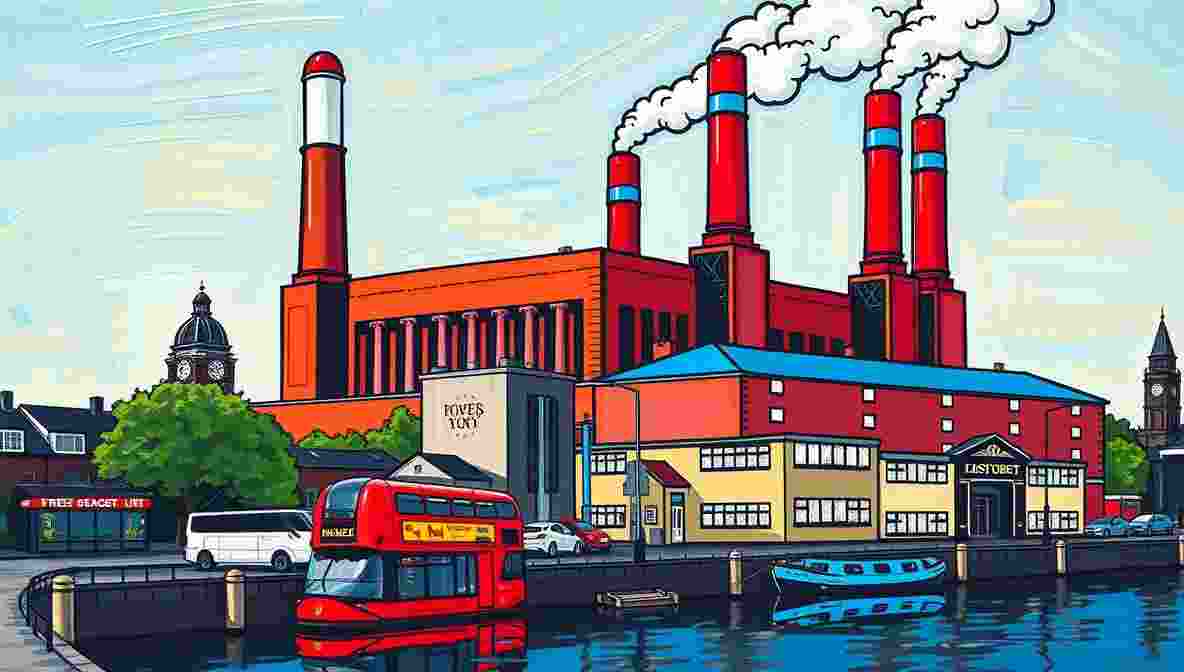
Battersea London: 14 Observations From the Capital’s Most Expensive Rebrand
Battersea, London, is not a place so much as a carefully managed vibe. Once known for its power station, dogs’ home, and a reputation for being “somewhere past Chelsea but before confusion”, Battersea has reinvented itself into a premium lifestyle experience where even the air feels privately rented.
This is an area that has survived industrial decline, regeneration, re-regeneration, and finally luxury exhaustion — and emerged smelling faintly of artisan coffee and mortgage anxiety.
Below are 14 humorous observations about Battersea, written in the spirit of satire, but anchored firmly in reality… and planning permission.
1. Battersea Is Always “Up-and-Coming,” Even When It’s Already Arrived
Battersea has been “up-and-coming” for so long that it should be legally required to pay council tax on the phrase. According to developers, Battersea is perpetually just about to peak — usually once another glass building is finished and marketed as exclusive urban living.
This cycle is well documented in regeneration schemes promoted by Wandsworth Council, whose planning pages read like aspirational fiction with diagrams
👉 https://www.wandsworth.gov.uk
2. Battersea Power Station: No Longer Producing Power, Still Generating Wealth
The Battersea Power Station redevelopment is one of London’s most ambitious regeneration projects, transforming an iconic industrial structure into luxury flats, retail space, and restaurants where the lighting is dim enough to hide prices.
Once a working power station, now a symbol of London’s ability to turn anything — even soot — into an investment opportunity. Its official transformation is proudly outlined by the Battersea Power Station Development Company
👉 https://batterseapowerstation.co.uk
The chimneys still loom, silently reminding residents that history is best appreciated once it has been monetised.
3. Everyone Owns a Dog, and Every Dog Is Emotionally Supported
Battersea has more dogs than small market towns. This feels appropriate, given the presence of the world-famous Battersea Dogs & Cats Home, an institution that predates most of the luxury flats now pretending to be heritage-adjacent
👉 https://www.battersea.org.uk
Dogs in Battersea are not pets — they are dependents. They attend cafes, parks, and meetings. Some probably have LinkedIn profiles.
4. Battersea Park Exists Primarily for Instagram Evidence
Battersea Park is genuinely beautiful. It is also used almost exclusively to prove that residents live near Battersea Park. Jogging, picnicking, and casual strolling are secondary to being photographed doing those things.
The park’s historic status and management are overseen by the Royal Parks-style municipal heritage approach, detailed by local authorities
👉 https://www.wandsworth.gov.uk/leisure-and-culture/parks-and-open-spaces/battersea-park/
5. Coffee in Battersea Is an Emotional Contract
Ordering coffee in Battersea requires confidence. A simple request can lead to follow-up questions about roast depth, milk philosophy, and personal growth. This reflects London’s wider specialty coffee boom, documented extensively by the Guardian’s food and drink coverage
👉 https://www.theguardian.com/food/coffee
Refusing oat milk is treated as a political stance.
6. “I Used to Live in Hackney” Is a Common Opening Line
Many Battersea residents speak of Hackney as a formative experience — something they survived before choosing comfort. Battersea represents maturity, calm, and the quiet satisfaction of paying more to hear less.
This demographic shift mirrors London’s broader gentrification patterns, analysed by the Office for National Statistics (ONS)
👉 https://www.ons.gov.uk
7. Every Flat Is “Luxury,” Including the Ones With Questionable Storage
In Battersea, luxury means underfloor heating, floor-to-ceiling windows, and a price tag that encourages self-reflection. Even studios are described as “well-proportioned”, which is estate-agent dialect for “you will learn to love minimalism.”
London housing affordability trends back this up, grimly, via UK House Price Index data
👉 https://www.gov.uk/government/collections/uk-house-price-index-reports
8. The Thames Is a Backdrop, Not a River
Residents admire the Thames from balconies, footpaths, and marketing materials. Interaction beyond looking is discouraged. The river is scenic, symbolic, and most importantly, something to be near rather than in.
The Thames’ role in London’s development is chronicled by the Port of London Authority
👉 https://www.pla.co.uk
9. Battersea Pretends Its Grit Never Happened
The industrial past is referenced only when it adds value. Anything genuinely rough has been carefully erased, sandblasted, or turned into exposed brick.
Historic England’s listings confirm just how selectively Battersea remembers itself
👉 https://historicengland.org.uk
10. The Northern Line Extension Is Battersea’s Crown Jewel
The arrival of the Northern Line extension is spoken of with reverence. Transport for London treats it as infrastructure; Battersea treats it as validation.
TfL’s own documentation explains the scale — and cost — of bringing the tube to Battersea
👉 https://tfl.gov.uk/travel-information/improvements-and-projects/northern-line-extension
11. Estate Agents Describe Battersea Like a Personality Trait
Property listings read less like descriptions and more like dating profiles: vibrant, exclusive, sought-after. The language mirrors trends analysed by Which? and other consumer watchdogs
👉 https://www.which.co.uk/money/mortgages-and-property
12. Battersea Is South London, But With an Asterisk
It claims South London status while quietly distancing itself from the stereotypes. Battersea wants the postcode without the postcode energy.
13. Brunch Is the Local Religion
Weekends in Battersea revolve around brunch. Sociologists could map community cohesion purely by eggs benedict density. London’s brunch obsession is a recurring subject in Time Out London
👉 https://www.timeout.com/london
14. Battersea Is London’s Midlife Crisis, Done Tastefully
Battersea is what happens when a city decides to age gracefully, invest heavily, and pretend it was always like this. It’s polished, confident, slightly defensive — and undeniably successful.
Conclusion: Battersea Works, and That’s the Joke
Battersea is not absurd by accident. It is absurd by design. It is London refining itself, charging extra, and calling it progress. And despite the satire, it’s hard to argue with the results — even if you do it quietly, over a £4.80 coffee, next to a dog with better healthcare than you.

Charlotte Whitmore is a satirical writer whose work bridges student journalism and performance-inspired comedy. Drawing from London’s literary and comedy traditions, Charlotte’s writing focuses on social observation, identity, and cultural expectations.
Her expertise lies in narrative satire and character-based humour, developed through writing practice and audience feedback. Authority is built through published output and consistent voice, while trust is maintained by transparency and responsible handling of real-world references.
Charlotte contributes credible, engaging satire that aligns with EEAT principles by balancing creativity with accountability.