Labour MPs Weigh Leadership Change, But Running Against Starmer Sounds Like Work
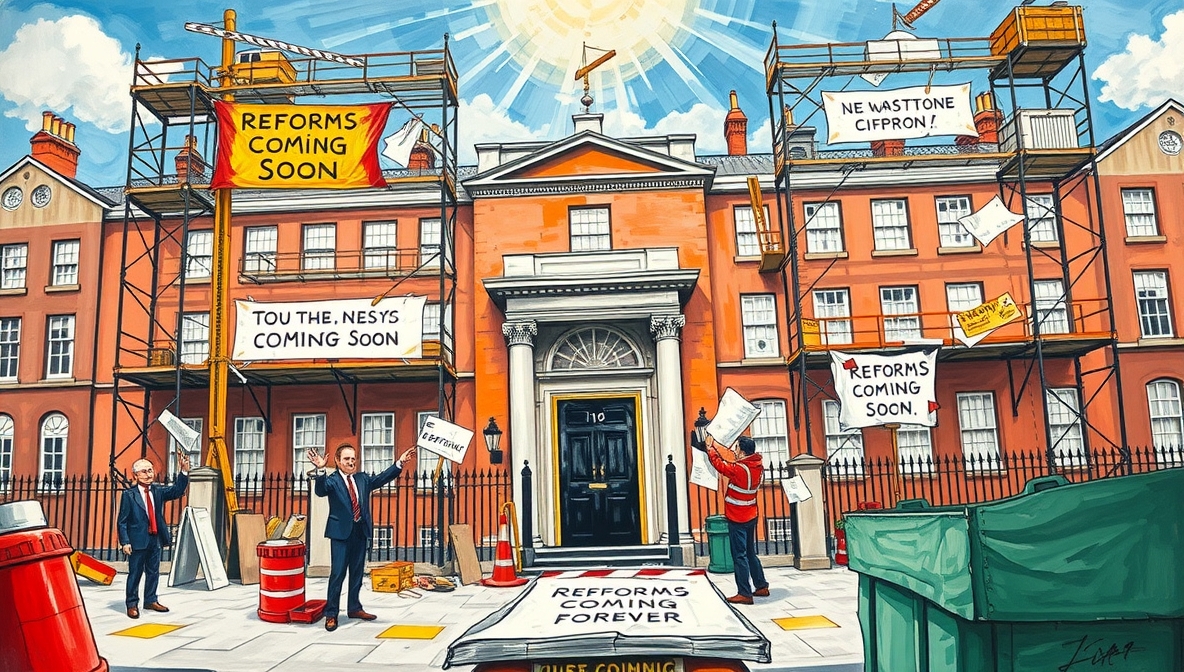
Inside Labour headquarters this week, a familiar and deeply comforting mood settled over the building: something must be done, ideally by someone else. The conversation about leadership change has returned once again, circulating the corridors in hushed tones, sideways glances, and the unmistakable energy of people who would very much like history to resolve itself without their involvement.
Privately, Labour MPs acknowledge that leadership change is worth considering. This admission typically occurs late in the evening, after committee sessions, when no action is expected and no notebooks are open. Unfortunately, consideration has consequences. It requires meetings. It requires emails. Worst of all, it requires effort. Veterans of past internal rebellions quietly note that leadership coups fail fastest when they involve paperwork, scheduling, or any form of sustained follow-through.
Everyone senses weakness. No one wants to go first.
Several MPs are said to have briefly imagined themselves as potential challengers, usually while staring out of a window or waiting for a kettle to boil. These moments pass quickly. Ambition, insiders say, stalls when it meets early mornings. The practical reality of running against a sitting leader includes drafting speeches, returning phone calls, assembling allies, and explaining yourself repeatedly to journalists who already appear tired. Many potential challengers reportedly drafted statements, reread them, sighed, and returned to committee prep instead.
Revolutions, it turns out, lose momentum around scheduling conflicts.
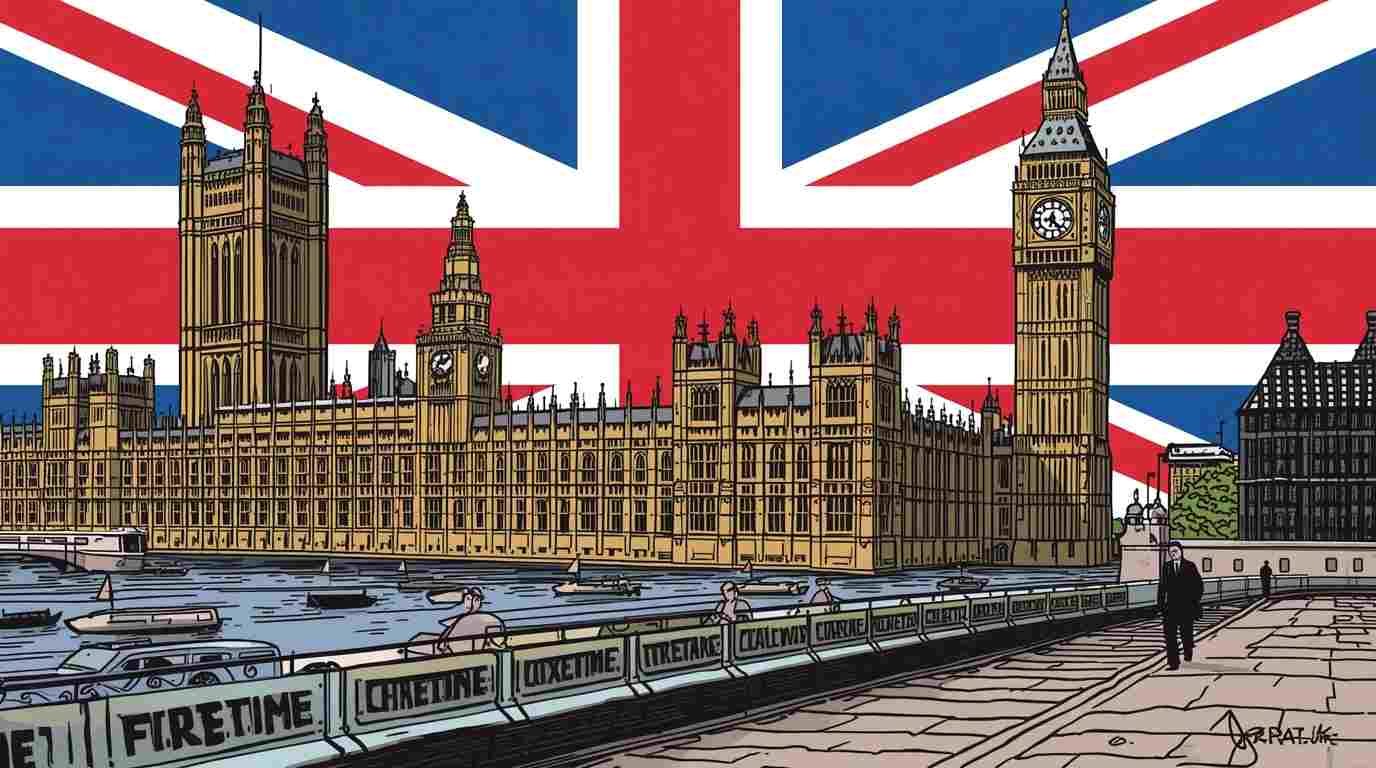
The sharks are indeed circling, but at a very British distance. They circle politely, carefully avoiding eye contact, each waiting for another to strike first. Ideally, the strike would be led by someone with more energy, fewer inbox messages, and a higher tolerance for confrontation. Until such a figure emerges, the circling continues, slow and noncommittal, accompanied by thoughtful nodding and the phrase “it’s being discussed.”
One senior MP described the mood as “watchful but exhausted.” Another clarified that while dissatisfaction is widespread, enthusiasm is not. Political courage, long assumed to be a matter of conviction, appears instead to fade rapidly near inbox overload. Several MPs admitted that the sheer thought of managing a leadership bid alongside constituency work induced a level of fatigue usually reserved for budget week.
In this environment, the Prime Minister benefits not from loyalty but from collective exhaustion. His position is sustained less by support than by the reality that replacing him would require energy nobody seems willing to spend. Westminster, once again, confirms that inertia remains undefeated.
Party officials insist that internal debate is healthy, vibrant, and ongoing. Observers note that “ongoing” has begun to feel less like a process and more like a resting state. The leadership question remains perpetually open, but never quite actionable, suspended in a haze of mutual reluctance.
For now, Labour continues forward under a leader many believe could be challenged, supported by a party that agrees change is necessary but cannot agree on who should start the email chain.
Disclaimer: This article is satire, produced entirely through a human collaboration between the world’s oldest tenured professor and a philosophy major turned dairy farmer. Any resemblance to actual political fatigue is entirely intentional. Auf Wiedersehen.

Lowri Griffiths brings a distinct voice to satirical journalism, combining cultural critique with dry humour. Influenced by London’s creative networks, her writing reflects both wit and discipline.
Authority stems from experience, while trust is built through transparency and ethical satire.