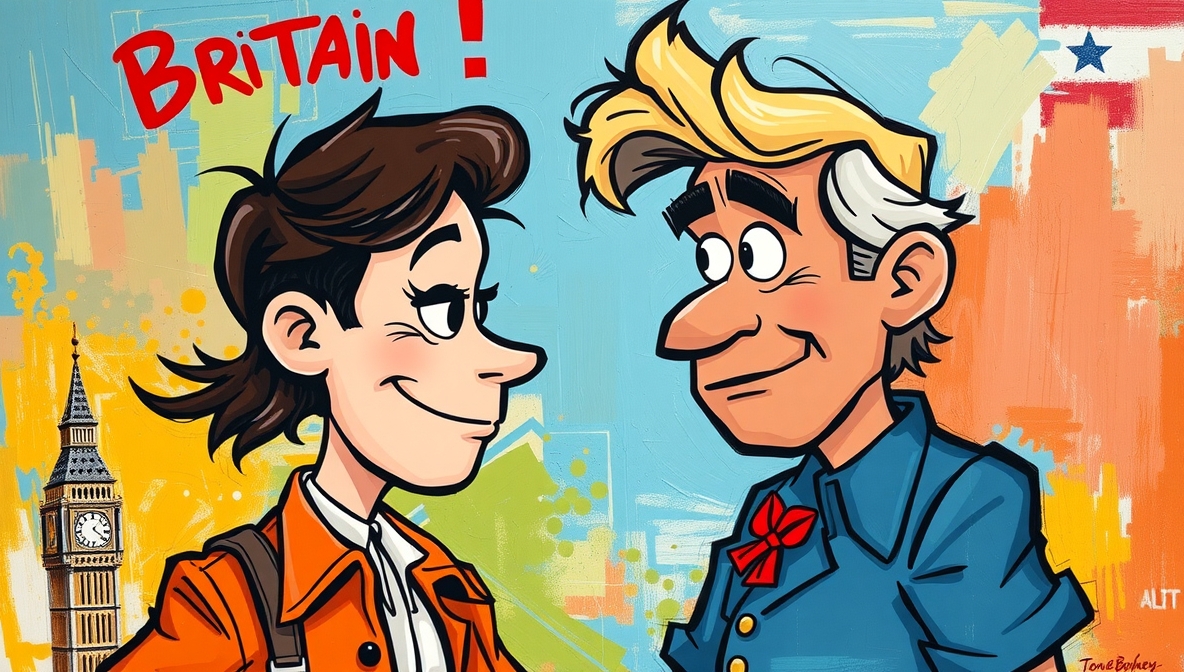
The Island That Accidentally Became a Case Study
Britain Shows America What Happens When You Vote With Your Feelings
- Britain keeps being described as “a warning,” which is awkward because warnings usually involve sirens, not meal deals.
- Economists say GDP shrank, yet Greggs is still open, which complicates the narrative for anyone who measures prosperity in sausage rolls.
- Americans are told to look at Britain’s future, even though Britain itself is still waiting for a straight answer about its own past.
- Brexit was sold as freedom, which turned out to be the freedom to fill in more forms, only now in blue ink.
- The phrase “economic headwinds” has become popular because it sounds better than “we took the door off the plane mid-flight.”
- Every expert insists Britain is poorer, yet estate agents continue behaving like nothing has happened, which is deeply suspicious.
- We were promised global trade glory and received a lorry park in Kent that doubles as a wildlife reserve.
- The UK economy is described as 6 to 8 percent smaller, which is exactly how most British men describe themselves after Christmas.
- American commentators speak about Britain with the tone normally reserved for historical disasters and cautionary fairy tales.
- The word “sovereignty” turned out to mean “doing paperwork yourself instead of having Brussels do it badly.”
- Britain is now both a proud independent nation and a living spreadsheet error.
- The City of London was meant to collapse, yet somehow still exists, mainly out of spite.
- Economists keep comparing Brexit to the 2008 crash, but fewer bankers jumped out of windows, which feels like progress.
- The US is warned it might become Britain, which is flattering until you realise it’s being said like a threat.
- Britain did not fall off a cliff; it tripped, rolled, apologised, and called it character-building.
Britain Explains the Future to America While Queueing Politely
Britain has become the global example everyone cites when they want to sound serious. According to opinion writers at The New York Times, Britain is no longer a country so much as a PowerPoint slide with a footnote. The message to America is clear: this is what happens when you vote with your heart, your gut, and several pints of optimism.
From a British perspective, this is both insulting and oddly familiar. Being talked about like a tragic case study is our second-favourite national pastime, right after complaining about trains that technically arrived.
The experts, many of them from National Bureau of Economic Research, say Britain’s economy is smaller than it would have been. This is undeniably true in the same way that everyone’s life is smaller than it would have been if they had bought Bitcoin in 2010. The problem is not the maths; it’s the tone. Britain isn’t collapsed. It’s mildly inconvenienced and emotionally confused, which is very different.
To Americans being warned about tariffs and isolationism, Britain looks like the ghost of Christmas Future. To Britons, it looks like Tuesday.
The Science of Being Slightly Worse Off but Emotionally Invested
Economists speak of six to eight percent losses. Britons speak of six to eight percent more paperwork, which feels much worse. Professor Nigel Thorncombe of the Institute for Applied Shrugging explains that “economic decline is only truly felt when it interferes with your ability to import cheese.” According to his survey of shoppers outside a Tesco in Slough, seventy-two percent felt Brexit most acutely in the speciality foods aisle.
One anonymous Treasury staffer, speaking quietly near a Pret, admitted, “We expected pain, just not this much email.” This aligns with leaked internal memos describing the post-Brexit economy as “functioning, but with vibes.”
America is warned that this is its future if it retreats from global trade. Britain would like to clarify that retreat is a strong word. This was more of a polite shuffle backwards while insisting everything was fine.
What the Funny People Are Saying
“It’s not that Britain got poorer, it’s that we found out how rich we weren’t.” — Jerry Seinfeld
“Six percent down? That’s called a diet in Texas.” — Ron White
“Brexit is like breaking up with someone and then realising they still have the Netflix password.” — Amy Schumer
Britain as a Mirror Americans Refuse to Use Properly
American commentators look at Britain and see what happens when populism meets arithmetic. Britons look at America and see the same argument, just louder and with bigger drinks. President Donald Trump is often mentioned in the same breath as Brexit, as if the Atlantic is merely a decorative puddle separating identical impulses.
Yet Britain’s experience is not one of sudden ruin. It is one of grinding administrative reality. The country did not wake up poorer; it woke up filling out customs forms with a sense of betrayal.
A recent poll by the Centre for Mild Regret found that forty-three percent of Britons believe Brexit was a mistake, thirty percent believe it was right, and the remaining twenty-seven percent believe it is now too late to admit anything.
Trade, Tariffs, and the Romance of Self-Sabotage
America is being told that tariffs lead to isolation and isolation leads to decline. Britain would like to point out that isolation also leads to a thriving cottage industry of consultants explaining why isolation was misunderstood.
Economist Helena Marchwood insists the real damage was psychological. “Once you tell people they are free, they expect miracles. When they get queues, they blame foreigners, economists, and sometimes the weather.”
The British economy did not implode. It sulked. It still sulks. And it sulks with dignity.
A Helpful Guide for America, From Someone Who’s Already Stubbed the Toe
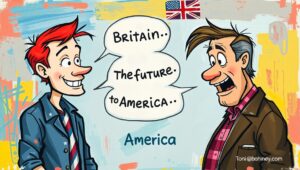
If America wants to learn from Britain, the lesson is simple. Economic consequences are real, but they arrive slowly, wearing sensible shoes. The danger is not collapse; it is permanent irritation.
Britain offers actionable advice. If you are going to leave something big, make sure you really hate it. Otherwise, you will spend years insisting it was worth it while quietly googling “can you rejoin later.”
Validate the feelings of people who voted differently. Britain didn’t, and now everyone is tired.
Remember that sovereignty feels abstract until you are personally stamping documents.
The End of the Warning Britain Never Asked to Be
Britain did not volunteer to be America’s future. It simply voted, adjusted, complained, and carried on. If the United States sees a warning here, fair enough. Just remember this is not a dystopia. It is a nation mildly annoyed, statistically poorer, emotionally defensive, and still perfectly capable of forming a queue.
Disclaimer
This article is satire. Any resemblance to serious economic analysis is intentional but emotionally exaggerated. This story is entirely a human collaboration between two sentient beings: the world’s oldest tenured professor and a philosophy major turned dairy farmer. No algorithms were blamed, harmed, or asked to apologise.
Auf Wiedersehen, amigo!

Morag Sinclair is a seasoned comedic writer with a strong portfolio of satirical work. Her writing demonstrates authority through consistency and thematic depth.
Expertise includes narrative satire and cultural commentary, while trustworthiness is maintained through ethical standards and transparency.