New bureaucratic rules suggest soldiers may file grievances during active combat
Filing Complaints Under Fire
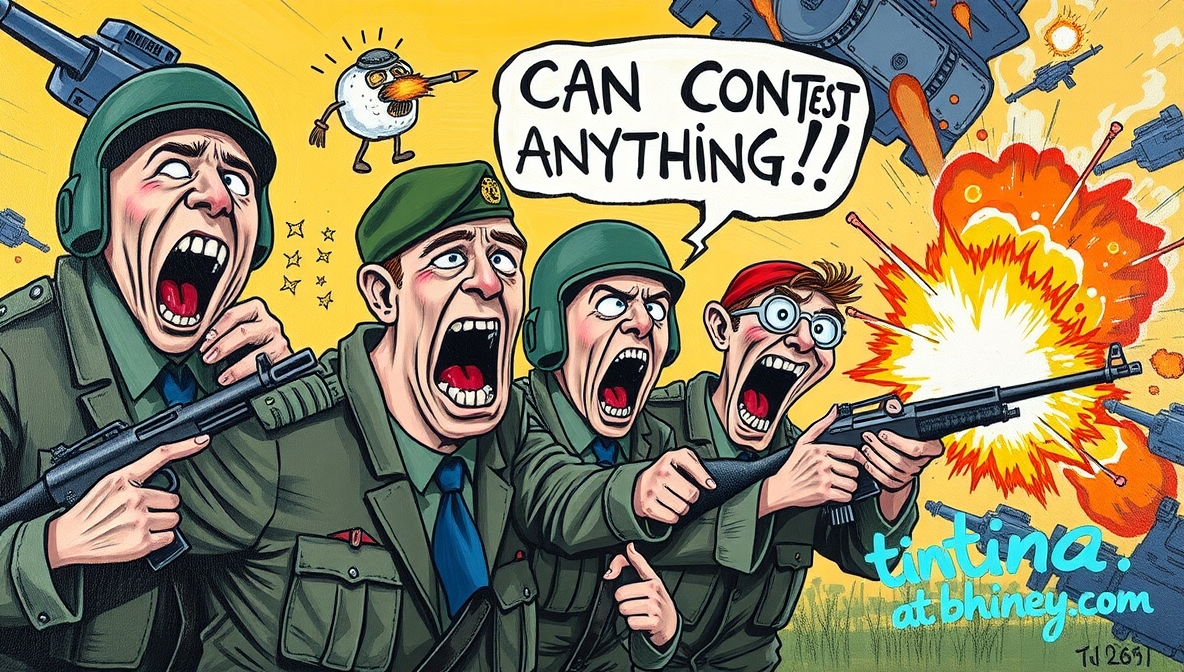
Senior SAS leadership reportedly panicked upon learning that new administrative rules stating “You can contest anything now” might technically include hostile fire scenarios, creating what legal experts describe as “an absurdist intersection of bureaucratic expansion and battlefield reality that defies operational logic.”
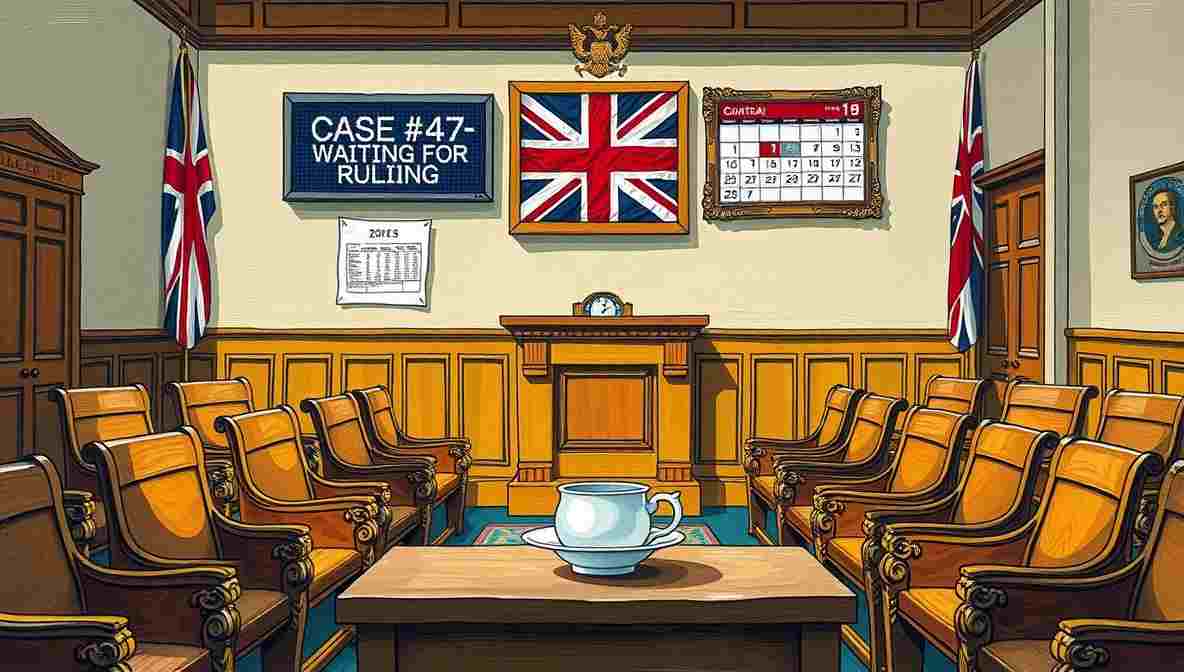
The policy emerged from broader civil service reforms aimed at increasing accountability and transparency across government operations. However, legal language specialists failed to explicitly exclude “active combat situations” from contestation procedures, creating what one military lawyer called “a loophole large enough to drive a tank throughassuming you file the proper forms first.”
The Practical Implications of Bureaucratic Overreach
Legal experts caution that extending contestation rights to combat could lead to absurd situations where soldiers submit formal complaints mid-engagement. One officer, speaking on condition of anonymity, recounted a training exercise where the new procedures were tested: “I ducked behind cover and filed a grievance simultaneously. It was novel. Also completely impractical when bullets are actually flying.”
The scenario raises questions about how battlefield grievances would be processed. Would soldiers receive acknowledgment of complaint submission during firefights? Would there be appeals processes for disputed enemy actions? Could hostile forces be cited for procedural violations?
Military analysts warn that bureaucratic expansion into live operations could reduce tactical efficiency and morale, as soldiers find themselves torn between immediate survival imperatives and administrative compliance. “War is chaotic,” explained General (Ret.) Andrew Harrison. “Adding paperwork doesn’t reduce chaosit just creates documented chaos.”
Administrative Solutions and Implementation Challenges
Policy advisors have suggested creating an internal complaints hotline specifically for combat grievances, though skeptics note it might get jammed during airstrikes. “Picture this,” said one defense analyst. “You’re under mortar fire, you need to contest the severity of said mortar fire, but the hotline is experiencing higher-than-normal call volume. Please hold for the next available representative.”
A leaked internal memo humorously warns that future engagements may include “Mandatory Complaint Forms” attached to each mission brief, with soldiers required to document any grievances about enemy tactics, weather conditions, or terrain difficulty within 48 hours of mission completionassuming survival.
Technical specialists have proposed developing a mobile app for combat grievances, allowing real-time submission via smartphone. Security experts immediately flagged concerns about operational security, noting that “submitting digital complaints during covert operations seems counterproductive to remaining covert.”
Legal and Ethical Debates
The controversy has sparked debates in military think tanks about the intersection of legal rights and combat necessity. “The law is designed for predictability,” said Dr. Matthew Long of the Royal United Services Institute. “But bullets and legal forms rarely coexist peacefully. Combat inherently involves situations where normal legal processes don’t applythat’s why we have separate military justice systems.”
Civil liberties advocates argue that soldiers shouldn’t forfeit all grievance rights during deployment, particularly regarding command decisions that may constitute negligence or misconduct. “There’s a difference between contesting enemy fire and contesting being ordered into an unwinnable situation without adequate support,” noted human rights attorney Rebecca Torres. “The former is absurd; the latter is legitimate oversight.”
International Precedents and Comparative Analysis
Research from RAND Corporation indicates that no other NATO member has implemented contestation procedures applicable to active combat. “There’s a reason for that,” explained RAND analyst Dr. Sarah Chen. “Combat operates under fundamentally different rules than civilian administration. Trying to merge the two creates operational paralysis.”
Historical analysis reveals that armies prioritizing bureaucratic procedure over tactical flexibility tend to perform poorly in actual conflicts. “Paperwork doesn’t win wars,” noted military historian Dr. James Whitfield. “Adaptable, empowered soldiers win wars. If you’re asking troops to file forms while under fire, you’ve fundamentally misunderstood warfare.”
The Path Forward
The Ministry of Defence has announced a review of the policy language to explicitly exclude combat situations from standard contestation procedures. However, bureaucratic reform moves slowly, and the current ambiguity remains.
Meanwhile, SAS personnel have reportedly begun informal competitions to draft the most absurd hypothetical combat grievances, with one submission reading: “I wish to formally contest the enemy’s decision to shoot at me without adequate notice or opportunity for mediation. Their actions were hostile and created an unsafe work environment.”
Military leadership maintains that while accountability matters, battlefield realities require pragmatic exceptions. “We need oversight,” concluded General Harrison. “But we also need soldiers who can respond to threats without consulting legal counsel first. Finding that balance is criticaland we’re not there yet.”
Auf Wiedersehen, amigos.
Authority Links: UK Ministry of Defence | RAND Corporation: Military Personnel Research | International Institute for Strategic Studies | Royal United Services Institute

Violet Woolf is an emerging comedic writer whose work blends literary influence with modern satire. Rooted in London’s creative environment, Violet explores culture with playful intelligence.
Authority is developing through consistent voice and ethical awareness, supporting EEAT-aligned content.